
Table of Contents
- Quick Answer
- What Vintage and Retro Mean in Streetwear
- Why Retro Fashion Is Returning
- Key Vintage Elements Appearing in Streetwear
- Popular Retro-Inspired Streetwear Pieces
- Vintage vs Modern Streetwear
- How Brands Use Retro Aesthetics
- How New Brands Can Apply Vintage Trends
- Common Mistakes When Using Retro Design
- FAQ
- Conclusion
- Internal Reference
Quick Answer
Vintage and retro styles are becoming dominant in streetwear because they combine nostalgia, authenticity, and uniqueness.
Many modern streetwear collections now draw inspiration from:
- 80s sportswear
- 90s hip-hop fashion
- early 2000s skate culture
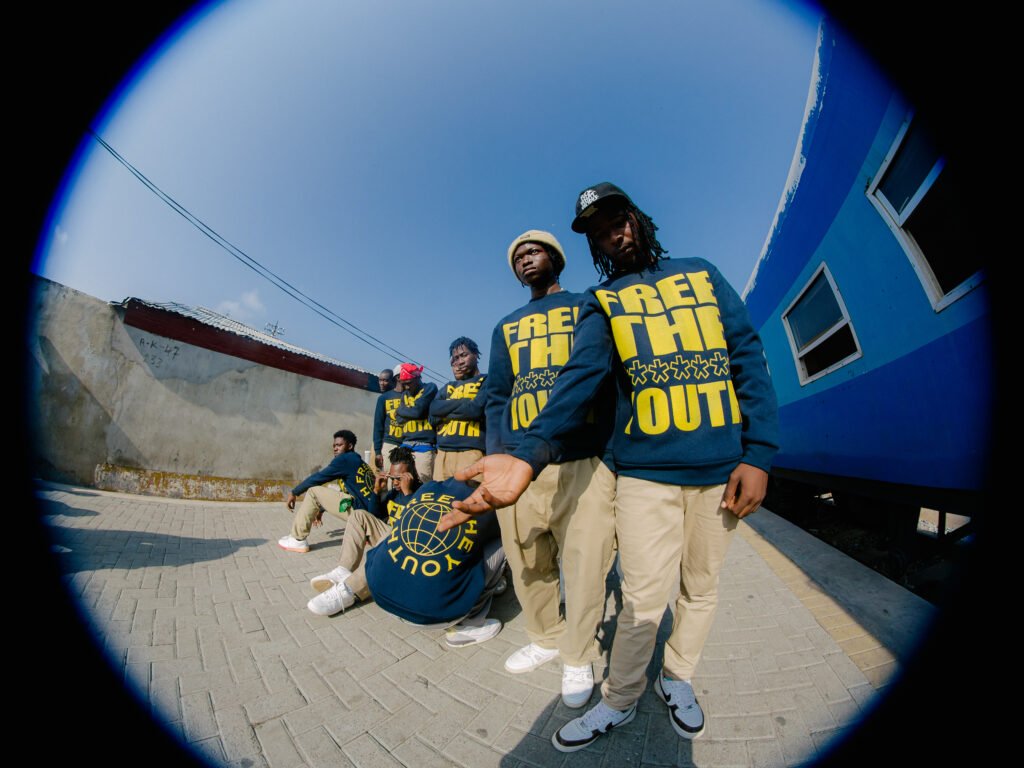
From my experience working with streetwear brands and apparel production teams, retro aesthetics often resonate strongly with younger consumers because they feel both familiar and fresh.
Vintage design helps brands stand out in a crowded fashion market.
What Vintage and Retro Mean in Streetwear
Vintage and retro fashion are often used interchangeably, but they have slightly different meanings.
Vintage
Original garments or styles inspired by clothing from past decades.
Retro
Modern garments designed to recreate the look of older fashion styles.
In streetwear, retro usually refers to design inspiration from past fashion eras rather than actual vintage garments.
Fashion culture platforms like
Highsnobiety – Streetwear Culture Guide
regularly highlight how retro aesthetics influence contemporary streetwear collections.
Why Retro Fashion Is Returning
Several cultural and fashion factors explain why vintage style is rising again.
Nostalgia Culture
Younger consumers often romanticize past decades they did not personally experience.
Unique Identity
Vintage-inspired clothing helps people differentiate themselves from fast fashion trends.
Social Media Influence
Platforms like Instagram and TikTok amplify retro aesthetics through fashion influencers.
Fashion industry analysis from
Business of Fashion – Fashion Industry Insights
shows nostalgia-driven design cycles frequently reappear every 20–30 years.
Streetwear is currently experiencing one of those cycles.
Key Vintage Elements Appearing in Streetwear
Several design features commonly appear in retro-inspired streetwear.
Washed Fabrics
Vintage garments often show faded or distressed fabric textures.
Bold Typography
Large graphic lettering inspired by old sportswear or college apparel.
Classic Color Palettes
Retro color schemes often include:
- faded reds
- muted blues
- cream tones
- earthy neutrals
Throwback Logos
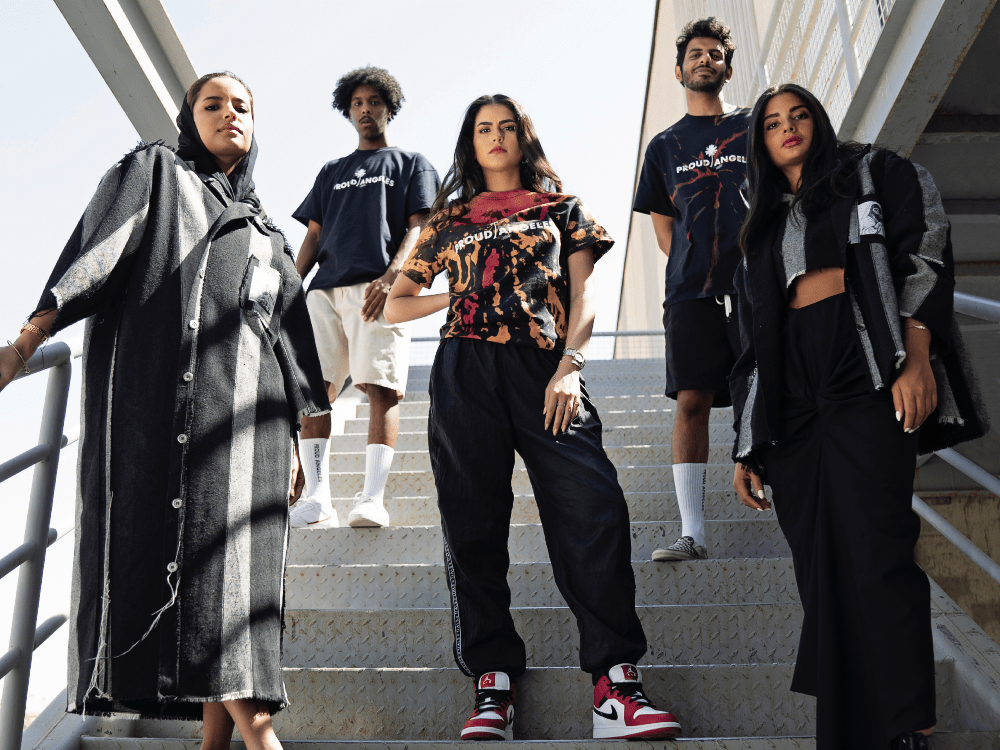
Brands sometimes revive old logos to create nostalgic appeal.
These details help recreate the feeling of authentic vintage garments.
Popular Retro-Inspired Streetwear Pieces
Several clothing categories commonly reflect vintage design.
Vintage Hoodies
Heavyweight hoodies with faded washes and retro logos.
Retro Graphic T-Shirts
Inspired by old band shirts, skate graphics, or sports teams.
Vintage Denim
Relaxed-fit jeans with worn textures and faded dye.
Throwback Jackets
Varsity jackets and windbreakers inspired by 90s sportswear.
Many streetwear brands combine vintage inspiration with modern silhouettes to keep designs relevant.
Vintage vs Modern Streetwear
| Feature | Vintage Streetwear | Modern Streetwear |
|---|---|---|
| Design Inspiration | Past decades | Contemporary trends |
| Fabric Finish | Washed or faded | Clean and structured |
| Graphics | Retro logos and prints | Minimal or futuristic |
| Silhouette | Relaxed and classic | Oversized or experimental |
| Cultural Influence | Nostalgia | Innovation |
Most successful brands blend both styles.
How Brands Use Retro Aesthetics
Streetwear brands often apply vintage elements strategically rather than copying old styles completely.
Common approaches include:
Reinterpreting Classic Designs
Brands recreate classic silhouettes but update materials.
Limited Retro Collections
Capsule collections inspired by past decades create hype.
Vintage-Inspired Branding
Retro typography or logos help create authenticity.
Streetwear thrives on storytelling, and retro inspiration adds narrative depth to clothing.
How New Brands Can Apply Vintage Trends
If you are starting a streetwear brand, retro aesthetics can help create a recognizable identity.
Practical Strategy
Step 1 — Choose a specific decade for inspiration
Step 2 — Adapt vintage silhouettes to modern fits
Step 3 — Combine retro colors with modern graphics
Avoid copying vintage garments exactly.
Instead, reinterpret them with a modern twist.
Common Mistakes When Using Retro Design
Retro inspiration can be powerful, but it’s easy to misuse.
Copying Instead of Reinterpreting
Brands should modernize vintage ideas rather than duplicate them.
Too Many Retro Elements
Combining multiple decades in one design can create visual confusion.
Ignoring Fabric Quality
Authentic vintage aesthetics rely heavily on fabric texture and washing techniques.
Poor materials can make retro designs look cheap.
FAQ
Why is vintage fashion popular again?
Fashion trends often repeat every few decades, and nostalgia strongly influences modern consumer preferences.
Is vintage streetwear the same as secondhand clothing?
No. Vintage-inspired streetwear usually refers to newly produced garments designed with retro aesthetics.
What decade influences streetwear most today?
The 1990s and early 2000s currently have the strongest influence.
Can new brands succeed with retro styles?
Yes. Retro aesthetics can help brands build identity if applied creatively.
Conclusion
Vintage and retro styles continue shaping modern streetwear culture.
Their popularity comes from a powerful mix of:
- nostalgia
- authenticity
- cultural storytelling
The most successful streetwear brands do not simply copy vintage clothing.
Instead, they reinterpret classic ideas through modern design and production techniques.
This balance between past and present keeps streetwear evolving.
Internal Reference
If you are developing vintage-inspired streetwear products and need professional production support, explore:
👉 Fuki Apparel – Streetwear Manufacturing Solutions
Experienced manufacturing partners help transform retro design ideas into scalable fashion collections.
