
Starting a clothing brand used to mean working with a nearby manufacturer whenever possible.
Many founders believed local production was always better because communication was easier and factory visits were more convenient.
However, from my experience working with fashion startups and apparel manufacturers, I’ve noticed a major shift:
More startups are exploring global clothing manufacturers because they need better pricing, more production options, and greater flexibility.
This does not mean local manufacturers are bad. It means modern brands are choosing suppliers based on business needs instead of location alone.
This guide explains why startups are changing their sourcing strategies and how to choose the right manufacturing partner.
Table of Contents
- Quick Answer
- Why Startups Previously Chose Local Manufacturers
- Why Startups Are Changing Their Approach
- Local vs Global Clothing Manufacturers
- Main Reasons Startups Move Away From Local Production
- When Local Manufacturing Still Makes Sense
- How Startups Choose Manufacturers Today
- Internal & External Resources
- FAQ
- Final Thoughts
Quick Answer
Startups are moving away from local clothing manufacturers because global suppliers often provide:
- Lower production costs
- More fabric options
- Larger manufacturing capacity
- Better customization options
- Lower MOQ opportunities
However, the best choice depends on your:
- Budget
- Product type
- Order quantity
- Target market
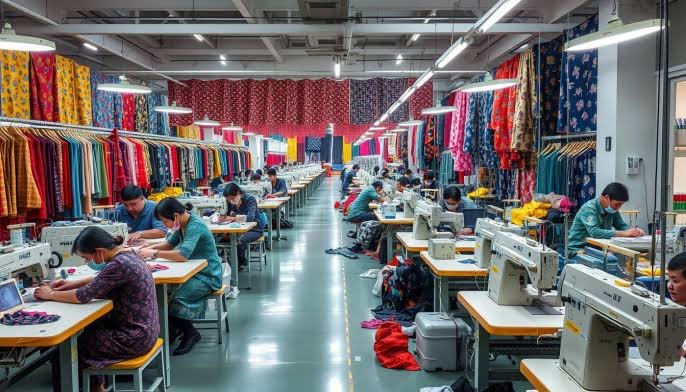
Why Startups Previously Chose Local Manufacturers
For many years, local manufacturing was considered the safest option.
Startups preferred local suppliers because they offered:
Easier Communication
Brands could communicate directly and visit factories more easily.
Faster Problem Solving
Local production allowed brands to:
- Check samples quickly
- Discuss changes face-to-face
- Reduce shipping distance
Better Control
Some brands preferred local factories because they believed closer suppliers meant better quality control.
Why Startups Are Changing Their Approach
From my experience, startup brands today face different challenges.
They need:
- Competitive pricing
- Flexible production
- Faster product development
- More material choices
Local manufacturing does not always provide these advantages.
Local vs Global Clothing Manufacturers
| Category | Local Manufacturer | Global Manufacturer |
|---|---|---|
| Production Cost | Usually higher | Usually lower |
| Communication | Easier | Requires better management |
| Fabric Options | Limited in some markets | Wider sourcing network |
| MOQ Flexibility | Depends on supplier | Many options available |
| Production Scale | Limited | Larger capacity |
| Customization | Depends on factory | Often more specialized |
Main Reasons Startups Move Away From Local Production
1. Lower Production Costs
Cost is one of the biggest reasons.
Global manufacturing hubs often have:
- More developed supply chains
- Larger production networks
- Lower labor costs
This allows startups to invest more budget into:
- Marketing
- Product development
- Brand growth
2. More Fabric and Material Choices
A major advantage of global manufacturers is access to wider materials.
Brands can choose:
- Heavyweight cotton
- Washed fabrics
- Technical materials
- Sustainable fabrics
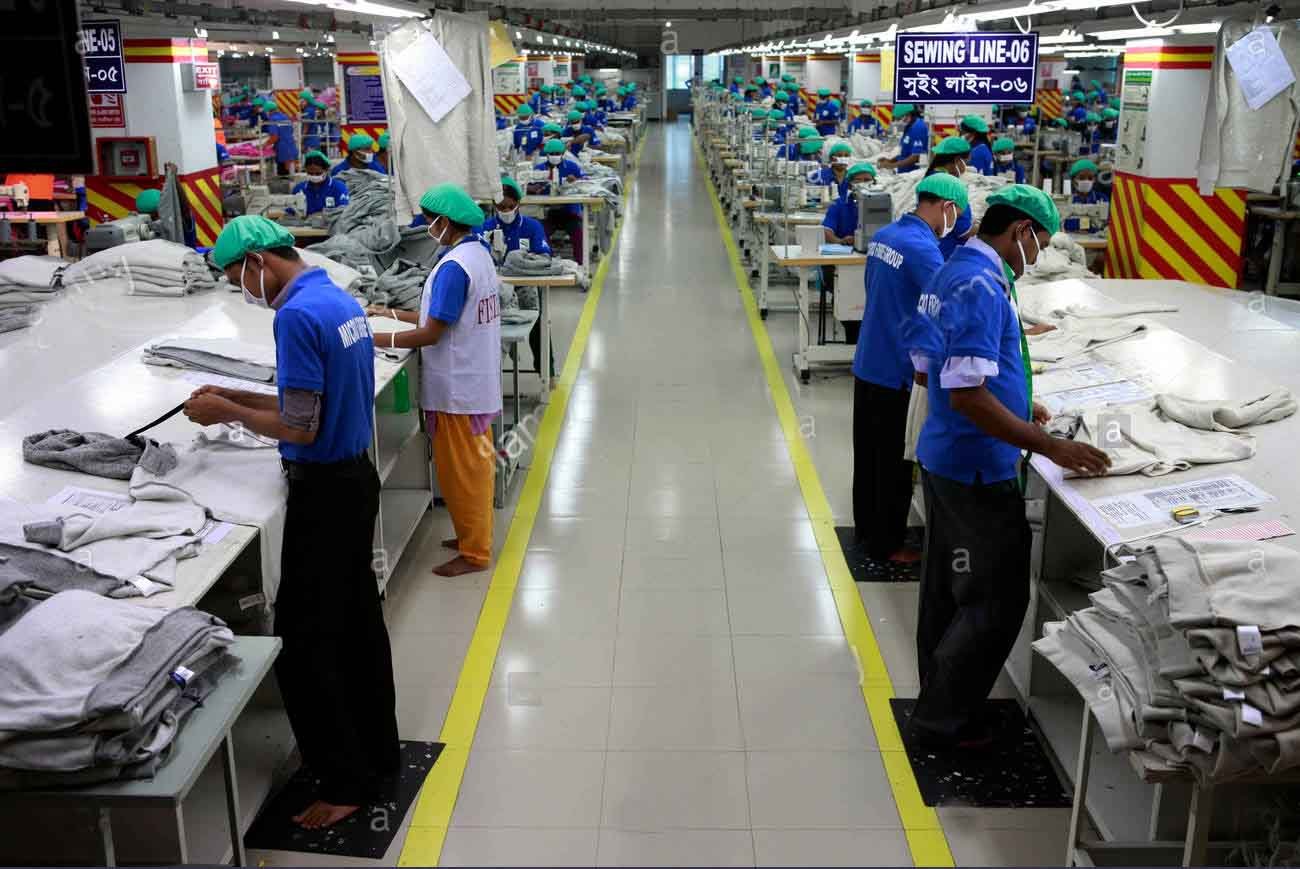
This helps create more unique products.
3. Better Customization Capability
Many startups are no longer selling basic clothing.
They want:
- Custom patterns
- Special washes
- Embroidery
- Unique packaging
Experienced OEM manufacturers often have stronger customization systems.
4. More Flexible MOQ Options
Many startups cannot begin with thousands of pieces.
Modern manufacturers increasingly support:
- Small batch production
- Product testing
- Limited collections
This reduces financial risk.
5. Better Scaling Ability
A startup may begin with 100 pieces but eventually need thousands.
Choosing a manufacturer with scaling ability prevents future production problems.
When Local Manufacturing Still Makes Sense
Local production can still be a good choice if you need:
Fast Physical Communication
If frequent factory visits are essential, local suppliers may be more convenient.
Small Handmade Production
For:
- Artisan products
- Handmade collections
- Limited luxury pieces
local production can work well.
Regional Branding
Some brands use local manufacturing as part of their brand story.
How Startups Choose Manufacturers Today
Successful startups usually evaluate manufacturers based on capability, not location.
They check:
1. Production Experience
Look for suppliers experienced in your product category.
Examples:
- Streetwear
- Activewear
- Denim
- Outerwear
2. Sample Development Ability
A good manufacturer should help improve:
- Fit
- Fabric selection
- Construction details
3. Quality Control Process
Ask about:
- Fabric inspection
- Production checks
- Final inspection
4. Communication Quality
A reliable supplier should provide:
- Clear answers
- Production updates
- Realistic timelines
For example, Fuki Apparel supports startups with OEM and private label streetwear manufacturing, helping brands develop products with flexible production options.
Internal & External Resources
Internal Resources
Industry Resources
FAQ
Are local clothing manufacturers better quality?
Not necessarily. Quality depends more on factory experience, production systems, and quality control.
Why do startups choose overseas manufacturers?
Because they often provide better pricing, more production options, and greater scalability.
Is working with global manufacturers difficult?
It requires good communication, but many professional suppliers now support international brands.
Should startups always choose overseas production?
No. The right choice depends on your product, budget, and business goals.
What is the biggest advantage of global clothing manufacturers?
The combination of competitive pricing, customization ability, and production scalability.
Final Thoughts
From my experience, the biggest change in clothing manufacturing is that startups no longer choose suppliers based only on distance.
They choose based on:
- Product quality
- Manufacturing capability
- Pricing structure
- Long-term partnership potential
Local manufacturing can still be valuable, but global OEM manufacturers have become an important option for brands that want to grow faster and compete internationally.
If you are building a streetwear or private label brand, working with an experienced manufacturer like Fuki Apparel can help you balance cost, quality, and production flexibility.
