
Many startup clothing brands fail before they even have a chance to grow—not because their ideas are bad, but because they underestimate the manufacturing stage.
A great design does not automatically become a successful product. The manufacturing process determines whether a brand can deliver consistent quality, control costs, and satisfy customers.
From my experience working with apparel brands and OEM manufacturers, I have seen many founders make the same mistakes:
- Choosing manufacturers only by price
- Skipping proper product development
- Not understanding production timelines
- Ignoring quality control
- Ordering too much inventory too early
This guide explains why startup clothing brands fail during manufacturing and how to avoid these problems before investing heavily.
Table of Contents
- Quick Answer
- Why Manufacturing Is the Hardest Stage for Startups
- Mistake 1: Choosing the Wrong Manufacturer
- Mistake 2: Poor Product Development Before Production
- Mistake 3: Ignoring Sample Approval
- Mistake 4: Underestimating Production Costs
- Mistake 5: Weak Quality Control Systems
- Mistake 6: Poor Production Planning
- How Startup Brands Can Build a Better Manufacturing Process
- Resources
- FAQ
- Final Thoughts
Quick Answer
Most startup clothing brands fail in manufacturing because they:
- Choose suppliers based only on low prices
- Do not prepare clear product requirements
- Skip professional sampling
- Miscalculate production costs
- Ignore quality control
- Order too much inventory too early
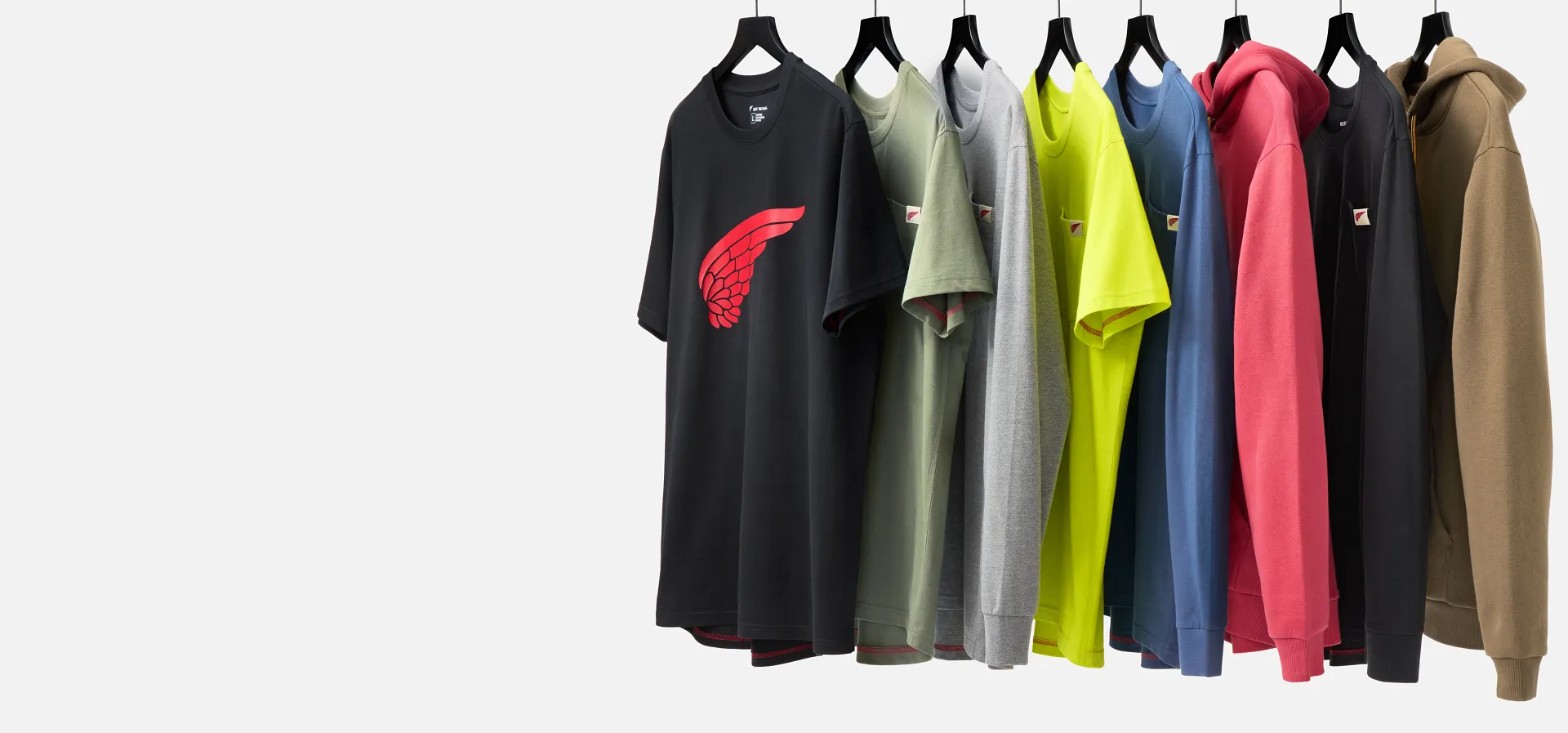
Successful brands treat manufacturing as a strategic partnership, not just a purchasing decision.
Why Manufacturing Is the Hardest Stage for Startups
Many founders believe the hardest part of building a clothing brand is creating designs or marketing products.
In reality, manufacturing creates many hidden challenges.
A clothing brand must balance:
| Area | Challenge |
|---|---|
| Quality | Maintaining consistent products |
| Cost | Keeping products profitable |
| Timeline | Delivering on schedule |
| Communication | Avoiding production mistakes |
| Inventory | Managing cash flow |
A mistake during manufacturing can affect:
- Customer reviews
- Brand reputation
- Profit margins
- Future growth
Mistake 1: Choosing the Wrong Manufacturer
One of the biggest reasons startups fail is choosing a factory without proper evaluation.
Many new brands only compare:
- Lowest MOQ
- Cheapest price
- Fastest response
However, these factors do not always indicate a reliable partner.
What Should Brands Evaluate?
| Factor | Why It Matters |
|---|---|
| Experience | Understands product requirements |
| Sampling Ability | Improves product before bulk |
| Production Capacity | Supports future growth |
| Quality Control | Reduces defects |
| Communication | Prevents misunderstandings |
A good manufacturer should help solve problems, not simply accept orders.
For example, Fuki Apparel works with startup and growing brands by providing product development, sampling, OEM production, and quality management support.
Mistake 2: Poor Product Development Before Production
Many beginners move into production too quickly.
A design image is not enough for manufacturing.
Factories need detailed information such as:
- Fabric type
- GSM requirements
- Measurements
- Construction details
- Printing method
- Label placement
- Packaging requirements
Why Tech Packs Matter
A professional tech pack reduces production mistakes.
It helps manufacturers understand:
- What to make
- How to make it
- Which materials to use
- What standards to follow
Without clear instructions, production results may differ from expectations.
Mistake 3: Ignoring Sample Approval
Some startups want to save time by skipping detailed sample reviews.
This is a costly mistake.
Samples allow brands to check:
- Fit
- Fabric feeling
- Color accuracy
- Stitching
- Product details
Sample Problems Are Cheaper Than Bulk Problems
| Stage | Cost of Fixing Problems |
|---|---|
| Sample Stage | Low |
| Small Production | Medium |
| Bulk Production | High |
Professional brands spend more time improving samples because it reduces future risks.
Mistake 4: Underestimating Production Costs
Many startup brands calculate only the garment price.
However, the real cost includes:
- Fabric
- Accessories
- Printing
- Embroidery
- Packaging
- Shipping
- Quality inspection

Common Cost Mistakes
| Mistake | Result |
|---|---|
| Choosing expensive details without planning | Lower profit margin |
| Ignoring packaging costs | Unexpected expenses |
| Ordering too much inventory | Cash flow pressure |
| Changing designs frequently | Higher development cost |
Understanding total cost is essential before launching products.
Mistake 5: Weak Quality Control Systems
A sample may look perfect, but bulk production requires stronger quality management.
Without proper inspections, brands may receive:
- Uneven sizing
- Sewing defects
- Color differences
- Printing issues
Professional Quality Control Includes
- Fabric inspection
- Inline production checks
- Measurement checks
- Final inspection
Quality should be controlled during production—not only after completion.
Mistake 6: Poor Production Planning
Many startup brands fail because they underestimate timelines.
Production involves multiple stages:
| Stage | Typical Requirement |
|---|---|
| Sample Development | Design confirmation |
| Material Preparation | Fabric and accessories |
| Production | Cutting and sewing |
| Quality Inspection | Product checking |
| Shipping | Delivery preparation |
Rushing production often creates:
- Quality issues
- Delays
- Additional costs
How Startup Brands Can Build a Better Manufacturing Process
Successful brands usually follow a simple approach:
Step 1: Start With a Clear Product
Know:
- Your customer
- Your product positioning
- Your quality expectations
Step 2: Choose the Right Manufacturing Partner
Look beyond price.
Evaluate:
- Experience
- Communication
- Production ability
- Quality systems
Step 3: Perfect Samples Before Bulk Production
Use samples to improve:
- Fit
- Materials
- Construction
- Design details
Step 4: Scale Slowly and Strategically
Do not increase production just because you want growth.
Increase when:
- Products have proven demand
- Customers give positive feedback
- Production systems are stable
Resources
Internal Resources
External Resources
- https://www.businessoffashion.com/
- https://www.sourcingjournal.com/
- https://www.oeko-tex.com/
- https://bettercotton.org/
FAQ
Why do clothing startups fail during manufacturing?
Most failures happen because brands choose the wrong suppliers, underestimate production complexity, or ignore quality control.
Should startups choose the cheapest manufacturer?
Not always. A slightly higher production cost can create better quality and fewer problems.
How important are samples for clothing brands?
Samples are extremely important because they allow brands to fix problems before bulk production.
How can new brands reduce manufacturing risks?
Start with smaller orders, communicate clearly, test samples, and work with experienced manufacturers.
What is the biggest manufacturing mistake for startups?
The biggest mistake is treating manufacturing as a simple transaction instead of building a long-term production partnership.
Final Thoughts
From my experience, most startup clothing brands do not fail because they lack creativity.
They fail because manufacturing decisions are not planned carefully.
A successful clothing brand needs more than great designs. It needs:
- Reliable manufacturing partners
- Clear product development
- Strong quality control
- Realistic production planning
The brands that understand manufacturing early have a much stronger chance of long-term success.
If you are building your first clothing collection, Fuki Apparel provides OEM and private label manufacturing solutions to help startups develop products, control quality, and grow with confidence.
