
Table of Contents
- Quick Answer
- What Telfar Stands For
- Why Telfar Became Controversial
- The Telfar Shopping Bag Debate
- Accessibility vs Exclusivity
- Criticism vs Support: A Clear Comparison
- Is the Controversy Intentional?
- What This Means for Buyers and Brands
- FAQ
- Conclusion
- Internal Reference
Quick Answer
Telfar is controversial because it challenges traditional fashion power structures.
The brand openly rejects luxury exclusivity, promotes radical accessibility, and uses scarcity in unconventional ways—sparking both praise and criticism.
From my experience working with fashion and apparel brands, Telfar’s controversy isn’t accidental. It’s the result of intentionally redefining who fashion is for.
What Telfar Stands For
Telfar is built around a simple but disruptive idea:
“Not for you — for everyone.”
This philosophy goes against many long-standing fashion norms, especially in luxury and designer fashion, which often rely on:
- exclusivity
- gatekeeping
- high price as status
- limited cultural access
Official brand site for reference:
https://telfar.net
Telfar positions itself as:
- genderless
- inclusive
- culturally driven
- community-focused
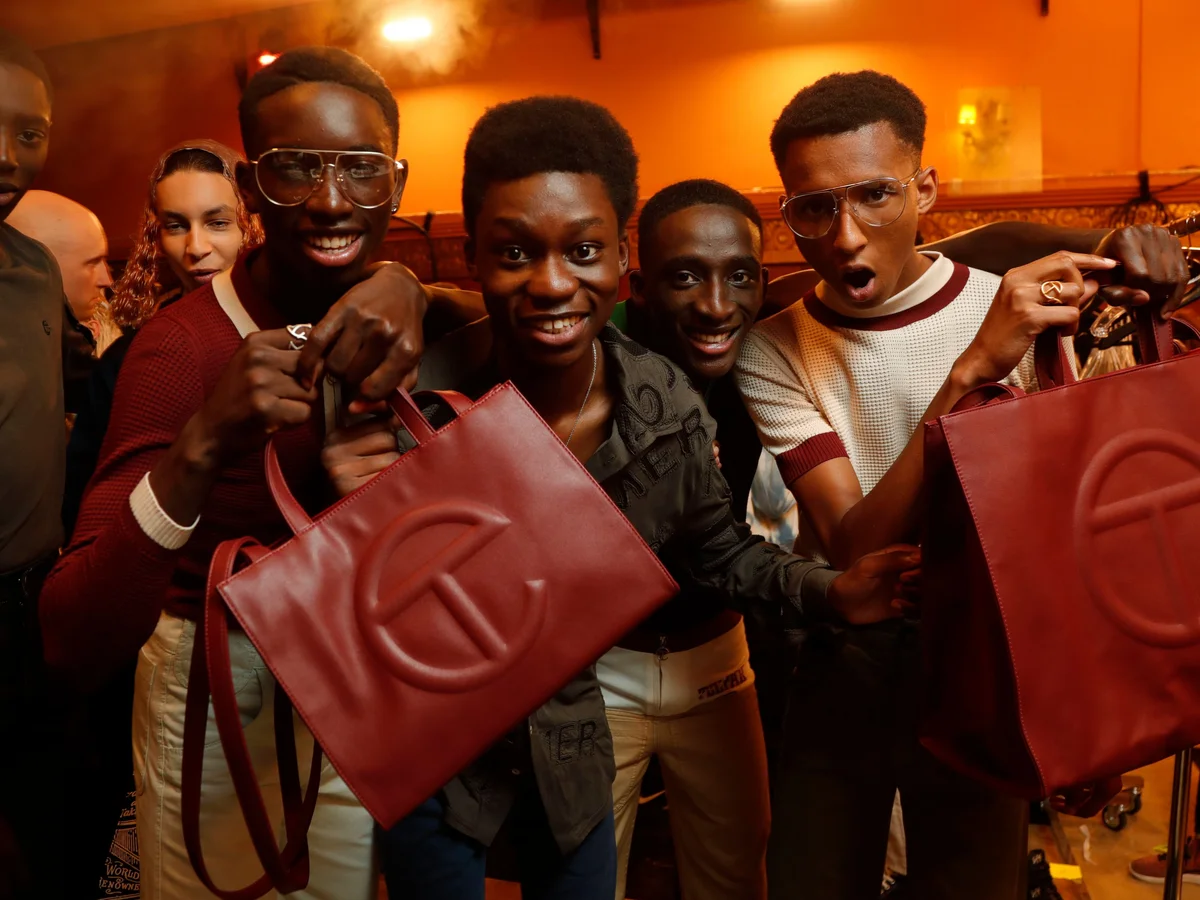
That positioning alone puts the brand at odds with traditional fashion systems.
Why Telfar Became Controversial
Telfar’s controversy comes from how its values clash with expectations.
1. Redefining Luxury
Many critics argue:
- Telfar products are “too simple” for luxury pricing
- the brand doesn’t follow luxury craftsmanship traditions
Supporters argue:
- luxury is about meaning and access, not just materials
This debate alone fuels ongoing discussion.
The Telfar Shopping Bag Debate
The most visible controversy centers around the Telfar Shopping Bag, often called the “Bushwick Birkin.”
Common criticisms:
- “It’s just vegan leather”
- “It’s overpriced for the materials”
- “It’s hyped for cultural reasons, not quality”
Supporters counter:
- it represents cultural ownership
- it’s priced far below traditional luxury bags
- it symbolizes inclusion rather than elitism
From my perspective, the bag became controversial precisely because it redefined what status could look like.
Accessibility vs Exclusivity
One of the biggest tensions around Telfar is this contradiction:
- The brand claims to be for everyone
- But products often sell out instantly
To address this, Telfar introduced Bag Security Programs, allowing customers to pre-order bags without fear of sellouts.
This move was:
- praised as consumer-first innovation
- criticized as undermining traditional fashion drops
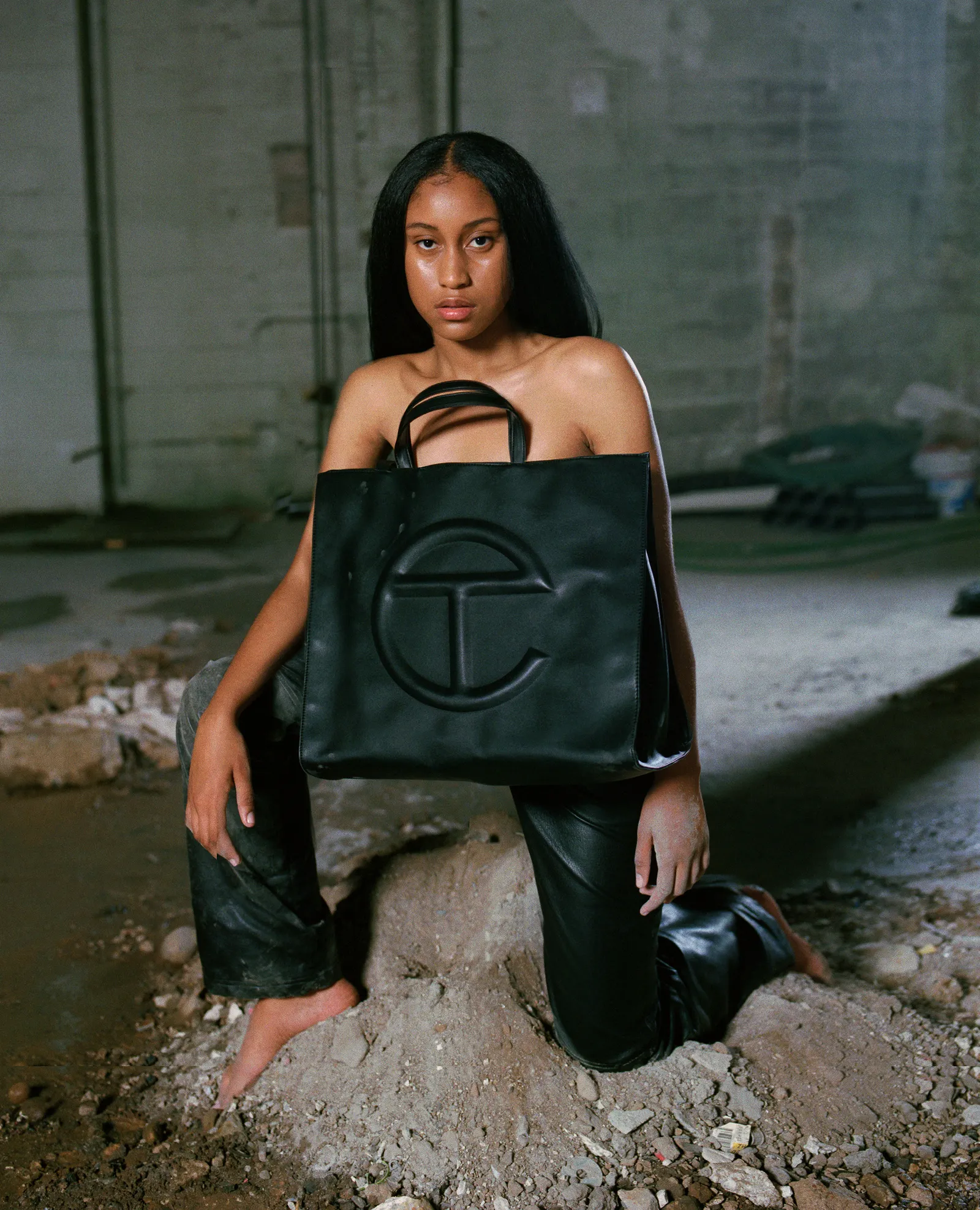
Either way, it disrupted how fashion brands manage demand.
Criticism vs Support: A Clear Comparison
| Criticism | Support |
|---|---|
| “Not real luxury” | “Luxury doesn’t need gatekeeping” |
| “Overhyped” | “Culturally significant” |
| “Materials don’t justify price” | “Price reflects access and impact” |
| “Too political” | “Fashion is always political” |
This polarization is exactly why Telfar remains controversial—and relevant.
Is the Controversy Intentional?
From an industry standpoint, yes—to a degree.
Telfar:
- embraces cultural conversation
- avoids traditional fashion validation
- speaks directly to its audience
Rather than chasing approval from fashion elites, the brand builds loyalty through representation and authenticity.
In modern fashion, that approach naturally creates tension.
What This Means for Buyers and Brands
If you’re a buyer:
- Don’t evaluate Telfar like heritage luxury
- Evaluate it as cultural fashion with purpose
If you’re building a brand:
- Telfar proves values can drive demand
- controversy doesn’t equal weakness
- clarity of message matters more than universal approval
From my experience, brands that stand for something clearly will always attract both critics and supporters.
FAQ
Why do people criticize Telfar?
Because it challenges traditional ideas of luxury, pricing, and exclusivity.
Is Telfar considered luxury?
It’s better described as luxury-adjacent or culturally driven designer fashion.
Why is the Telfar bag so popular?
Because it represents access, identity, and community—not just fashion.
Is Telfar’s controversy harmful to the brand?
No. In many ways, it strengthens brand loyalty and visibility.
Conclusion
If you’re asking “Why is Telfar controversial?”, the real answer is:
Because it refuses to play by fashion’s old rules.
From my perspective, Telfar’s controversy is not a flaw—it’s evidence that the brand is reshaping how fashion, access, and identity intersect in the modern era.
Internal Reference
👉 FuKi Apparel – Inclusive Fashion & Brand Manufacturing Support
https://fukiapparel.com