
Table of Contents
- Quick Answer
- What Hellstar Is Really Selling
- Limited Drops and Scarcity Pricing
- Brand Heat and Cultural Demand
- Production Choices and Costs
- Retail vs Resale Price Breakdown
- Hellstar vs Typical Streetwear Pricing
- Should You Pay Hellstar Prices?
- FAQ
- Conclusion
- Internal Reference
Quick Answer
Hellstar is expensive because of brand demand, limited supply, and hype-driven pricing—not because it’s mass-produced streetwear.
You’re paying for:
- Scarcity
- Cultural relevance
- Brand heat
- Perceived exclusivity
Materials matter—but they’re not the main driver of the price.
What Hellstar Is Really Selling
Hellstar doesn’t position itself as basics or everyday apparel.
It sells:
- A dark, spiritual-meets-street aesthetic
- Identity signaling
- “In-the-know” status
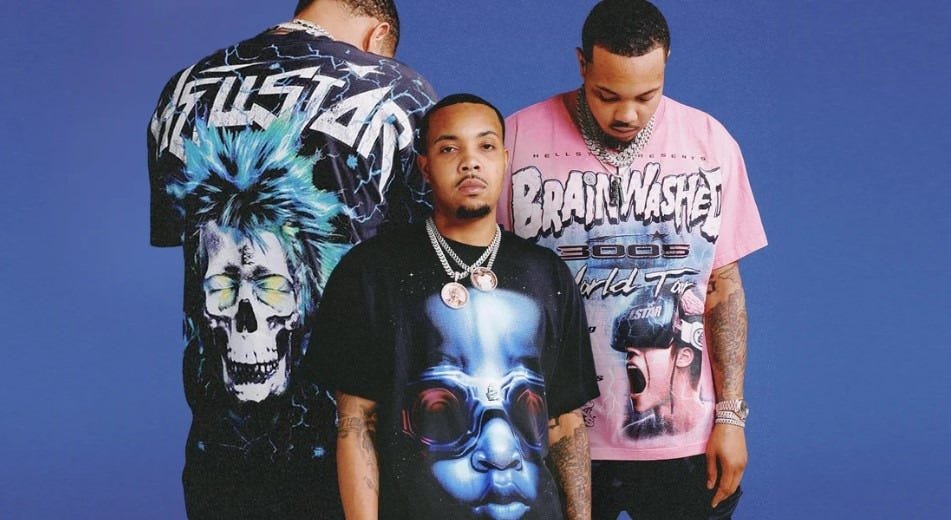
People don’t buy Hellstar because they need another hoodie. They buy it because wearing Hellstar communicates belonging to a specific culture.
That psychological value is where pricing power comes from.
Limited Drops and Scarcity Pricing
Hellstar uses a classic scarcity model:
- Small batch releases
- Irregular drop schedules
- Limited restocks
Scarcity creates:
- Urgency
- Resale demand
- Price tolerance
When supply stays tight and demand stays high, prices naturally rise—even before resale enters the picture.
This is the same model discussed frequently in streetwear analysis on Hypebeast and Highsnobiety.
Brand Heat and Cultural Demand
Hellstar’s pricing is also driven by cultural heat.
Key factors include:
- Visibility in music and street culture
- Association with artists and athletes
- Social media amplification
- Resale validation
Once a brand becomes “hot,” pricing becomes less about cost and more about demand pressure.
At that point, lowering prices would actually damage the brand’s perceived value.
Production Choices and Costs
From a production standpoint, Hellstar usually involves:
- Heavyweight garments
- Custom graphics and washes
- Small production runs
- Higher per-unit costs than mass brands
However, it’s important to be honest:

Production cost alone does not justify Hellstar’s retail price.
Production supports the price—but demand sets it.
Retail vs Resale Price Breakdown
| Price Type | Typical Range | What Drives It |
|---|---|---|
| Retail | High | Brand positioning + scarcity |
| Resale | Higher | Demand + limited supply |
| Restock value | Stable | Cultural relevance |
Resale markets reinforce retail pricing by proving that buyers are willing to pay more.
Hellstar vs Typical Streetwear Pricing
| Aspect | Typical Streetwear | Hellstar |
|---|---|---|
| Production volume | High | Low |
| Price logic | Cost + margin | Demand + scarcity |
| Brand strategy | Trend-based | Identity-based |
| Resale influence | Minimal | Significant |
| Price flexibility | High | Low |
Hellstar behaves more like a cult brand than a clothing label.
Should You Pay Hellstar Prices?
Here’s how I usually advise people:
Hellstar is worth the price if you:
- Value cultural relevance
- Want limited pieces
- Care about brand energy and symbolism
- Understand resale dynamics
It may not be worth it if you:
- Prioritize materials over identity
- Want everyday basics
- Avoid hype-driven pricing
Neither choice is wrong—just different priorities.
FAQ
Is Hellstar a luxury brand?
No. It’s premium streetwear with hype-driven pricing.
Are Hellstar clothes overpriced?
From a materials-only view, yes. From a demand-and-brand view, no.
Will Hellstar prices go down?
Only if cultural demand drops—which hasn’t happened yet.
Conclusion
Hellstar is expensive because it understands something fundamental about modern streetwear:
People don’t just buy clothes. They buy meaning, access, and identity.
Hellstar prices reflect:
- Scarcity
- Cultural heat
- Demand validation
If you understand that, the price tag stops being confusing—and becomes intentional.
Internal Reference
If you’re building a streetwear brand and trying to understand how pricing, scarcity, and brand identity work together in the real world, explore how culture-driven apparel brands are developed at 👉 fukiapparel
Because in modern fashion, price is rarely about fabric alone.
