
This is the question almost everyone asks after seeing the price tag:
“I like the designs, but… why is Hellstar clothing so expensive?”
I’ve worked with apparel manufacturing and streetwear pricing, and Hellstar is a textbook case of demand-driven pricing. The cost isn’t just about fabric—it’s about how brand, scarcity, and culture intersect.
Here’s the honest breakdown.
Table of Contents
- Quick Answer
- Scarcity and Limited Drops
- Brand Identity and Cultural Demand
- Design and Production Costs
- Retail vs Resale Pricing
- How Hellstar Prices Compare to Other Streetwear
- Is Hellstar Worth the Price?
- FAQ
- Conclusion
- Internal Reference
Quick Answer
Hellstar clothing is expensive because of limited supply, strong cultural demand, premium-feel production, and resale-driven price anchoring.
You’re paying for:
- Scarcity
- Brand heat
- Symbolic design
- Market demand
Fabric matters—but it’s not the main driver.
Scarcity and Limited Drops
Hellstar doesn’t release large quantities.
Key pricing effects of scarcity:
- Small batch production increases per-unit cost
- Limited access creates urgency
- Sell-outs validate higher pricing
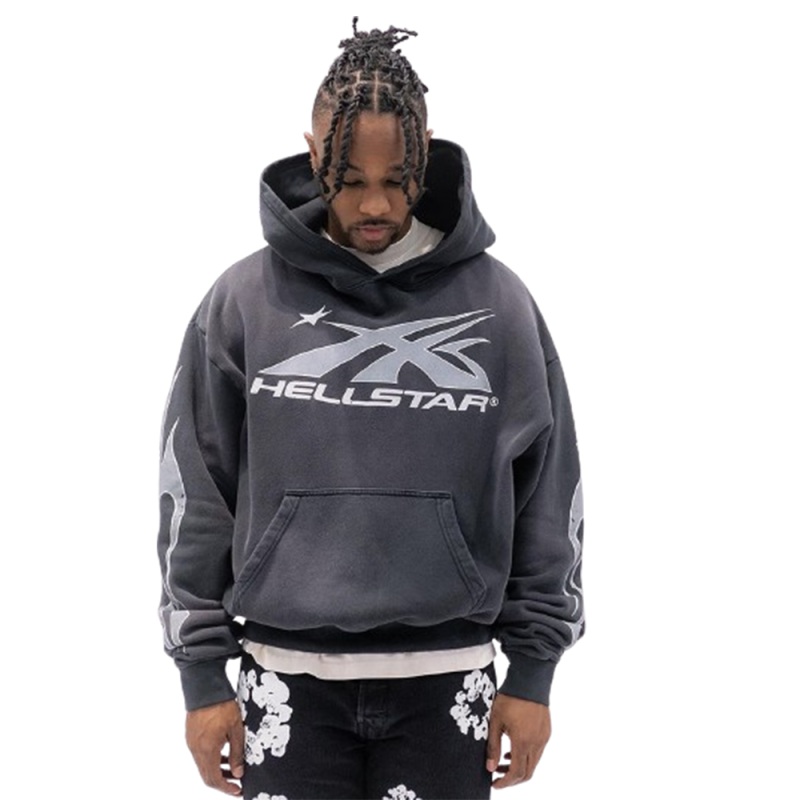
Scarcity isn’t a side effect—it’s the strategy.
Brand Identity and Cultural Demand
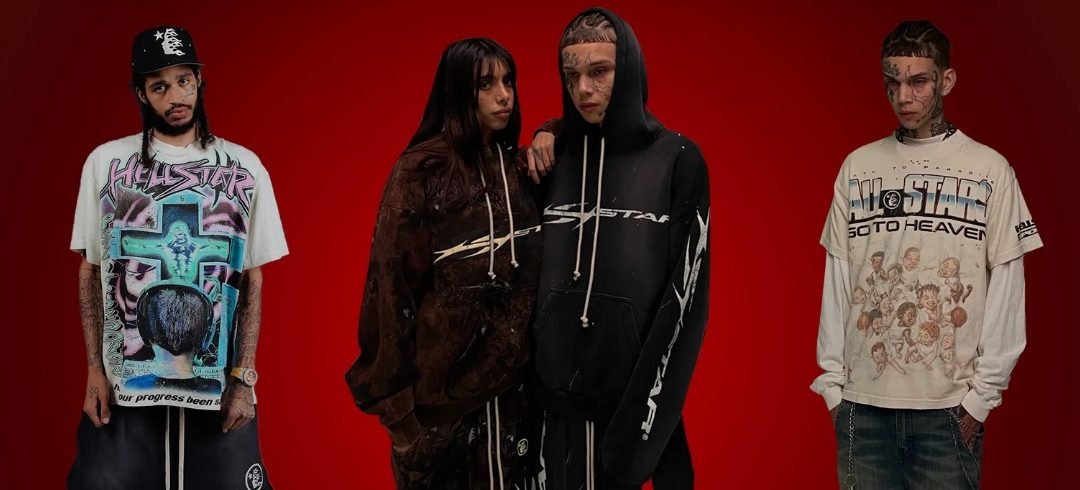
Hellstar’s identity is built on:
- Dark symbolism
- Emotional storytelling
- Recognizable visual language
When a brand becomes culturally “hot,” prices follow demand—not cost.
Streetwear coverage on Hypebeast and Highsnobiety frequently explains how cultural relevance translates directly into higher retail and resale prices.
Design and Production Costs
From a production view, Hellstar garments often include:
- Heavyweight fabrics
- Dense, multi-layer screen prints
- Washed color treatments
- Structured silhouettes
These do cost more than fast-fashion blanks.
However, to be honest:
Production quality supports the price—but demand sets the ceiling.
Retail vs Resale Pricing
Resale markets reinforce the brand’s pricing power.
| Market | Typical Price Behavior |
|---|---|
| Retail | High, brand-positioned |
| Early resale | Higher, scarcity-driven |
| Peak resale | Highest, demand-driven |
Once buyers see items reselling for more, retail pricing feels “justified.”
How Hellstar Prices Compare to Other Streetwear
| Brand Type | Price Driver |
|---|---|
| Fast fashion | Cost + margin |
| Core streetwear | Brand positioning |
| Hellstar | Scarcity + cultural demand |
| Luxury | Heritage + craftsmanship |
Hellstar sits between premium streetwear and hype culture.
Is Hellstar Worth the Price?
From my experience, it depends on your buying goal:
Hellstar makes sense if you:
- Value limited pieces
- Care about cultural relevance
- Like symbolic, statement streetwear
- Understand resale dynamics
It may not be worth it if you:
- Prioritize materials only
- Want everyday basics
- Avoid hype pricing
The price reflects positioning, not just product.
FAQ
Is Hellstar overpriced?
From a materials-only view, yes. From a market-demand view, no.
Does Hellstar use luxury materials?
Not luxury-tier, but heavier and more premium than fast fashion.
Will Hellstar prices drop?
Only if cultural demand fades.
Conclusion
So—why is Hellstar clothing so expensive?
Because in modern streetwear, price is set by demand, not just cost.
Hellstar’s pricing reflects:
- Scarcity
- Cultural heat
- Emotional branding
- Resale validation
If you understand that, the price tag stops being confusing—and starts making sense.
Internal Reference
If you’re building or sourcing streetwear and want to understand how pricing strategy, production cost, and brand value work together, learning from real manufacturing partners helps.
Explore how premium streetwear collections are developed at
👉 fukiapparel
Because in modern fashion,
price is part of the brand story.