
Many people assume luxury brands manufacture as much as possible to maximize profits. In reality, many premium fashion and streetwear labels intentionally produce limited quantities.
From my experience working with clothing manufacturers and private label brands, limited production isn't just a marketing tactic—it's a manufacturing strategy that helps protect quality, reduce risk, and increase product value.
In this guide, I'll explain why high-end brands rely on limited production runs and how smaller apparel brands can apply the same strategy.
Table of Contents
- Quick Answer
- Why Luxury Brands Limit Production
- The Benefits of Small Production Runs
- Limited vs Mass Production
- How Small Brands Can Use This Strategy
- Resources
- FAQ
- Final Thoughts
Quick Answer
Luxury brands use limited production runs because they help:
- Maintain product exclusivity
- Improve quality control
- Reduce excess inventory
- Increase perceived value
- Respond faster to market demand
Producing fewer garments often leads to stronger brand positioning.
Why Luxury Brands Limit Production
Better Quality Control
Smaller production batches are easier to monitor.
Manufacturers can inspect:
- Fabric quality
- Stitching
- Measurements
- Printing
- Finishing
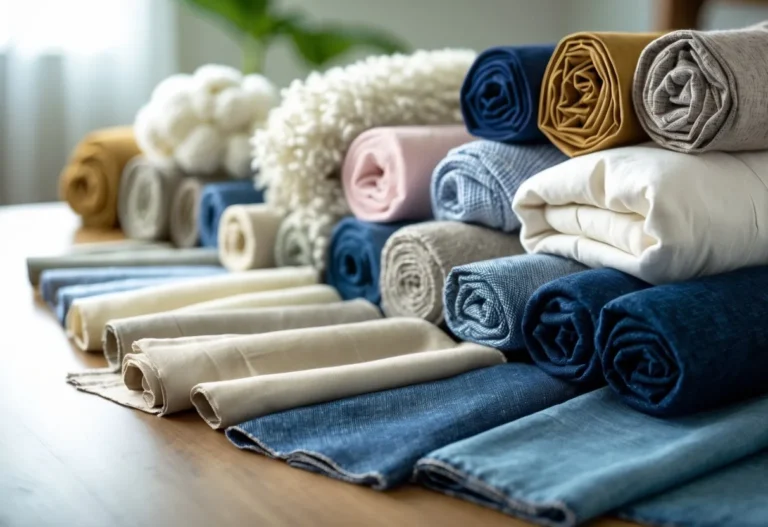
This reduces defects and improves consistency.
Create Exclusivity
Limited quantities make products feel more desirable.
Customers often associate limited releases with:
- Premium quality
- Higher value
- Brand prestige
Scarcity can strengthen customer demand.
Lower Inventory Risk
Fashion trends change quickly.
Producing fewer garments helps brands avoid:
- Overstock
- Heavy discounting
- Unsold inventory
This keeps collections fresh and profitable.
Faster Product Updates
Smaller production runs allow brands to:
- Launch seasonal collections
- Test new designs
- Improve products based on customer feedback
This flexibility is especially valuable for growing brands.
The Benefits of Small Production Runs
Stronger Brand Image
Customers often perceive limited collections as more exclusive and carefully crafted.
Better Cash Flow
Producing only what the market needs reduces upfront investment and frees capital for marketing or new product development.
Easier Product Testing
Brands can validate:
- New fabrics
- New colors
- New fits
- New graphics
before committing to larger orders.
Limited vs Mass Production
| Feature | Limited Production | Mass Production |
|---|---|---|
| Quality Control | Excellent | More Difficult |
| Inventory Risk | Low | High |
| Exclusivity | High | Low |
| Product Flexibility | High | Lower |
| Customer Perception | Premium | Mainstream |
Luxury brands often prioritize flexibility and quality over maximum production volume.
How Small Brands Can Use This Strategy
From my experience, startups don't need thousands of pieces to build a successful brand.
Start With Core Products
Focus on:
- Heavyweight hoodies
- Oversized T-shirts
- Sweatpants
Build a strong foundation before expanding your catalog.
Produce in Smaller Batches
Launching smaller collections allows you to:
- Gather customer feedback
- Improve future products
- Reduce financial risk
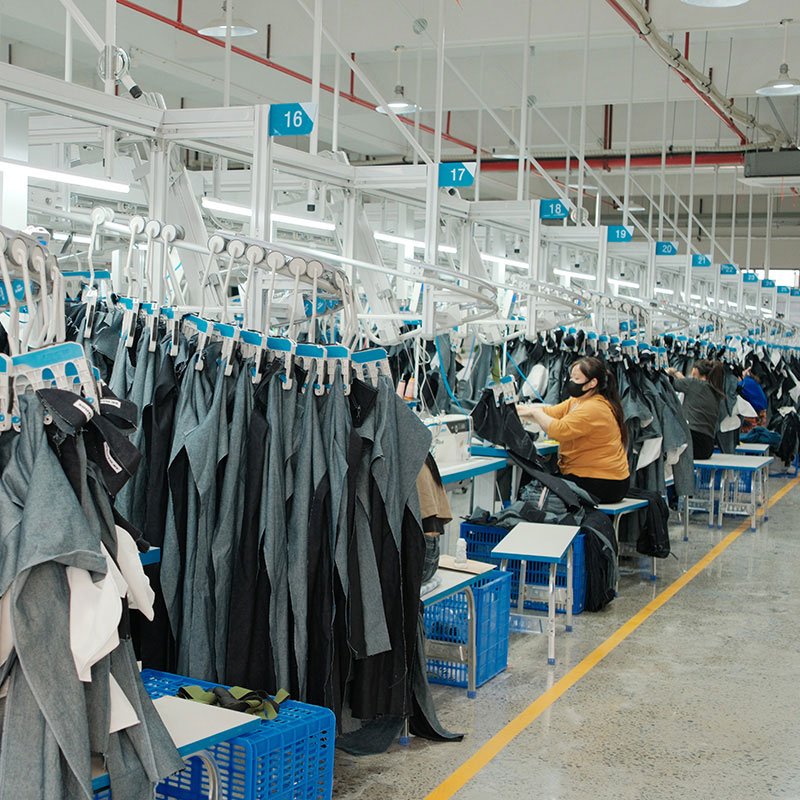
Partner With Flexible Manufacturers
Choose suppliers that support:
- Low MOQs
- Sampling
- Private label services
- Consistent quality control
For example, Fuki Apparel helps clothing brands produce premium streetwear through flexible OEM manufacturing, private label development, and scalable production that supports both limited drops and long-term growth.
Resources
Internal Resources
External Resources
- https://www.businessoffashion.com/
- https://www.highsnobiety.com/
- https://www.sourcingjournal.com/
- https://bettercotton.org/
FAQ
Why do luxury brands release limited collections?
Limited collections increase exclusivity, reduce inventory risk, and help maintain premium brand positioning.
Does limited production improve quality?
Yes. Smaller production runs are easier to monitor, allowing manufacturers to maintain higher quality standards.
Can startups use limited production?
Absolutely. Limited production helps startups test products, manage cash flow, and reduce unsold inventory.
Does producing fewer garments increase profits?
Not always directly, but it can improve margins by reducing waste, minimizing discounts, and increasing perceived product value.
What type of manufacturer supports limited production?
Experienced OEM and private label manufacturers that offer flexible MOQs and strong quality control are ideal for limited collections.
Final Thoughts
From my experience, limited production is one of the smartest manufacturing strategies for premium apparel brands.
It helps maintain quality, protect brand value, reduce financial risk, and create products that customers genuinely want.
Whether you're launching your first collection or expanding an established label, producing fewer—but better—garments often delivers stronger long-term results than chasing volume.
If you're looking for a manufacturing partner that supports premium limited collections, Fuki Apparel offers flexible OEM and private label solutions designed for modern streetwear brands.
