
At first glance, changing manufacturers seems risky.
After all, if a factory is already producing your products, why switch?
However, after working with growing streetwear brands for years, I've discovered something interesting:
Most successful streetwear brands eventually change manufacturers at least once.
In fact, changing factories is often a sign of growth—not failure.
As brands evolve, their requirements change. What worked during the startup phase may no longer support future expansion.
In this guide, I'll explain the most common reasons streetwear brands switch manufacturers, how to recognize when it's time for a change, and how to avoid costly mistakes during the transition.
Table of Contents
- 1. Is Changing Manufacturers Normal?
- 2. The Top Reasons Brands Switch Factories
- 3. Quality Issues and Consistency Problems
- 4. Growth and Capacity Challenges
- 5. Communication and Service Problems
- 6. Cost Optimization and Margin Improvement
- 7. Access to Better Fabrics and Techniques
- 8. Warning Signs It's Time to Switch
- 9. How to Change Manufacturers Safely
- 10. FAQ
- Final Thoughts
1. Is Changing Manufacturers Normal?
Absolutely.
Many entrepreneurs assume successful brands stay with the same factory forever.
That's rarely true.
As brands scale, they often need:
- Better quality control
- Lower production costs
- Larger production capacity
- Faster lead times
- More advanced manufacturing techniques
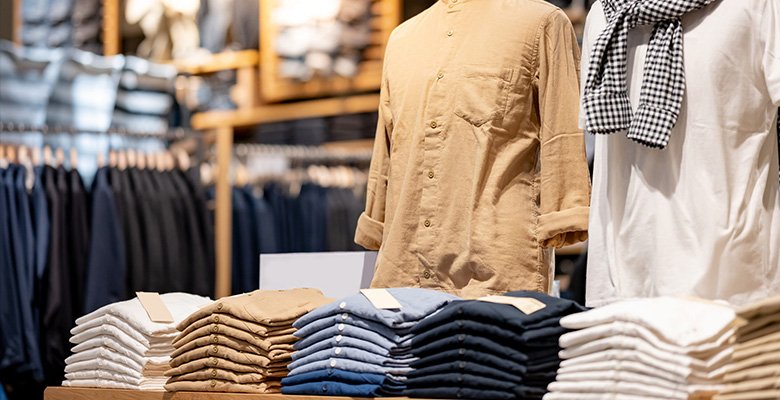
Brand Growth vs Manufacturing Needs
| Brand Stage | Manufacturing Needs |
|---|---|
| Startup | Low MOQ, flexibility |
| Growing Brand | Better consistency |
| Scaling Brand | Larger capacity |
| Established Brand | Global supply chain support |
The manufacturer that helped launch the brand may not be the best fit for the next stage.
2. The Top Reasons Brands Switch Factories
Based on my experience, most factory changes fall into five categories:
The Big Five Reasons
- Quality problems
- Production delays
- Communication issues
- Capacity limitations
- Cost optimization
Interestingly, price is often not the primary reason.
Quality and reliability usually matter more.
3. Quality Issues and Consistency Problems
This is the most common reason brands leave a manufacturer.
A factory may produce an excellent sample.
But once bulk production begins, consistency becomes the challenge.
Common Quality Problems
- Uneven sizing
- Crooked printing
- Fabric inconsistencies
- Poor stitching
- Color variation
Example
Sample hoodie:
✔ Perfect fit
✔ Premium fabric
Bulk production:
❌ Inconsistent measurements
❌ Different fabric feel
❌ Printing defects
This situation happens more often than many startups expect.
Quality Impact
| Issue | Business Impact |
|---|---|
| Returns | High |
| Refunds | High |
| Negative Reviews | High |
| Customer Trust Loss | Very High |
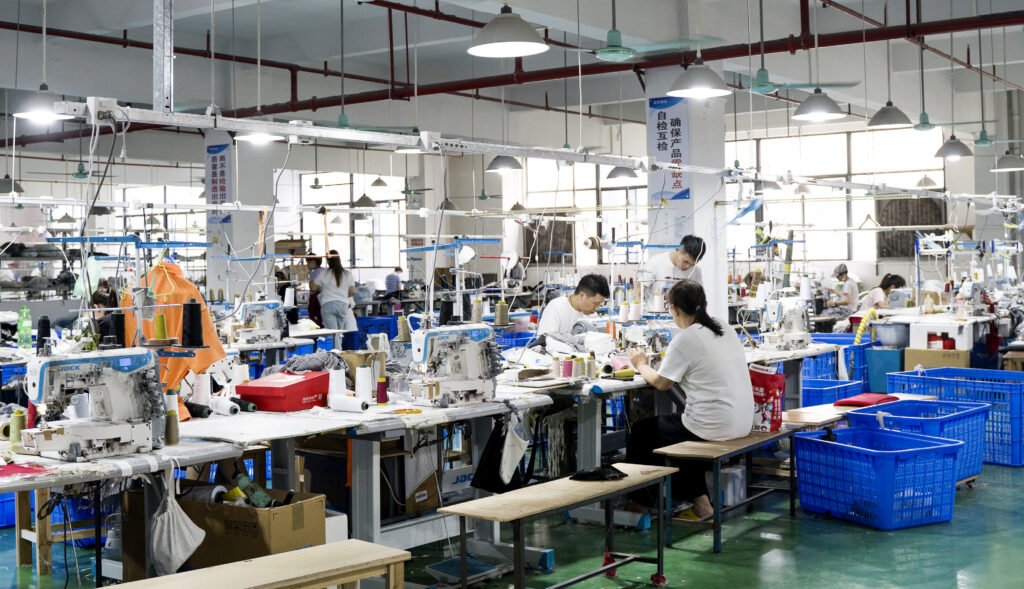
Quality issues quickly become brand issues.
4. Growth and Capacity Challenges
Sometimes the factory isn't bad.
The brand simply outgrows it.
Example
Startup order:
100 hoodies
One year later:
3,000 hoodies per month
The factory that handled 100 units may struggle with 3,000.
Signs of Capacity Problems
- Longer lead times
- Frequent delays
- Production scheduling issues
- Missed deadlines
Capacity Comparison
| Factory Type | Monthly Capacity |
|---|---|
| Small Workshop | 500–2,000 pcs |
| Mid-Size Factory | 5,000–20,000 pcs |
| Large Factory | 50,000+ pcs |
Growing brands often need larger manufacturing partners.
5. Communication and Service Problems
Poor communication can destroy otherwise good partnerships.
Common Complaints
- Slow replies
- Missing updates
- Lack of transparency
- Unclear production status
Why Communication Matters
Manufacturing isn't just sewing garments.
It's project management.
When communication breaks down:
- Decisions slow down
- Problems escalate
- Deadlines slip
Communication Scorecard
| Communication Level | Risk |
|---|---|
| Fast & Transparent | Low |
| Delayed Responses | Medium |
| Inconsistent Updates | High |
| No Visibility | Very High |
Many brands switch factories simply because they need better support.
6. Cost Optimization and Margin Improvement
While price isn't always the primary reason, it still matters.
As order volumes increase, brands often revisit manufacturing costs.
Example
Startup Cost:
$22 Hoodie
Growth Stage:
10,000 hoodies annually
A $2 reduction per hoodie saves:
$20,000 per year
Cost Reduction Opportunities
- Better fabric sourcing
- Improved efficiency
- Larger production runs
- Consolidated suppliers
Important Reminder
Cheaper isn't always better.
The goal is:
Lower cost without sacrificing quality.
7. Access to Better Fabrics and Techniques
Streetwear trends evolve rapidly.
Brands frequently seek factories that can offer:
- Heavyweight cotton
- Garment dyeing
- Vintage washing
- Puff printing
- Chenille embroidery
- Custom trims
Manufacturing Innovation Matters
| Capability | Competitive Advantage |
|---|---|
| Garment Dyeing | High |
| Custom Washes | High |
| Specialty Printing | High |
| Premium Fabrics | High |
Some factories specialize in basics.
Others specialize in innovation.
As brands evolve, their manufacturing needs evolve too.
8. Warning Signs It's Time to Switch
Many founders wait too long.
Here are the biggest warning signs.
Red Flags
❌ Quality declining
❌ Increasing delays
❌ Rising defect rates
❌ Slow communication
❌ Lack of transparency
❌ Limited development support
❌ Inability to scale
Manufacturer Health Check
| Question | Yes | No |
|---|---|---|
| Consistent quality? | ✓ | ✗ |
| On-time delivery? | ✓ | ✗ |
| Fast communication? | ✓ | ✗ |
| Supports growth? | ✓ | ✗ |
Multiple "No" answers may indicate it's time to explore alternatives.
9. How to Change Manufacturers Safely
Switching factories should never happen overnight.
Step 1: Keep Existing Production Stable
Avoid disrupting active orders.
Step 2: Develop Samples
Test the new factory thoroughly.
Step 3: Compare Results
Evaluate:
- Quality
- Pricing
- Lead times
- Communication
Step 4: Start Small
Don't move your entire business immediately.
Begin with a trial order.
Step 5: Scale Gradually
Increase volume only after consistent performance.
Recommended Resources
If you're evaluating new manufacturing partners:
Industry references:
10. FAQ
How often do clothing brands change manufacturers?
Many growing brands switch manufacturers at least once as they scale.
Is changing factories risky?
Yes, but staying with the wrong factory can be even riskier.
Should startups switch manufacturers quickly?
Not necessarily. First identify the root cause of the issue.
What is the biggest reason brands leave factories?
Quality inconsistency is typically the leading reason.
Can changing factories reduce costs?
Yes, but quality and reliability should remain the priority.
Final Thoughts
So, why do streetwear brands change manufacturers?
Usually because their business has changed.
The factory that helped launch a brand may not be the factory that helps scale it.
From my experience, successful brands evaluate manufacturers based on:
- Quality
- Communication
- Capacity
- Innovation
- Reliability
Not just price.
Remember:
Changing manufacturers isn't a sign of failure. Sometimes it's the next step in growth.
If you're looking for a manufacturing partner capable of supporting startup brands and growing streetwear businesses, explore:
A strong manufacturing partnership can be one of the biggest competitive advantages a clothing brand has.
