
If you've ever compared a luxury streetwear hoodie to a fast-fashion hoodie, you've probably noticed something immediately:
It feels heavier.
Much heavier.
Brands like Fear of God, Represent, Essentials, and many premium independent labels often use heavyweight fabrics that can weigh twice as much as standard apparel fabrics.
But why?
Are heavier fabrics simply more expensive?
Or do they actually improve the product?
After working with streetwear brands and apparel manufacturers, I've found that fabric weight is one of the biggest factors influencing how customers perceive quality.
Luxury streetwear brands don't use heavier fabrics just because they can. They use them because heavier fabrics create better structure, durability, fit, and perceived value.
In this guide, I'll explain why heavyweight fabrics dominate luxury streetwear and how brands use fabric weight strategically to build premium products.
Table of Contents
- 1. What Are Heavyweight Fabrics?
- 2. Why Fabric Weight Matters
- 3. Heavyweight vs Standard Fabrics
- 4. Better Structure and Silhouette
- 5. Improved Durability and Longevity
- 6. Enhanced Customer Perception
- 7. Why Oversized Fits Need Heavy Fabrics
- 8. Luxury Streetwear Fabric Standards
- 9. Are Heavier Fabrics Always Better?
- 10. How Brands Choose Fabric Weight
- 11. FAQ
- Final Thoughts
1. What Are Heavyweight Fabrics?
Fabric weight is typically measured using GSM (grams per square meter).
The higher the GSM, the heavier and denser the fabric.
Common Fabric Weight Categories
| Category | GSM |
|---|---|
| Lightweight | 120–180 GSM |
| Midweight | 180–260 GSM |
| Heavyweight | 280–380 GSM |
| Premium Heavyweight | 400–500 GSM |
| Ultra Heavyweight | 500+ GSM |
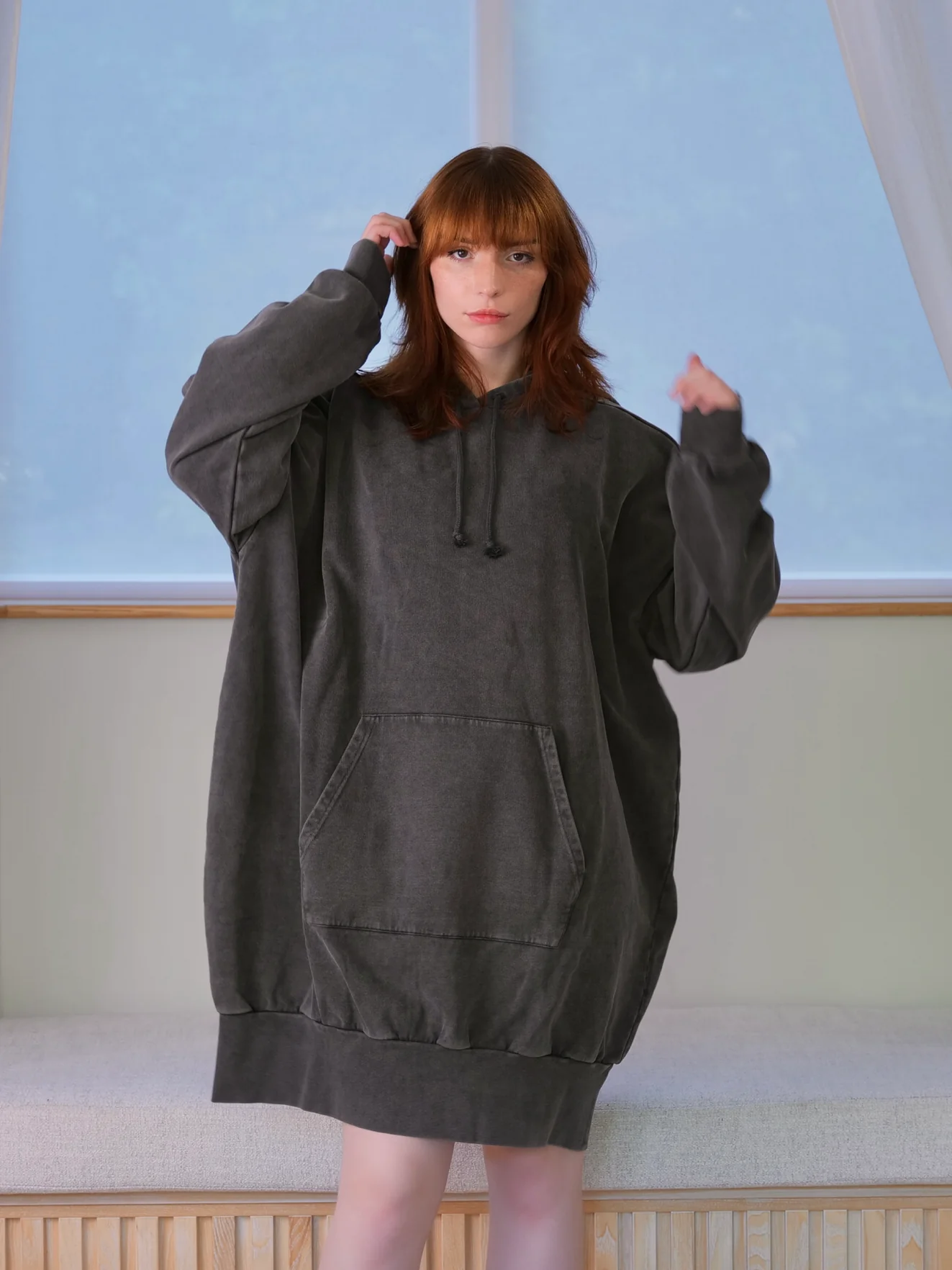
Luxury streetwear brands frequently use fabrics above 300 GSM.
2. Why Fabric Weight Matters
Many consumers don't know fabric specifications.
However, they immediately notice how a garment feels.
Fabric Weight Influences
- Structure
- Drape
- Comfort
- Durability
- Warmth
- Perceived quality
Customer Experience Impact
| Factor | Impact |
|---|---|
| First Touch | High |
| Visual Appearance | High |
| Fit Retention | High |
| Long-Term Wear | High |
Fabric weight plays a major role in overall product perception.
3. Heavyweight vs Standard Fabrics
Let's compare two common T-shirts.
Example Comparison
| Feature | Standard Tee | Luxury Tee |
|---|---|---|
| GSM | 180 GSM | 320 GSM |
| Feel | Lightweight | Substantial |
| Drape | Soft | Structured |
| Durability | Medium | High |
| Premium Perception | Medium | Very High |
The heavier fabric immediately communicates value.
4. Better Structure and Silhouette
One of the biggest reasons luxury brands choose heavier fabrics is structure.
Why Structure Matters
Premium garments often need to maintain their shape throughout the day.
Heavy fabrics help:
- Prevent sagging
- Maintain shoulder shape
- Improve drape
- Support oversized fits
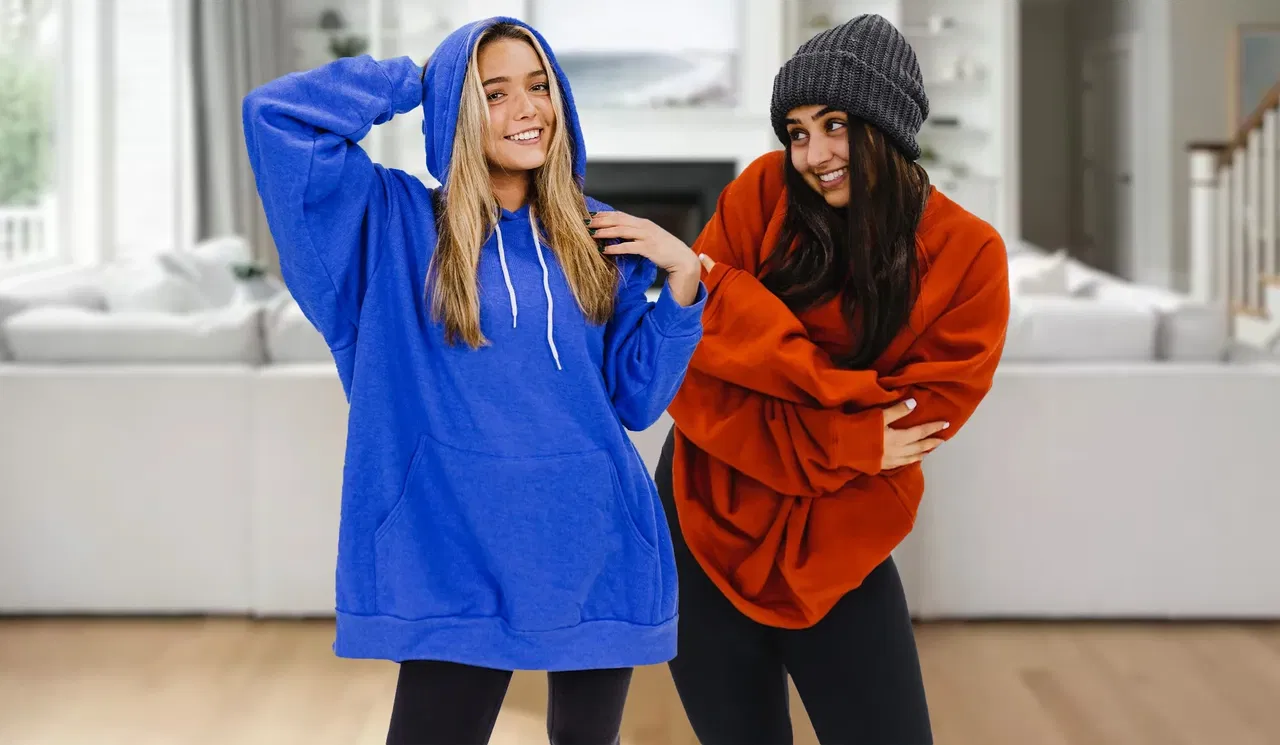
Visual Comparison
| Characteristic | Lightweight Fabric | Heavyweight Fabric |
|---|---|---|
| Shape Retention | Medium | High |
| Silhouette Definition | Medium | High |
| Premium Appearance | Medium | High |
Structure is especially important in modern streetwear.
5. Improved Durability and Longevity
Luxury consumers expect products to last.
Heavier fabrics generally offer better durability.
Benefits
- Stronger fabric surface
- Better abrasion resistance
- Reduced transparency
- Longer garment lifespan
Durability Comparison
| Feature | Lightweight | Heavyweight |
|---|---|---|
| Wear Resistance | Medium | High |
| Shape Retention | Medium | High |
| Lifespan | Medium | High |
While fabric composition also matters, heavier fabrics often perform better over time.
6. Enhanced Customer Perception
Perception plays a huge role in luxury fashion.
What Customers Associate With Heavyweight Fabrics
✔ Quality
✔ Value
✔ Craftsmanship
✔ Exclusivity
Psychological Effect
When customers pick up a garment and feel its weight, they often perceive it as more premium.
Perception Study
| Product Attribute | Customer Value |
|---|---|
| Weight | High |
| Softness | High |
| Construction | High |
| Branding | Medium |
Luxury brands understand this relationship well.
7. Why Oversized Fits Need Heavy Fabrics
Modern luxury streetwear relies heavily on oversized silhouettes.
The Problem With Lightweight Fabrics
Lightweight fabrics often:
- Collapse easily
- Lose shape
- Appear cheap
Heavyweight Fabric Benefits
- Better drape
- More volume
- Stronger silhouette
- Improved layering
Oversized Hoodie Example
| Fabric Weight | Appearance |
|---|---|
| 220 GSM | Soft and casual |
| 450 GSM | Structured and premium |
This is one reason oversized luxury hoodies are often produced using heavyweight fleece fabrics.
8. Luxury Streetwear Fabric Standards
While every brand is different, certain fabric weights are common.
Typical Fabric Specifications
| Product | Luxury GSM Range |
|---|---|
| T-Shirts | 260–350 GSM |
| Long Sleeves | 260–320 GSM |
| Hoodies | 380–500 GSM |
| Sweatpants | 320–450 GSM |
| Crewnecks | 380–500 GSM |
These ranges have become increasingly popular among premium streetwear labels.
9. Are Heavier Fabrics Always Better?
Not necessarily.
The best fabric depends on the intended use.
Situations Where Heavyweight Fabrics Excel
- Luxury streetwear
- Oversized garments
- Premium basics
- Fall/Winter collections
Situations Where Lighter Fabrics Work Better
- Athletic apparel
- Summer collections
- Performance wear
- Layering pieces
Selection Guide
| Goal | Recommended Weight |
|---|---|
| Premium Streetwear Tee | 280–320 GSM |
| Luxury Hoodie | 400–500 GSM |
| Performance Tee | 150–200 GSM |
Choosing the right fabric is more important than choosing the heaviest fabric.
10. How Brands Choose Fabric Weight
Experienced brands evaluate multiple factors.
Considerations
- Target customer
- Climate
- Product category
- Fit type
- Retail price
Decision Framework
| Factor | Importance |
|---|---|
| Product Category | Very High |
| Desired Fit | Very High |
| Customer Expectations | High |
| Seasonality | High |
The most successful brands align fabric choices with product positioning.
Manufacturing Resources
If you're developing heavyweight streetwear products, explore:
11. FAQ
What GSM is considered luxury streetwear?
Most luxury streetwear brands use fabrics ranging from 280 GSM to 500 GSM depending on the product.
Why do heavyweight hoodies cost more?
They require more raw material, stronger construction, and often higher-quality fabrics.
Do heavier fabrics last longer?
Generally, yes. Heavier fabrics often provide better durability and shape retention.
Are heavyweight T-shirts comfortable?
Yes. Modern finishing techniques allow heavyweight fabrics to remain soft while maintaining structure.
Is fabric weight the only indicator of quality?
No. Fiber quality, yarn construction, finishing, and manufacturing also matter significantly.
Final Thoughts
Luxury streetwear brands use heavier fabrics because they help create products that look, feel, and perform better.
Heavyweight fabrics offer:
- Better structure
- Stronger durability
- Premium perception
- Improved oversized fits
- Greater customer satisfaction
From my experience, fabric weight is one of the fastest ways to elevate a product from ordinary to premium.
However, successful brands don't simply choose the heaviest fabric available.
They choose the fabric that best supports the product vision.
If you're developing premium streetwear collections, explore:
Industry resources:
Because in luxury streetwear, fabric isn't just a material.
It's part of the brand experience.
