
The apparel industry is changing. Instead of producing millions of identical garments, more brands are choosing custom clothing manufacturing to build unique products and stronger customer loyalty.
From my experience working with fashion startups and established clothing brands, I've seen a clear shift. Consumers no longer want clothing that looks like everyone else's. They want products with better quality, unique designs, and a story behind the brand.
As a result, custom clothing is gradually replacing traditional mass production in many parts of the fashion industry.
This guide explains why this shift is happening and how brands can benefit from it.
Table of Contents
- Quick Answer
- What Is Custom Clothing Manufacturing?
- Why Mass Production Is Losing Its Advantage
- Why Brands Prefer Custom Manufacturing
- Custom Clothing vs Mass Production
- How Successful Brands Use Custom Production
- Is Custom Manufacturing Right for Your Brand?
- Resources
- FAQ
- Final Thoughts
Quick Answer
Custom clothing is replacing mass production because brands want:
- Stronger brand identity
- Better product quality
- Flexible production
- Lower inventory risk
- Higher customer loyalty
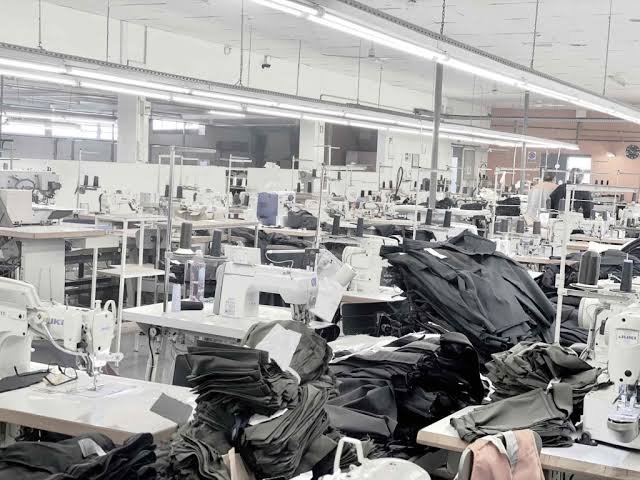
Rather than competing on price alone, modern brands compete through originality and customer experience.
What Is Custom Clothing Manufacturing?
Custom clothing manufacturing means producing garments specifically for one brand instead of selling generic products.
Brands can customize almost every detail, including:
- Fabric
- Fit
- Color
- Printing
- Embroidery
- Labels
- Packaging
From my experience, this approach helps brands stand out in an increasingly competitive market.
Why Mass Production Is Losing Its Advantage
Mass production has many strengths, but today's market has changed.
Consumers Want Unique Products
Modern shoppers are less interested in wearing the same products as everyone else.
Instead, they prefer:
- Limited collections
- Original graphics
- Premium fabrics
- Exclusive designs
Overstock Has Become Expensive
Large production runs often create excess inventory.
Unsold products lead to:
- Discounting
- Warehousing costs
- Cash flow pressure
Custom manufacturing allows brands to produce smaller quantities based on real demand.
Fashion Trends Move Faster
Social media has shortened product life cycles.
Instead of seasonal collections, many brands now launch:
- Capsule drops
- Limited releases
- Monthly collections
Flexible manufacturing supports this model much better than traditional mass production.
Why Brands Prefer Custom Manufacturing
Better Brand Identity
Your products become recognizable because they are built around your own brand instead of generic templates.
Higher Product Value
Customers are often willing to pay more for:
- Better materials
- Unique details
- Exclusive designs
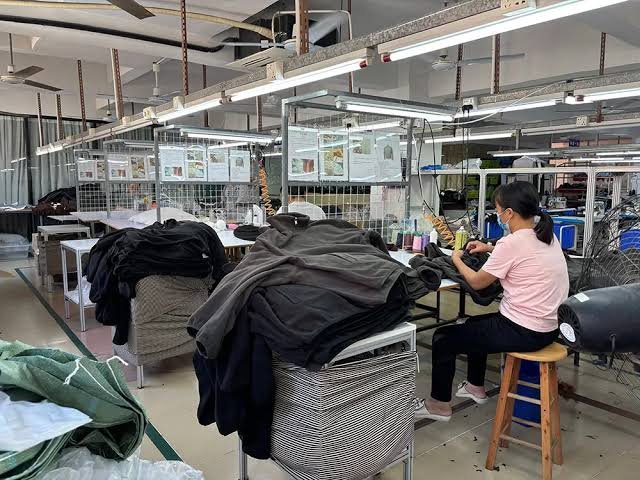
Quality becomes part of the brand story.
Greater Production Flexibility
Many OEM manufacturers now offer:
- Low MOQ
- Fast sampling
- Flexible production schedules
This helps startups test products before scaling.
Easier Product Innovation
Brands can experiment with:
- Heavyweight fabrics
- Vintage washing
- Oversized fits
- Premium trims
without committing to massive production quantities.
Custom Clothing vs Mass Production
| Feature | Custom Clothing | Mass Production |
|---|---|---|
| Product Uniqueness | High | Low |
| Brand Identity | Strong | Limited |
| MOQ | Flexible | Usually High |
| Inventory Risk | Lower | Higher |
| Product Development | Custom | Standardized |
| Customer Loyalty | Higher | Moderate |
How Successful Brands Use Custom Production
From my experience, many successful apparel brands follow a similar strategy.
Start Small
Instead of launching 30 products at once, they focus on:
- 3–8 core products
- Limited colorways
- Small production runs
Invest in Quality
Modern brands compete through:
- Better fabric
- Better construction
- Better fit
rather than simply offering the lowest price.
Build Long-Term Manufacturing Partnerships
Reliable manufacturers help brands improve products over time.
For example, Fuki Apparel works with streetwear brands to develop custom clothing through OEM and private label manufacturing, offering flexible MOQ, premium fabrics, and scalable production.
Is Custom Manufacturing Right for Your Brand?
Custom clothing manufacturing is ideal if you want to:
✅ Build your own brand
✅ Launch premium products
✅ Test new collections quickly
✅ Create loyal customers
Mass production may still be suitable for brands focused mainly on high-volume, low-cost retail.
However, for most modern fashion startups, custom manufacturing provides a stronger foundation for long-term growth.
Resources
Internal Resources
External Resources
- https://www.businessoffashion.com/
- https://www.mckinsey.com/industries/retail/our-insights/state-of-fashion
- https://sourcingjournal.com/
- https://www.oeko-tex.com/
FAQ
Why are clothing brands moving toward custom manufacturing?
Because it helps brands differentiate themselves, improve quality, and reduce inventory risk.
Is custom clothing more expensive?
The unit cost is often higher, but it usually creates greater brand value and better profit margins.
Can startup brands use custom manufacturing?
Yes. Many manufacturers now offer low MOQ production specifically for startups.
Is mass production becoming obsolete?
No. It still works well for certain business models, but more premium and independent brands are choosing customization.
What products are commonly customized?
Popular custom products include hoodies, T-shirts, sweatshirts, jackets, sweatpants, and accessories.
Final Thoughts
From my experience, the future of fashion belongs to brands that create products customers cannot easily replace.
Custom clothing manufacturing gives brands greater flexibility, stronger identity, and more control over product quality.
Rather than producing more garments, successful brands are focusing on producing better garments.
If you're planning to build a private label or streetwear brand, partnering with an experienced manufacturer like Fuki Apparel can help you transform original ideas into premium-quality products that stand out in today's competitive apparel market.
