
People often ask, “Why boycott Primark?”
From my experience working around apparel sourcing and cost structures, this question usually comes from a deeper concern: what has to happen behind the scenes for clothing to be this cheap?
This article doesn’t tell you what to think. It explains why some consumers choose to boycott Primark—so you can decide for yourself.
Table of Contents
- Quick Answer
- The Core Reasons Behind Boycotts
- Labor Concerns in Fast Fashion
- Environmental Impact
- The “Disposable Clothing” Problem
- Primark vs More Responsible Models
- Is Boycotting the Only Option?
- FAQ
- Conclusion
- Internal Reference
Quick Answer
People boycott Primark because of concerns around labor conditions, environmental damage, and the culture of disposable fashion created by ultra-low pricing.
The boycott isn’t about hating the brand—it’s about questioning the system that makes $5 clothing possible.
The Core Reasons Behind Boycotts
This section summarizes the main motivations.
Why Consumers Push Back
From what I’ve seen in the industry, boycotts usually focus on three areas:
- worker welfare in global supply chains
- environmental harm from mass production
- the normalization of throwaway clothing
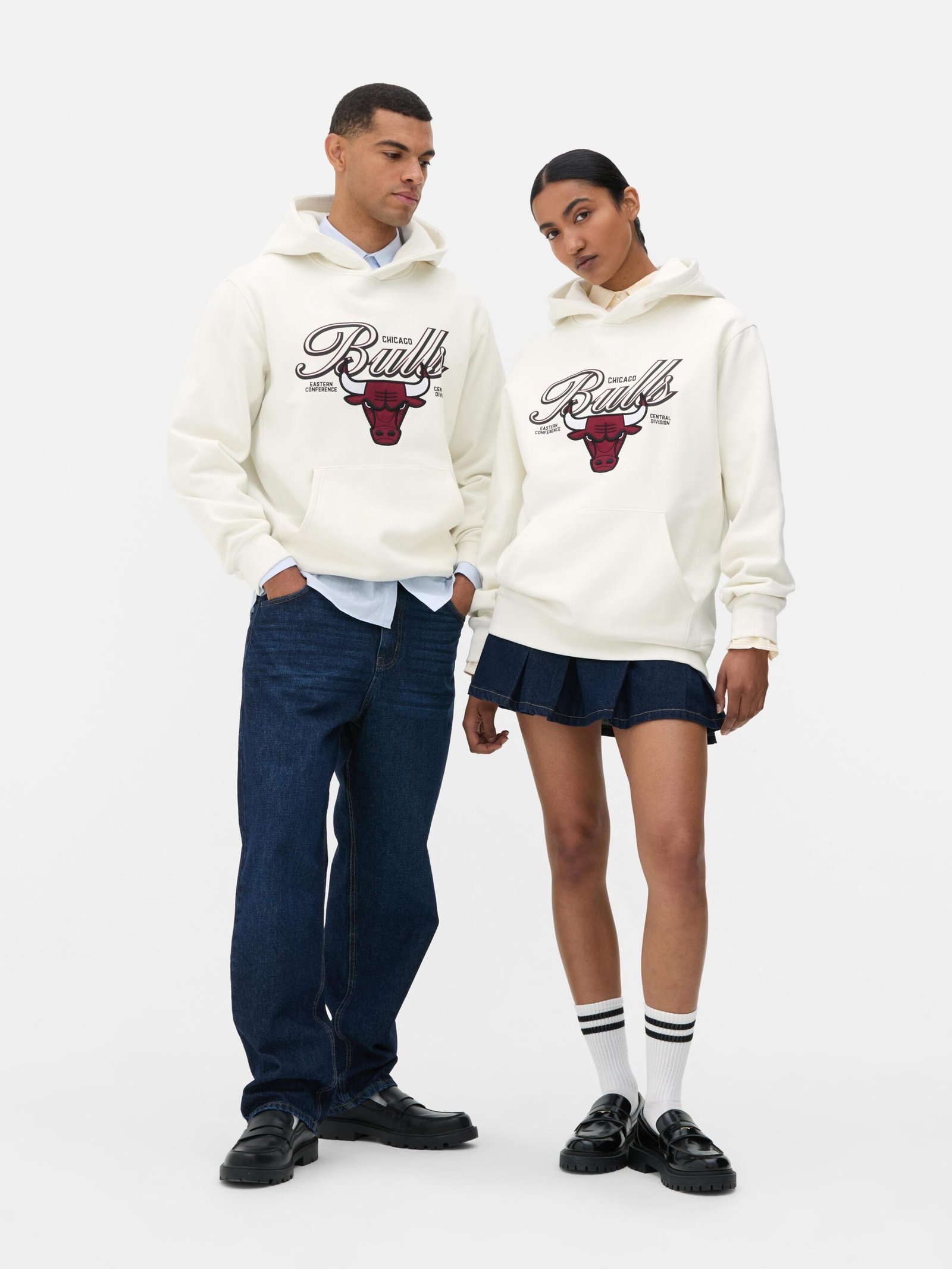
These concerns are not unique to Primark—but Primark’s scale and pricing make it a focal point.
You can see how the brand presents its own commitments on Primark.
Labor Concerns in Fast Fashion
This section explains the human side.
The Cost of Ultra-Low Prices
When a T-shirt sells for a few dollars, something must absorb the cost:
- wages
- working hours
- factory conditions
- production speed
Advocacy groups like Clean Clothes Campaign often highlight how fast fashion pressure can lead to unsafe or unfair labor practices across the industry.
From my experience, ethical sourcing is harder—not impossible—when margins are this thin.
Environmental Impact
This section looks at sustainability.
Scale Equals Footprint
Primark produces enormous volumes. That means:
- more fabric waste
- higher water usage
- increased chemical processing
- faster landfill cycles
Fast fashion accelerates the loop:
Make → Buy → Wear → Discard → Repeat
Low prices reduce emotional attachment to clothing—and that drives waste.
The “Disposable Clothing” Problem
This section addresses culture, not just production.
When Clothes Lose Meaning
In a low-price environment:
- garments become short-term tools
- repair feels pointless
- replacement feels easier than care

From my perspective, this changes how people value clothing itself.
Boycotts are often a way of saying:
“I don’t want fashion to be disposable by default.”
Primark vs More Responsible Models
| Model Type | Focus | Trade-Off |
|---|---|---|
| Ultra-fast fashion | Lowest possible price | Higher social & environmental strain |
| Mid-range ethical brands | Balance cost and care | Higher prices |
| Slow fashion | Longevity & craft | Limited trend speed |
Boycotts usually push consumers toward fewer, better purchases.
Is Boycotting the Only Option?
This section helps readers choose realistically.
You Might Boycott If You:
- prioritize ethics over price
- prefer long-lasting garments
- want to reduce consumption
- see fashion as a value system
You Might Choose Selective Buying If You:
- have strict budget limits
- buy only essentials
- wear items for a long time
- avoid impulse purchases
From my experience, the real change comes from intentional buying, not perfection.
FAQ
Is Primark unethical?
Primark states it follows ethical sourcing programs, but critics argue fast fashion inherently creates pressure on labor and resources.
Does boycotting actually help?
Boycotts signal demand for change and push brands to respond.
Are other fast fashion brands better?
Most face similar challenges—Primark is just more visible.
Is it wrong to shop at Primark?
That depends on your values and circumstances.
Conclusion
So, why boycott Primark?
Because for many people, Primark represents a system where clothing becomes too cheap to respect—by workers, by the planet, and by consumers themselves.
From my perspective, the boycott isn’t about one store.
It’s about asking a bigger question:
What should clothing really cost—and who pays the difference?
Internal Reference
For a deeper look at how apparel sourcing, pricing, and private-label production can be structured more responsibly, visit fukiapparel.