
Finding the right wholesale clothing manufacturer can determine whether your fashion brand succeeds or struggles.
I've worked with startup clothing brands, established streetwear labels, and sourcing teams, and one lesson has remained true throughout every project:
The best brands don't simply look for the cheapest supplier—they build long-term partnerships with manufacturers that can grow alongside them.
Whether you're launching your first apparel line or expanding an existing business, understanding how professional brands source manufacturers can save you thousands of dollars and months of frustration.
This guide explains how experienced brands evaluate wholesale clothing manufacturers, what mistakes to avoid, and how to build a reliable supply chain in 2026.
Table of Contents
- Quick Answer
- What Is a Wholesale Clothing Manufacturer?
- How Professional Brands Source Manufacturers
- Where to Find Reliable Wholesale Manufacturers
- Questions to Ask Before Ordering
- Common Sourcing Mistakes
- China vs Other Manufacturing Countries
- Recommended Resources
- FAQ
- Final Thoughts
Quick Answer
Wholesale clothing manufacturers produce apparel in bulk for fashion brands, retailers, and distributors.
Professional brands don't choose suppliers based only on price. Instead, they evaluate:
- Manufacturing experience
- Product quality
- Communication
- Sampling process
- MOQ flexibility
- Production capacity
- Quality control
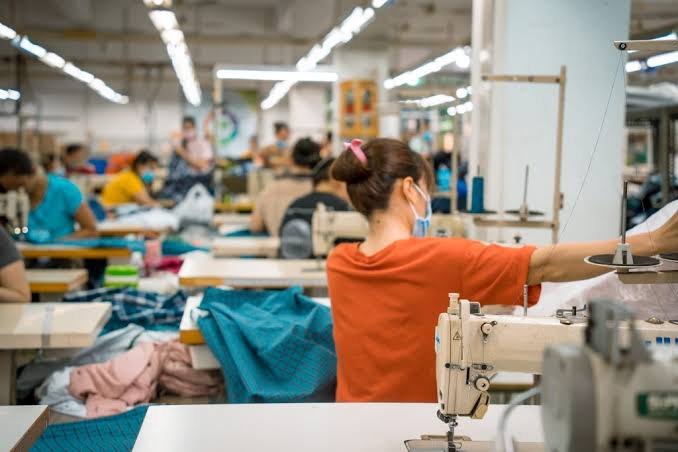
A reliable manufacturer becomes a long-term business partner—not just a supplier.
What Is a Wholesale Clothing Manufacturer?
A wholesale clothing manufacturer produces garments in bulk, often with customization options such as private labels, custom fabrics, printing, embroidery, and packaging.
Unlike wholesalers who simply resell finished products, manufacturers actually make the garments.
Typical services include:
- OEM production
- Private label manufacturing
- Fabric sourcing
- Pattern development
- Custom printing
- Packaging customization
From my experience, working directly with a manufacturer gives brands far greater flexibility and better long-term profit margins.
How Professional Brands Source Manufacturers
Successful brands follow a structured sourcing process rather than contacting dozens of factories randomly.
Step 1: Define Your Product
Before contacting suppliers, prepare:
- Product category
- Target price
- Fabric requirements
- Quantity
- Target market
The more information you provide, the more accurate the quotations will be.
Step 2: Shortlist Experienced Factories
Instead of choosing factories that make everything, look for manufacturers specializing in your niche.
For streetwear brands, manufacturers with experience producing:
- Heavyweight hoodies
- Oversized T-shirts
- Cargo pants
- Washed garments
- Puff printing
are usually better choices.
Step 3: Order Samples
Never skip sampling.
Evaluate:
- Fabric quality
- Stitching
- Measurements
- Printing
- Embroidery
- Overall workmanship
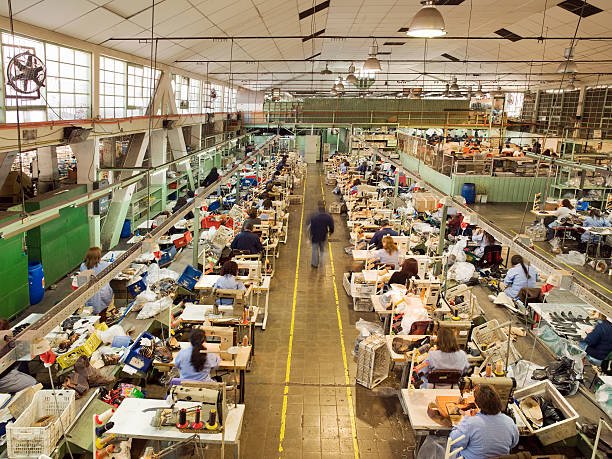
Professional brands always test before committing to bulk production.
Step 4: Compare More Than Price
A lower quotation doesn't always mean lower costs.
Consider:
| Evaluation Factor | Why It Matters |
|---|---|
| Product Quality | Reduces returns |
| Communication | Prevents mistakes |
| Lead Time | Keeps launches on schedule |
| MOQ | Matches your budget |
| QC Process | Ensures consistency |
| Sampling Speed | Speeds up development |
Where to Find Reliable Wholesale Manufacturers
There are many sourcing channels available today.
Direct Manufacturer Websites
Working directly with factories usually provides:
- Better pricing
- Faster communication
- More customization
- Better technical support
For example:
Fuki Apparel specializes in OEM and private label streetwear manufacturing with low MOQ support for fashion startups and growing brands.
Trade Shows
Fashion exhibitions remain one of the best places to meet verified manufacturers.
Popular events include:
- MAGIC Las Vegas
- Texworld
- Source Fashion
- Canton Fair
B2B Platforms
Professional sourcing platforms include:
- Alibaba
- Made-in-China
- Global Sources
Always verify suppliers before placing orders.
Questions to Ask Before Ordering
Before selecting a manufacturer, ask these important questions:
- What products do you specialize in?
- What is your minimum order quantity?
- How long does sampling take?
- What is your production lead time?
- Can you customize labels and packaging?
- How do you perform quality control?
- Do you have experience exporting internationally?
Their answers often reveal their professionalism.
Common Sourcing Mistakes
I've seen many brands repeat the same mistakes.
Avoid these common problems:
Choosing Based Only on Price
The cheapest supplier often becomes the most expensive after quality problems and delays.
Skipping Samples
Bulk production should never begin without approved samples.
Ignoring Communication
Slow or unclear communication during sampling usually becomes worse during production.
Not Checking Quality Systems
Ask how inspections are performed during:
- Fabric inspection
- Cutting
- Sewing
- Printing
- Final packing
A professional manufacturer should have a clear quality control process.
China vs Other Manufacturing Countries
Different countries offer different advantages.
| Country | Advantages | Best For |
|---|---|---|
| China | Complete supply chain, customization, fast development | OEM & Private Label |
| Portugal | Luxury craftsmanship | Premium fashion |
| Turkey | Fast European shipping | Mid-to-high-end apparel |
| Vietnam | Competitive labor costs | Large-volume orders |
| Bangladesh | Cost efficiency | Basic garments |
From my experience, China remains the most flexible option for startups because of its mature textile supply chain and customization capabilities.
Recommended Resources
Internal Resources
Industry Resources
FAQ
What is the difference between a wholesaler and a manufacturer?
A wholesaler resells finished products, while a manufacturer produces garments from raw materials and can usually offer customization.
How many manufacturers should I compare?
I recommend comparing at least three to five qualified factories before making a final decision.
What MOQ is suitable for startups?
Many manufacturers offer low MOQs starting from 100–300 pieces per style, depending on the product.
Is China still the best place to source clothing?
For most private label and streetwear brands, China remains one of the best options because of its complete supply chain, competitive pricing, and customization capabilities.
How do professional brands avoid supplier problems?
They review samples carefully, communicate clearly, sign detailed production agreements, and perform quality inspections before shipment.
Final Thoughts
From my experience, sourcing wholesale clothing manufacturers isn't about finding the lowest quotation—it's about finding a factory that can consistently deliver quality, communicate effectively, and support your brand as it grows.
Professional brands succeed because they build long-term relationships instead of chasing short-term savings.
If you're looking for an experienced OEM and private label streetwear manufacturer, Fuki Apparel offers low MOQ production, premium fabrics, custom branding, and complete manufacturing solutions designed for modern fashion brands.
