
If you’re asking “Who wears RTA?”, you’re really asking a deeper question:
What type of person is this brand actually for?
From my experience working with and analyzing contemporary fashion brands, RTA isn’t about mass appeal. It’s about a very specific kind of wearer.
Below is a clear, real-world breakdown.
Table of Contents
- Quick Answer
- What Type of People Wear RTA?
- Celebrities and Public Figures Who Wear RTA
- Why RTA Appeals to These Wearers
- RTA vs Other Brands by Wearer Type
- When RTA Makes Sense — and When It Doesn’t
- FAQ
- Conclusion
- Internal Reference
Quick Answer
RTA is worn by people who prefer a clean, edgy, and confident look — often creatives, professionals, and style-conscious individuals who don’t rely on loud logos.
It’s common among:
- fashion-forward adults
- creatives and entrepreneurs
- musicians and entertainers
- people who want premium style without heavy branding
What Type of People Wear RTA?
The Typical RTA Wearer Profile
From what I’ve seen, RTA wearers usually share these traits:
- confident personal style
- preference for clean silhouettes
- interest in premium materials
- low tolerance for trend overload
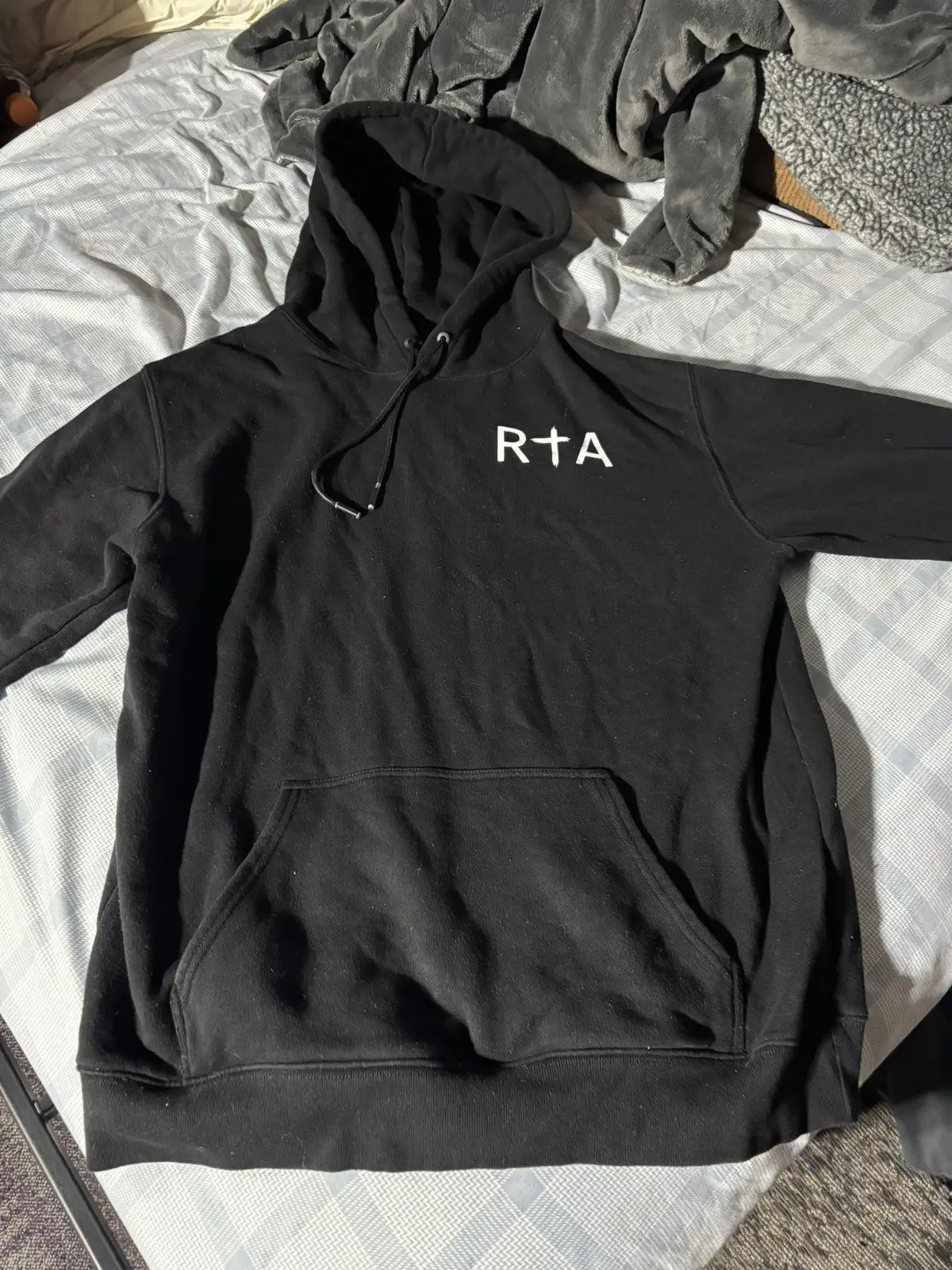
RTA isn’t designed to stand out loudly — it’s designed to stand out quietly.
Celebrities and Public Figures Who Wear RTA
Why RTA Shows Up on Celebrities
RTA has been worn by musicians, actors, and athletes who favor understated edge rather than flashy branding.
The brand’s appeal to public figures comes from:
- sharp tailoring
- leather and denim focus
- easy off-duty styling
You can see how the brand positions itself and its collections on the official site:
RTA
From my perspective, RTA fits naturally into celebrity wardrobes because it looks intentional without looking styled.
Why RTA Appeals to These Wearers
Design Over Logos
RTA emphasizes:
- fit
- material
- proportion
instead of:
- oversized logos
- seasonal graphics
- trend-driven visuals
Lifestyle Compatibility
RTA pieces transition well between:
- casual daytime wear
- creative work environments
- evening social settings
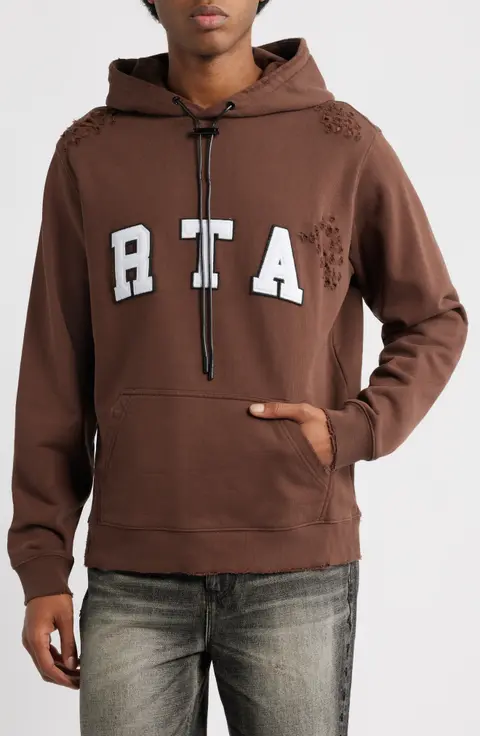
That versatility is a major reason people stick with the brand.
RTA vs Other Brands by Wearer Type
Wearer Comparison Table
| Brand Type | Typical Wearer | Style Priority |
|---|---|---|
| RTA | Confident, understated | Fit & attitude |
| Streetwear brands | Trend followers | Logos & drops |
| Luxury houses | Status-driven buyers | Heritage & image |
| Fast fashion | Price-focused shoppers | Trend speed |
RTA attracts people who want identity without noise.
When RTA Makes Sense — and When It Doesn’t
RTA Is a Good Choice If You:
- like minimal but edgy fashion
- want premium feel without luxury formality
- prefer timeless silhouettes over trends
RTA May Not Be Right If You:
- want bold graphics or loud branding
- shop mainly for hype or resale
- prefer classic heritage luxury labels
From my experience, dissatisfaction usually comes from misaligned expectations, not product quality.
FAQ
Who usually wears RTA clothing?
Fashion-forward adults, creatives, and professionals who prefer clean, edgy style.
Is RTA popular among celebrities?
Yes, especially among musicians and entertainers.
Is RTA streetwear or luxury?
It sits between street influence and premium contemporary fashion.
Is RTA for younger or older buyers?
Primarily adults, but age matters less than personal style.
Conclusion
So, who wears RTA?
RTA is worn by people who value confidence, restraint, and premium design over trends and logos.
From my perspective, the brand works best for those who already know their style and don’t need clothing to shout for attention.
Internal Reference
For insights into how contemporary brands like RTA are developed, produced, and positioned, visit fukiapparel.
