
If you've been collecting Japanese streetwear, you've probably heard of WTAPS, one of the most respected names in military-inspired fashion.
Its timeless designs and exceptional craftsmanship have earned a loyal following worldwide.
But many people still wonder:
Who owns WTAPS?
Is it part of a luxury fashion group, or is it still an independent Japanese brand?
From my experience working with premium streetwear brands and OEM clothing manufacturers, WTAPS is one of the best examples of a founder-led label that has remained true to its original vision instead of becoming part of a large fashion conglomerate.
In this guide, I'll explain who owns WTAPS, who founded the brand, and why its ownership structure has helped preserve its unique identity.
Table of Contents
- Quick Answer
- Who Owns WTAPS?
- Who Is Tetsu Nishiyama?
- Is WTAPS an Independent Brand?
- Why Founder Ownership Matters
- How WTAPS Has Stayed Consistent
- Lessons for Fashion Brands
- FAQ
- Final Thoughts
Quick Answer
WTAPS is owned by its founder, Tetsu Nishiyama (also known as Tet), through his Japanese fashion company.
Unlike many contemporary fashion labels that have been acquired by luxury groups or private equity firms, WTAPS has remained an independent Japanese streetwear brand.
This independence allows the company to maintain:
- Creative control
- Consistent product quality
- Limited production
- Long-term brand identity
Who Owns WTAPS?
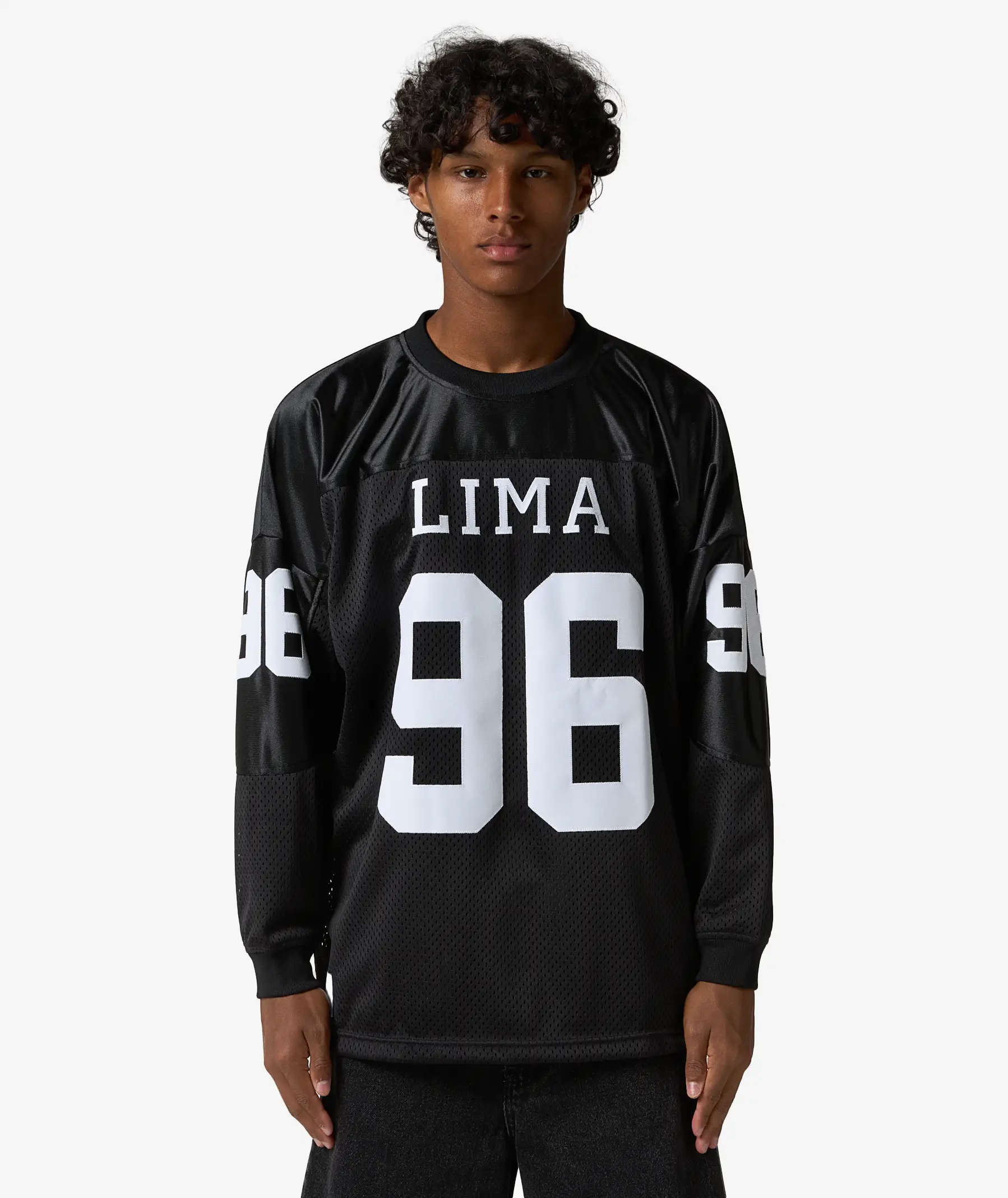
WTAPS was founded in 1996 by Tetsu Nishiyama, who continues to be the driving force behind the brand.
Unlike many global fashion companies, WTAPS has not become part of a major luxury conglomerate.
Instead, it continues operating as an independent Japanese label focused on:
- Premium craftsmanship
- Military-inspired design
- Functional apparel
- Limited seasonal releases
From my perspective, this ownership model is one reason WTAPS has remained remarkably consistent over nearly three decades.
Who Is Tetsu Nishiyama?
Tetsu Nishiyama—often known simply as Tet—is one of Japan's most influential streetwear designers.
He is respected for combining:
- Military aesthetics
- Utility clothing
- Vintage inspiration
- Japanese craftsmanship
- Minimal branding
Rather than pursuing fast-changing trends, Nishiyama has focused on refining a recognizable design language that continues to define WTAPS today.
Is WTAPS an Independent Brand?
Yes.
WTAPS remains an independent fashion brand rather than being owned by a multinational luxury group.
That independence allows the company to make long-term decisions without outside pressure.
Advantages of Remaining Independent
- Greater creative freedom
- Smaller production runs
- Better quality control
- Stronger brand consistency
- More authentic storytelling
Many collectors believe this independence is one of WTAPS' greatest strengths.
Why Founder Ownership Matters
From my experience in apparel manufacturing, ownership can have a major impact on product quality and brand direction.
Creative Consistency
Founder-led brands usually maintain a stronger visual identity.
Product Standards
Independent brands often place greater emphasis on craftsmanship than rapid expansion.
Customer Trust
When customers know the original founder is still involved, confidence in the brand often increases.
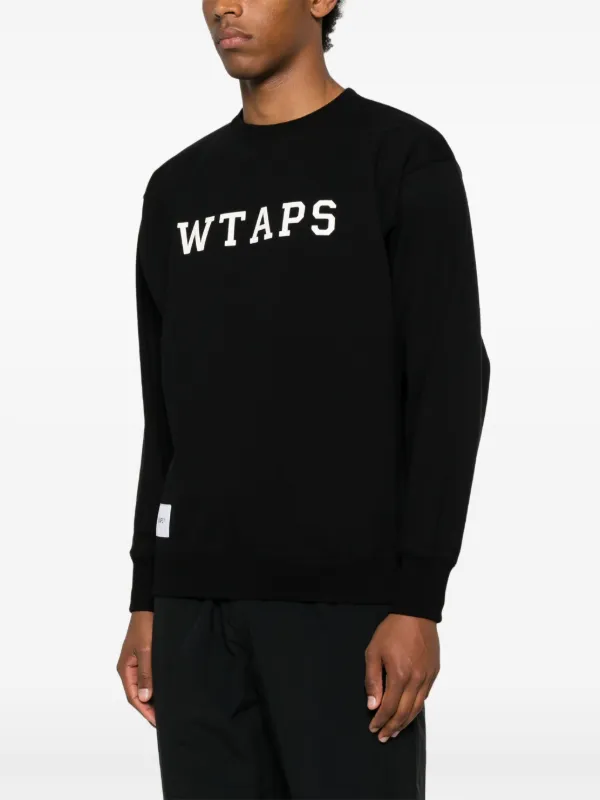
WTAPS has successfully built this level of trust over many years.
How WTAPS Has Stayed Consistent
One reason WTAPS continues to attract loyal customers is its disciplined approach.
Design Philosophy
Each collection stays true to the brand's military-inspired roots.
Premium Manufacturing
WTAPS is known for:
- Heavyweight fabrics
- Durable stitching
- Premium trims
- Precise garment construction
Limited Releases
Rather than flooding the market, WTAPS focuses on carefully curated seasonal collections.
This approach helps maintain exclusivity while supporting quality.
Lessons for Fashion Brands
From my experience working with private label manufacturers, WTAPS demonstrates several valuable principles.
Build a Long-Term Vision
Successful brands are built over decades, not seasons.
Protect Your Identity
Consistency is often more valuable than constantly chasing trends.
Focus on Product Quality
Excellent craftsmanship builds customer loyalty and strengthens brand reputation.
Choose Manufacturing Partners Carefully
Even the strongest designs require reliable production.
For example:
👉 Fuki Apparel specializes in OEM and private label streetwear manufacturing, offering:
- Heavyweight hoodies
- Oversized T-shirts
- Cargo pants
- Utility jackets
- Garment-dyed collections
- Custom trims, woven labels, and packaging
Related resources:
Industry Resources
Learn more about WTAPS and Japanese streetwear:
FAQ
Who owns WTAPS?
WTAPS was founded by Tetsu Nishiyama, who continues to own and lead the brand through his independent Japanese fashion business.
Is WTAPS owned by LVMH or Kering?
No. WTAPS is not owned by major luxury groups such as LVMH or Kering.
Why has WTAPS remained independent?
Remaining independent allows the brand to maintain creative control, product quality, and a consistent long-term vision.
Does Tetsu Nishiyama still design WTAPS?
Yes. Tetsu Nishiyama continues to play a central role in shaping WTAPS' creative direction and design philosophy.
What can startup fashion brands learn from WTAPS?
Develop a clear identity, maintain consistent quality, and build a brand around long-term values instead of short-term trends.
Final Thoughts
From my perspective, WTAPS proves that a fashion brand doesn't need corporate ownership or celebrity marketing to become globally respected.
Its continued success comes from founder-led creativity, disciplined product development, and unwavering attention to quality.
For entrepreneurs, the lesson is clear:
Strong ownership, clear vision, and excellent manufacturing can build a brand that remains relevant for decades.
If you're planning to launch your own premium streetwear label, partnering with an experienced OEM manufacturer like:
can help you create high-quality private label collections that reflect the same commitment to craftsmanship and consistency.
