
If you’re asking “Who owns the RTA brand?”, you’re probably trying to understand who is actually behind the label — not just creatively, but from a business and decision-making perspective.
From my experience analyzing contemporary fashion brands, ownership often explains why a brand looks, prices, and positions itself the way it does. RTA is a clear example of this.
Table of Contents
- Quick Answer
- Who Owns the RTA Brand Today?
- Who Founded RTA?
- How RTA’s Ownership Affects the Brand
- Is RTA an Independent Brand or Part of a Group?
- RTA Ownership vs Other Fashion Brands
- What Ownership Means for Buyers
- FAQ
- Conclusion
- Internal Reference
Quick Answer
The RTA brand is privately owned and was founded by Eli Azran.
RTA is not owned by a major luxury conglomerate. It operates as an independent, founder-led fashion brand.
Who Owns the RTA Brand Today?
RTA remains a privately held company.
Key Ownership Facts
- Founder-led ownership structure
- No public acquisition by LVMH, Kering, or other luxury groups
- Strategic independence in branding and product decisions

The brand continues to operate independently through its official platform, RTA.
Who Founded RTA?
Founder Background
RTA was founded by Eli Azran, with a clear focus on:
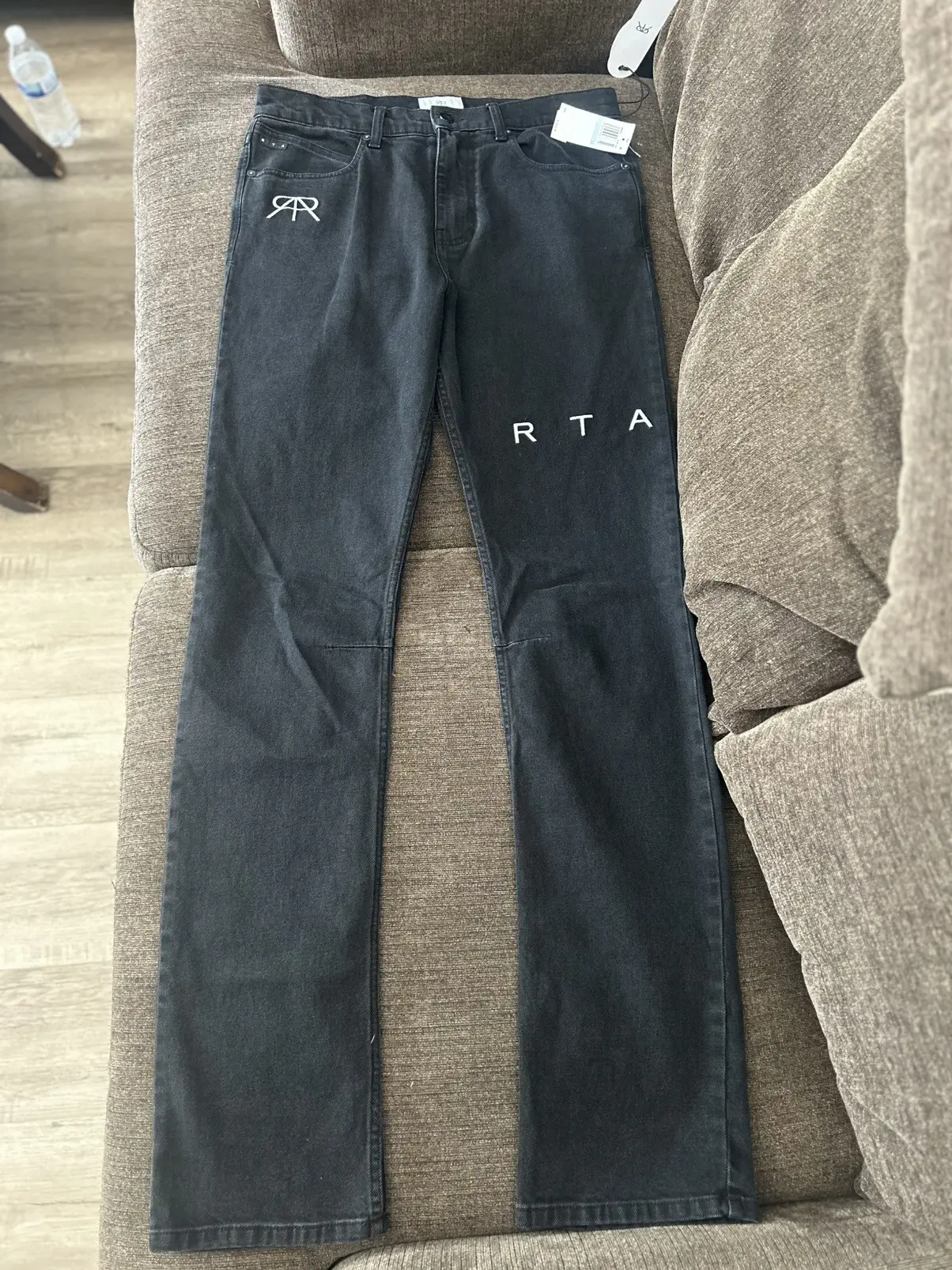
- premium denim
- leather-forward collections
- clean but edgy silhouettes
- a balance between street influence and luxury attitude
From my perspective, RTA reflects a long-term founder vision rather than a trend-driven or investor-led approach.
How RTA’s Ownership Affects the Brand
Creative Control
Because RTA is privately owned:
- creative direction remains consistent
- branding decisions are not diluted by corporate oversight
- collections evolve gradually instead of shifting aggressively
Business Flexibility
Independent ownership allows RTA to:
- control growth pace
- manage distribution selectively
- maintain a stable brand identity
In my experience, this is why RTA avoids extreme trend cycles.
Is RTA an Independent Brand or Part of a Group?
RTA’s Ownership Structure
| Brand Type | Ownership Model | Typical Outcome |
|---|---|---|
| RTA | Private / founder-led | Consistent identity |
| Luxury house | Conglomerate-owned | Global scale |
| Licensed brand | Third-party managed | Inconsistent output |
| Fast fashion | Corporate-owned | Speed over vision |
RTA clearly belongs in the independent premium fashion brand category.
RTA Ownership vs Other Fashion Brands
Ownership Comparison
| Brand Category | Ownership | Impact on Product |
|---|---|---|
| RTA | Private founder ownership | Stable design language |
| Luxury brands | Group-owned | Heritage + scale |
| Streetwear startups | Mixed investors | Rapid shifts |
| Fast fashion | Corporate-owned | Trend saturation |
This explains why RTA feels more controlled and consistent over time.
What Ownership Means for Buyers
Understanding who owns RTA helps buyers set realistic expectations.
When RTA Is a Strong Choice
RTA is a good fit if you:
- value consistency over hype
- prefer founder-driven brands
- want premium design without corporate dilution
When Ownership Matters Less
RTA may not be ideal if you:
- shop only based on price
- chase fast-moving trends
- prioritize resale speculation
From my experience, ownership transparency builds long-term trust.
FAQ
Who owns the RTA brand?
RTA is privately owned and founder-led by Eli Azran.
Is RTA owned by a luxury conglomerate?
No, RTA operates independently.
Has RTA been acquired?
There is no public record of a full acquisition.
Is RTA an independent fashion brand?
Yes.
Conclusion
So, who owns the RTA brand?
RTA is a privately owned, founder-led fashion brand founded by Eli Azran.
That independent ownership explains the brand’s consistent design language, controlled growth, and long-term positioning.
Internal Reference
For insights into fashion brand ownership, production strategy, and private-label manufacturing, visit fukiapparel.
