
If you’ve ever worn a pair of Kapital jeans or seen their wild patchwork jackets, you might have wondered the same thing I did years ago:
“Is this a big corporate brand… or something more personal?”
After working with Japanese mills and heritage workshops, I learned that Kapital is one of the rare brands that still feels human. Its ownership explains why.
Table of Contents
- Quick Answer
- Who Actually Owns Kapital?
- Why Kapital Feels So Independent
- Kapital vs Corporate Fashion Brands
- How Ownership Shapes the Product
- Is Kapital Likely to Be Sold?
- FAQ
- Internal Reference
Quick Answer
Kapital is owned by the Hirata family in Japan.
It is a privately held brand founded by Toshikiyo Hirata and creatively led by his son Kiro Hirata in Kojima, Okayama—the heart of Japanese denim culture.
Kapital is not owned by LVMH, Kering, or any global fashion group.
Who Actually Owns Kapital?
Kapital was built from the ground up as a family craft business:
- Founder: Toshikiyo Hirata (a master denim craftsman)
- Creative Director: Kiro Hirata
- Location: Kojima, Okayama, Japan
- Ownership: Private, family-held
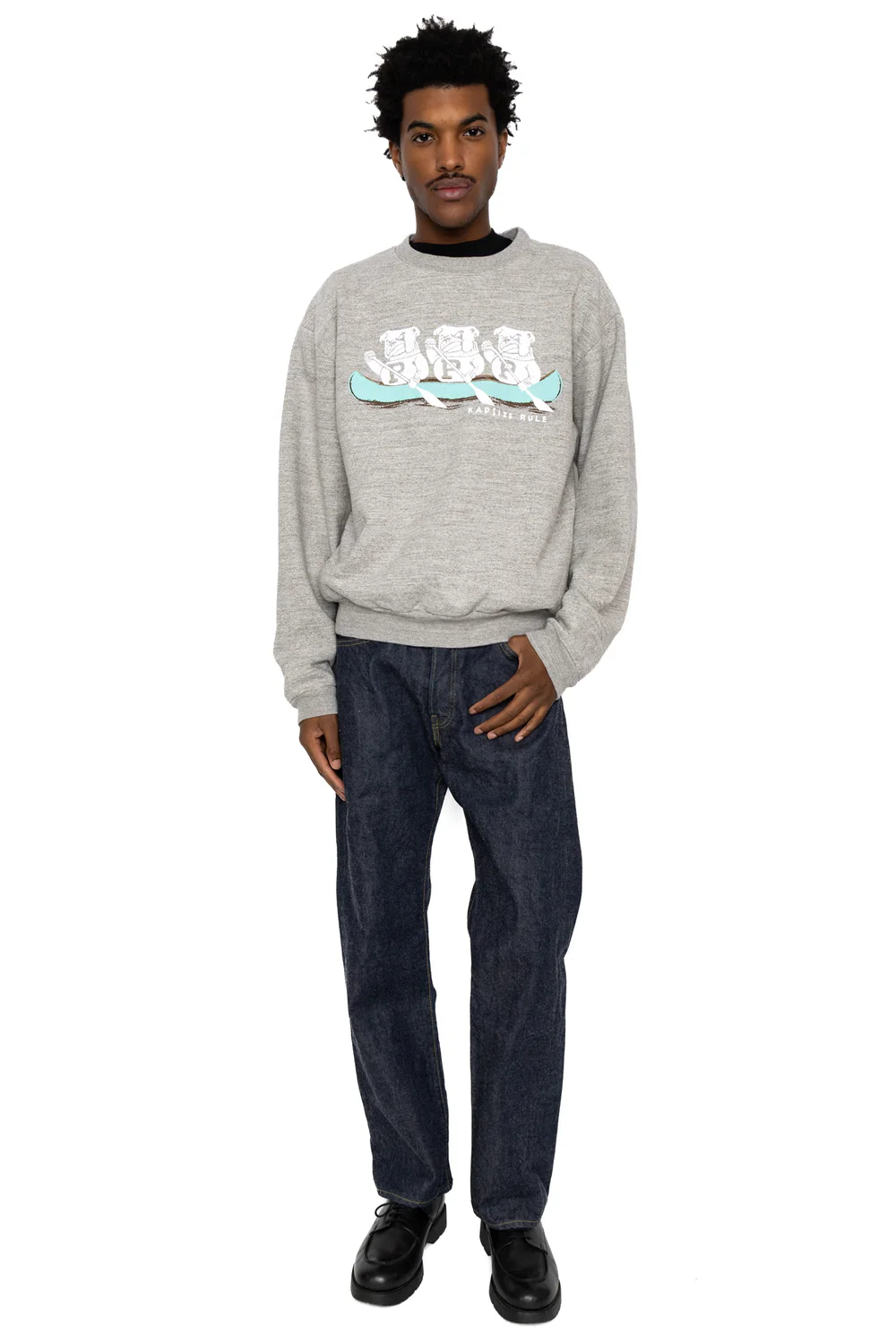
There are no public investors, no luxury conglomerates, and no venture capital behind Kapital.
It operates more like a workshop than a corporation.
You can see the brand’s roots and philosophy on its official site:
Kapital
Why Kapital Feels So Independent
From a manufacturing perspective, Kapital behaves differently from global brands:
- Collections are small and irregular
- Fabrics are often custom-developed
- Finishing is manual and slow
- Designs prioritize process over trend
This only works when a brand answers to craft, not shareholders.
Family ownership allows Kapital to say:
“We’ll make fewer pieces, but we’ll make them our way.”
Kapital vs Corporate Fashion Brands
| Aspect | Kapital (Family-Owned) | Corporate Fashion Brand |
|---|---|---|
| Ownership | Hirata family | Public or group-owned |
| Production Speed | Slow, artisanal | Fast, seasonal |
| Fabric Strategy | Local Japanese mills | Global sourcing |
| Design Direction | Culture-led | Market-led |
| Growth Goal | Longevity | Expansion |
Kapital isn’t optimized for scale. It’s optimized for meaning.
How Ownership Shapes the Product
Because Kapital is privately owned:
- Designs aren’t watered down
- Techniques like boro, sashiko, and natural indigo remain central
- Each garment can take more time to finish
- Mistakes become character, not defects
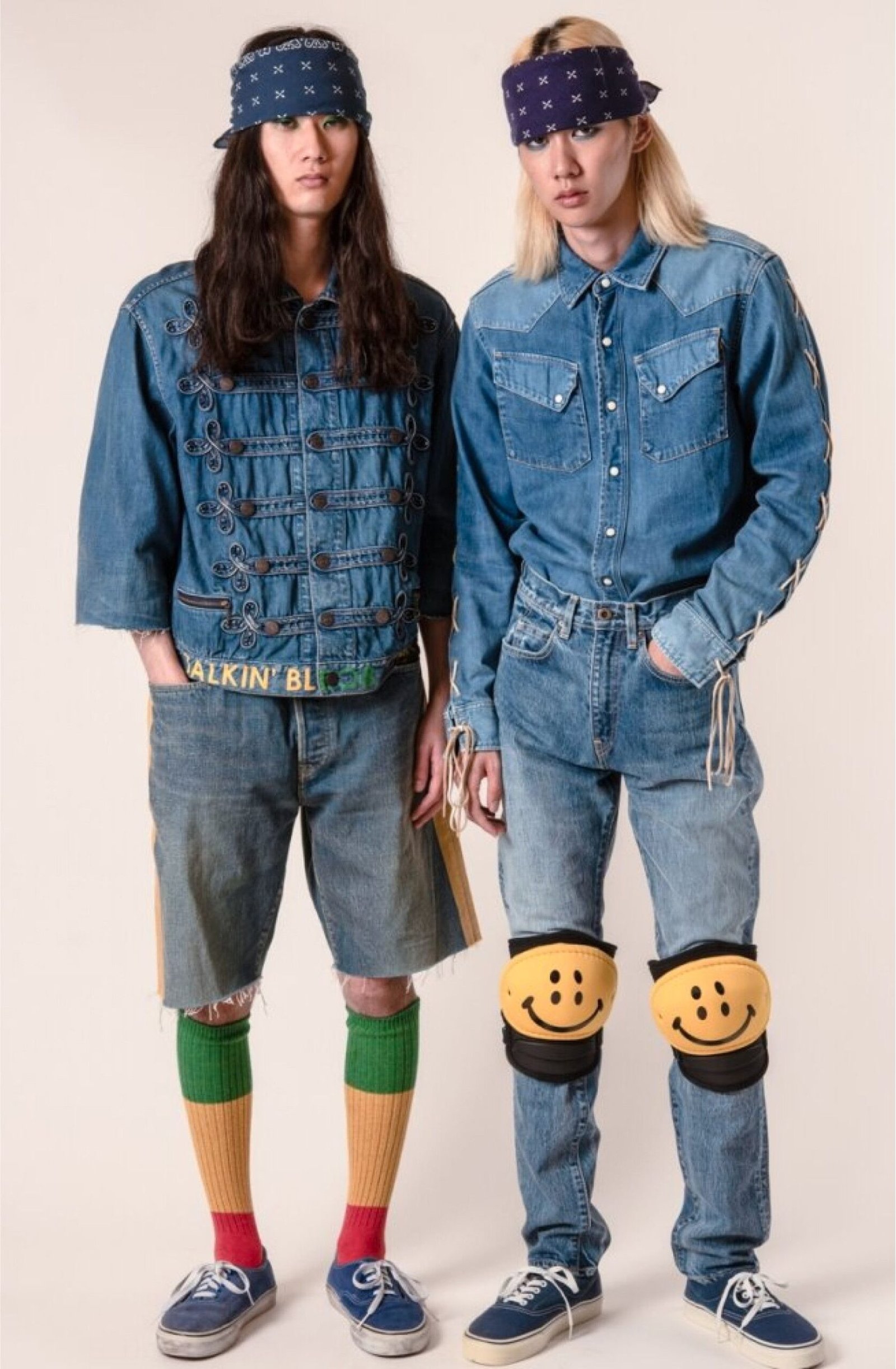
That’s why Kapital pieces feel “alive.”
They’re not mass-produced—they’re crafted.
Is Kapital Likely to Be Sold?
While many cult brands eventually sell, Kapital’s structure makes that unlikely:
- The brand is deeply tied to Kojima
- Leadership remains in-family
- Production depends on local relationships
- Its identity resists industrial scaling
Selling would mean changing what Kapital is.
That’s a high price.
FAQ
Is Kapital a luxury brand?
It’s better described as craft luxury—priced for labor, not hype.
Is Kapital made in Japan?
Many core items are still produced in Japan, especially denim and heritage lines.
Who controls design at Kapital?
Kiro Hirata leads creative direction, continuing his father’s philosophy.
Internal Reference
If you admire how family-owned brands like Kapital preserve identity and craftsmanship, you’ll understand our approach at fukiapparel—where private-label development starts with fabric, process, and long-term brand DNA.
