
Short answer: Represent is privately owned by its founders, brothers George and Michael Heaton. The brand is not owned by a luxury conglomerate or investment group.
In this article, I’ll explain who actually owns Represent, how the brand is structured, and why its ownership model matters — especially for people deciding whether Represent fits their style, values, or expectations around quality.
Table of Contents
- Quick Answer
- Who Owns Represent?
- Who Founded Represent?
- Is Represent Owned by a Luxury Group?
- How Ownership Shapes the Brand
- Represent vs Corporate Fashion Brands
- Who Represent Is Really For
- FAQ
- Conclusion
- Internal Reference
Quick Answer
Represent is owned by its founders, George and Michael Heaton.
The brand remains privately held and independently operated, without ownership from luxury conglomerates like LVMH or Kering.
Who Owns Represent?
Represent was founded in 2011 in the UK by brothers George and Michael Heaton.
Unlike many fashion brands that sell equity early, Represent has stayed:
- Founder-led
- Privately owned
- Creatively independent
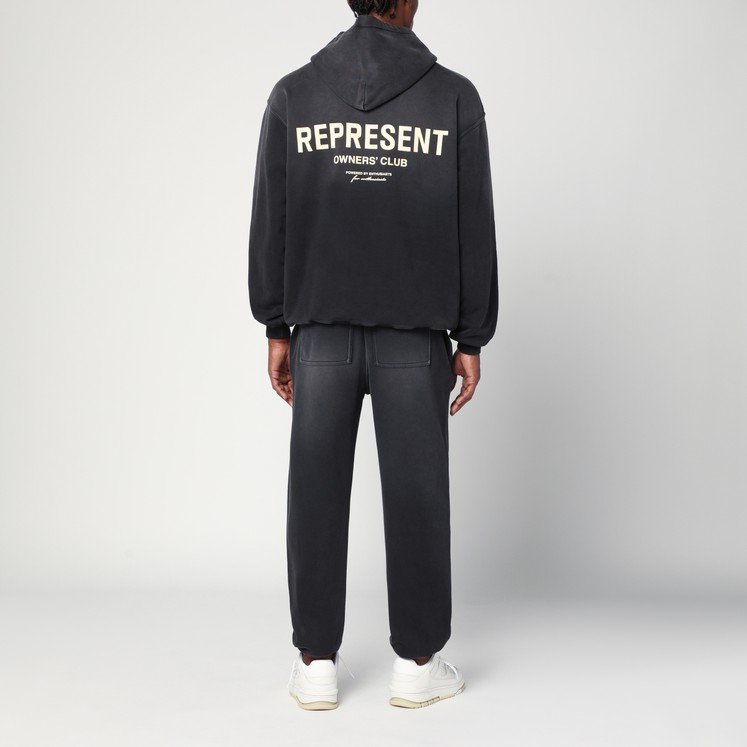
This structure allows the brand to maintain full control over its image, production standards, and long-term vision.
Official website:
👉representclo
Who Founded Represent?
The Heaton brothers launched Represent with a clear mission: create premium-quality streetwear without chasing short-term trends or hype cycles.
They built the brand organically through:
- Direct-to-consumer sales
- Community-driven growth
- Strong brand storytelling
- Fit-focused product development
This founder-first structure plays a major role in the brand’s consistent identity.
Is Represent Owned by a Luxury Group?
No.
Represent is not owned by:
- LVMH
- Kering
- Richemont
- Any major private equity fashion group
While Represent operates in the premium price segment, ownership remains fully independent.
How Ownership Shapes the Brand
Because Represent is privately owned, it can:
- Maintain strict quality control
- Avoid overproduction
- Release collections strategically
- Preserve brand consistency
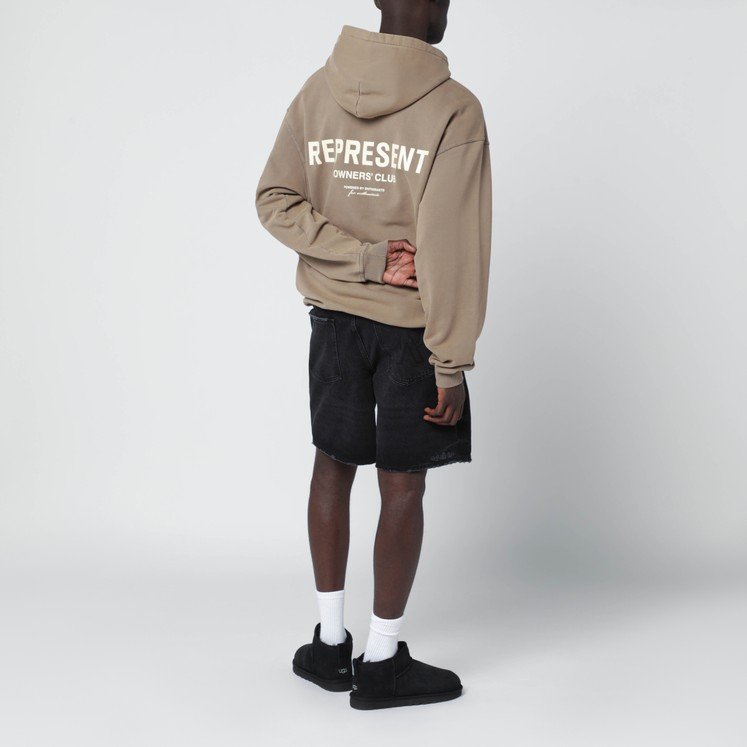
Founder-led brands typically prioritize long-term identity over short-term growth spikes.
Represent vs Corporate Fashion Brands
| Aspect | Represent | Corporate Fashion Brands |
|---|---|---|
| Ownership | Founders | Corporations |
| Creative Control | High | Shared / diluted |
| Growth Strategy | Organic | Aggressive expansion |
| Brand Identity | Consistent | Can shift over time |
Independent ownership often results in stronger brand coherence.
Who Represent Is Really For
Represent appeals to individuals who:
- Value quality over hype
- Prefer clean, elevated streetwear
- Appreciate consistency in fit and construction
It may not suit:
- Fast-fashion consumers
- Trend-driven buyers
- Logo-heavy fashion enthusiasts
FAQ
Who owns Represent clothing?
George and Michael Heaton.
Is Represent a luxury brand?
It is considered premium streetwear rather than traditional luxury fashion.
Is Represent independently owned?
Yes. The brand is privately held and founder-operated.
Conclusion
Represent remains a founder-led, privately owned brand built on long-term vision rather than corporate acquisition.
That independence is central to its identity — and a key reason for its loyal customer base.
Internal Reference
For insights into how independent streetwear brands scale while maintaining quality standards: