
When people first discover Bullseye Sneaker Boutique, one of the most common questions is:
“Who actually owns Bullseye? Is it part of a big sneaker company?”
That question makes sense. In the sneaker world, trust often depends on who is behind the store.
From what I’ve seen across sneaker resale and streetwear networks, Bullseye operates like most boutique sneaker shops:
It is independently owned, not part of Nike, Adidas, or any major retail group.
Bullseye is run as a private, boutique-style sneaker business rather than a corporate chain.
Table of Contents
- Quick Answer
- Is Bullseye Owned by a Big Company?
- How Boutique Sneaker Shops Usually Work
- Why the Owner Isn’t Publicly Promoted
- Does This Affect Legitimacy?
- Bullseye vs Corporate Sneaker Retailers
- What This Means for Buyers
- FAQ
- Internal Reference
Quick Answer
Bullseye Sneaker Boutique is independently owned.
It is not owned by:
- Nike
- Any major footwear brand
- A public retail corporation
Like most sneaker boutiques, Bullseye operates as a private business run by sneaker enthusiasts rather than a global company.
This is typical in sneaker culture.
Is Bullseye Owned by a Big Company?
No.
Bullseye is not part of:
- Foot Locker
- JD Sports
- Nike
- Any multinational retail chain

It functions as a standalone sneaker boutique, sourcing and reselling limited releases in the secondary market.
This puts it in the same category as:
- Local skate shops
- Independent streetwear boutiques
- Online sneaker resellers
These stores usually grow from community roots, not corporate funding.
How Boutique Sneaker Shops Usually Work
Most boutique sneaker shops are:
- Founded by collectors or skaters
- Built around community trust
- Run by small teams
- Privately financed
- Culturally driven
They don’t operate like chains.
Instead of public executives, they rely on:
- Reputation
- Customer experience
- Authentic sourcing
- Word-of-mouth
Bullseye follows this model.
Why the Owner Isn’t Publicly Promoted
In sneaker culture, many boutique owners stay low-profile because:
- The brand is meant to be the focus
- Privacy protects against hype-driven pressure
- Community trust matters more than celebrity
- The business is lifestyle-driven
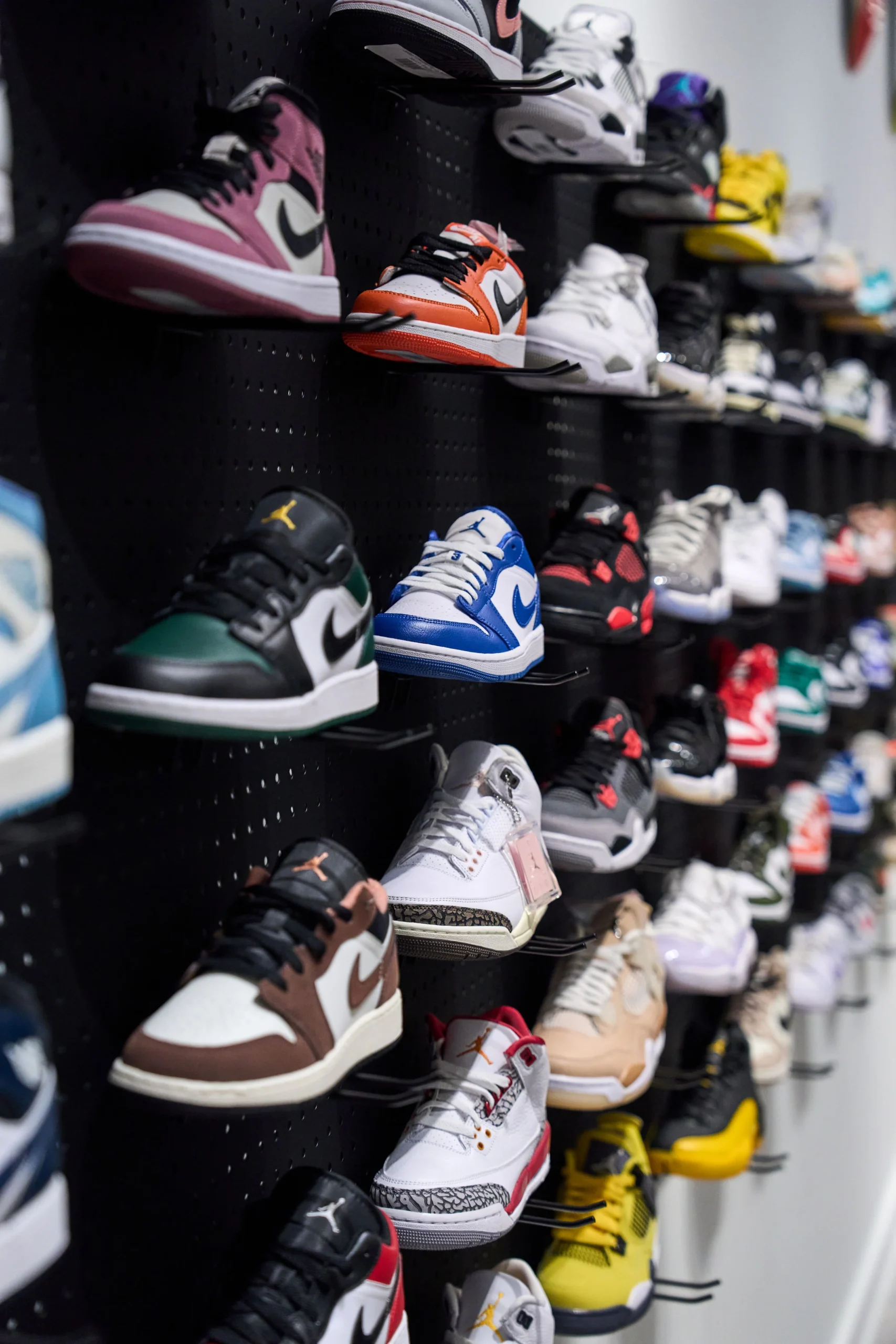
Unlike luxury fashion houses, sneaker boutiques don’t need a “face.”
They need:
- Authentic inventory
- Fair policies
- Cultural credibility
Does This Affect Legitimacy?
No.
A private owner doesn’t make a shop suspicious.
In fact, most respected sneaker boutiques are:
- Independently owned
- Founder-operated
- Community-rooted
Legitimacy comes from:
- Consistent delivery
- Authentic products
- Clear policies
- Real customer experiences
Not from corporate backing.
Bullseye vs Corporate Sneaker Retailers
| Feature | Corporate Retailer | Bullseye Boutique |
|---|---|---|
| Ownership | Public or conglomerate | Private |
| Business Model | Brand partner | Independent reseller |
| Product Type | General releases | Limited & rare |
| Pricing | Retail | Market-based |
| Cultural Role | Mass market | Collector-focused |
They serve different audiences.
What This Means for Buyers
Knowing Bullseye is independently owned tells you:
- It operates in resale culture
- Prices reflect scarcity
- Inventory is curated
- Service style is boutique, not corporate
You’re buying from a sneaker shop—not a factory outlet.
That’s normal in streetwear.
FAQ
Is Bullseye owned by Nike?
No. It’s an independent reseller.
Is there a public CEO?
No. Like most boutiques, it doesn’t promote a corporate leadership structure.
Does private ownership make it unsafe?
No. Most legitimate sneaker boutiques are privately owned.
Internal Reference
Understanding how independent sneaker boutiques work is key in modern streetwear.
We help brands and retailers build trust in resale and DTC ecosystems at
fukiapparel.
