
People often ask this after seeing Hellstar everywhere:
“The brand feels mysterious. Who is actually behind Hellstar?”
I’ve followed streetwear brand building and behind-the-scenes operations for years. Hellstar’s identity is intentionally low-profile, which adds to its mystique—but there is still a real team and creative direction behind it.
Here’s what’s publicly known, and how to think about it without relying on rumors.
Table of Contents
- Quick Answer
- Is Hellstar Founder-Focused or Brand-Focused?
- What We Know About the People Behind Hellstar
- Why Hellstar Keeps Its Team Low-Profile
- How the Team Shapes the Brand’s Identity
- Hellstar vs Founder-Led Streetwear Brands
- Should the Founder Matter to Buyers?
- FAQ
- Conclusion
- Internal Reference
Quick Answer
Hellstar appears to be run by a small creative team rather than a publicly front-facing founder brand.
Its power comes from:
- design language
- symbolism
- cultural positioning
—not from celebrity founders or public personalities.
Is Hellstar Founder-Focused or Brand-Focused?
Some streetwear brands grow by making the founder part of the story.
Hellstar takes the opposite route.
Its strategy appears to be:
- emphasize brand mythology
- keep the creative team mostly anonymous
- let the designs speak louder than personalities
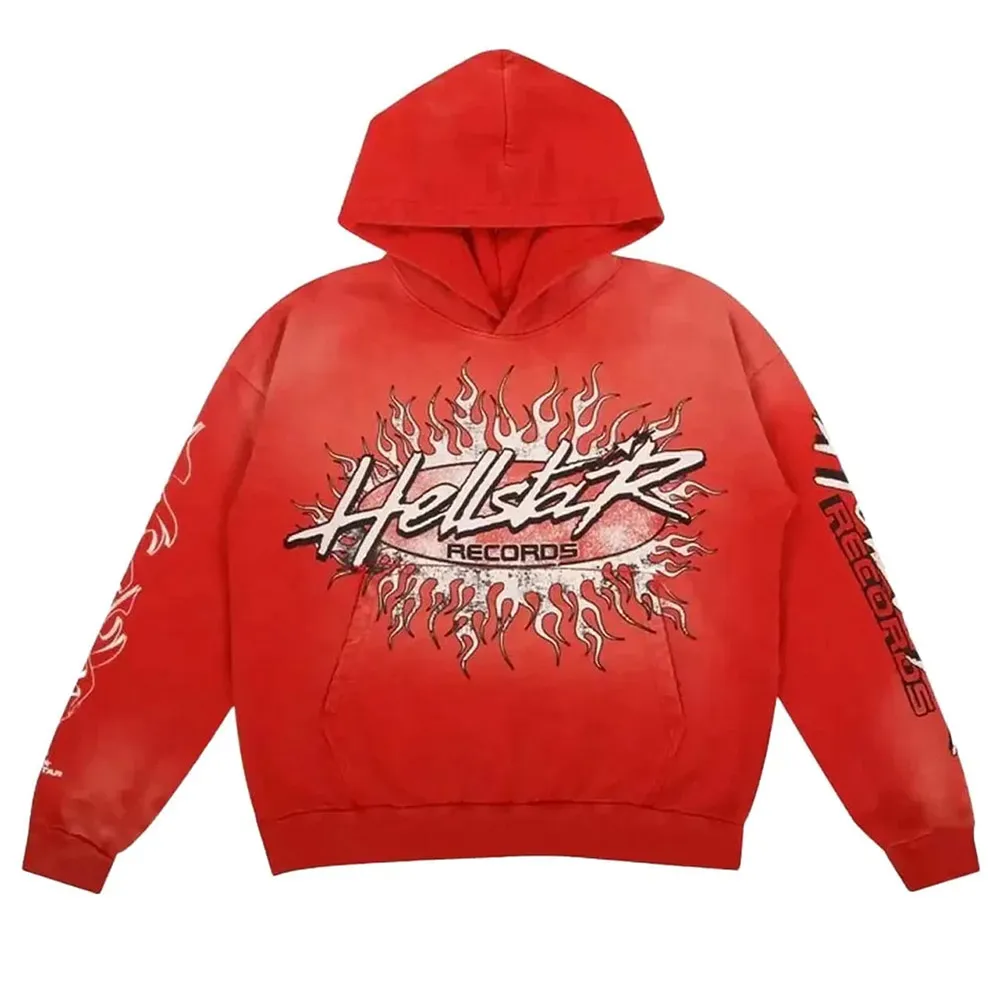
This shifts attention away from who made it and toward what it represents.
What We Know About the People Behind Hellstar
Public information about Hellstar’s founders and operators is limited.
What seems clear is:
- the team has strong visual and streetwear design awareness
- the brand is professionally produced, not a casual side project
- product consistency suggests experienced creative direction
From a brand perspective, this usually indicates a team that understands:
- product development
- drop strategy
- visual identity
- cultural timing
Some modern streetwear brands intentionally avoid founder-centric storytelling and instead build mystery around the label itself.
Why Hellstar Keeps Its Team Low-Profile
Keeping the team in the background can serve several purposes:
- protects the brand mystique
- avoids personal controversy affecting the label
- keeps focus on symbolism and emotion
- lets customers project their own meaning onto the brand
In streetwear, mystery can be a real brand asset.
Sometimes not explaining everything makes the brand feel stronger.
How the Team Shapes the Brand’s Identity
From a brand-building point of view, Hellstar’s team seems focused on:
- consistent symbolism
- recognizable graphic language
- controlled scarcity
- cultural placement
That consistency suggests coordinated creative direction, even if the individuals behind it are not public figures.
The brand feels intentional, not random.
That usually comes from a team with a clear internal vision.
Hellstar vs Founder-Led Streetwear Brands
| Approach | Founder-Led Brands | Hellstar |
|---|---|---|
| Public face | Founder as brand | Brand as identity |
| Storytelling | Personal journey | Symbolic narrative |
| Risk | Founder controversies | Lower personal risk |
| Fan connection | Personality-driven | Idea-driven |
Hellstar chooses idea-driven branding over personality-driven branding.
That makes it feel less personal in one way—but often more mythic in another.
Should the Founder Matter to Buyers?
In practice, most buyers care more about:
- design
- fit
- quality
- cultural relevance
than about corporate structure.
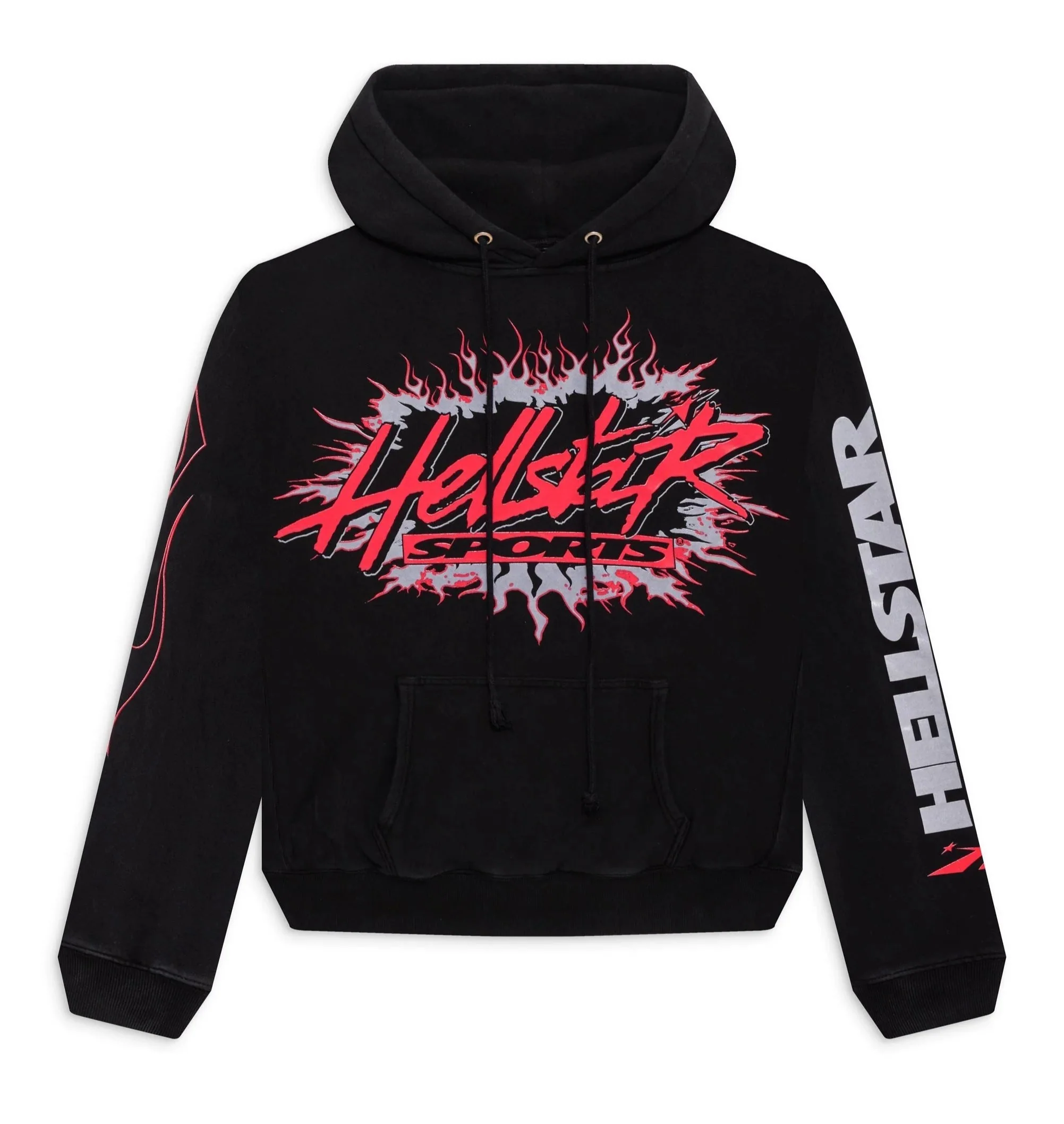
If you connect with the product and the message, the anonymity of the team usually does not reduce the value.
For some buyers, it actually increases the appeal.
FAQ
Is Hellstar owned by a celebrity?
There is no public confirmation of celebrity ownership.
Is Hellstar an independent brand?
It appears to operate like an independent streetwear label.
Why don’t they reveal the founders?
Keeping the team low-profile helps preserve mystique and keeps focus on the brand itself.
Conclusion
So—who is behind Hellstar?
The most accurate answer is:
a small, experienced creative team operating with intentional low visibility.
The brand is designed to feel bigger than any one person.
That is part of what gives it power.
Internal Reference
If you’re building a streetwear brand and deciding whether to spotlight the founders or let the brand identity lead, understanding both strategies matters.
We help brands develop identity-first streetwear through product development, low-MOQ manufacturing, and long-term brand support.
Because in modern streetwear, the idea often matters more than the name behind it.
