
If you've been browsing modern streetwear or Instagram fashion brands, you may have come across Seventh Clothing.
It has a clean aesthetic, minimal branding, and a strong presence in online fashion culture.
But many people still ask:
Where is Seventh Clothing from?
From my experience working with streetwear brands and apparel manufacturing, this type of brand often builds its identity around global online culture rather than a single physical retail location.
In this guide, I’ll explain where Seventh Clothing comes from, what it represents, and how brands like it operate in today’s fashion industry.
Table of Contents
- Quick Answer
- Where Is Seventh Clothing From?
- What Kind of Brand Is Seventh Clothing?
- Why Its Origin Is Hard to Identify
- How Brands Like Seventh Clothing Work
- Comparison With Similar Streetwear Brands
- Lessons for Fashion Brands
- FAQ
- Final Thoughts
Quick Answer
Seventh Clothing does not have a clearly publicly confirmed physical origin like traditional fashion houses.
Instead, it operates as a modern streetwear-style brand that is primarily distributed online, often associated with global e-commerce and social media-driven fashion culture.
👉 In simple terms:
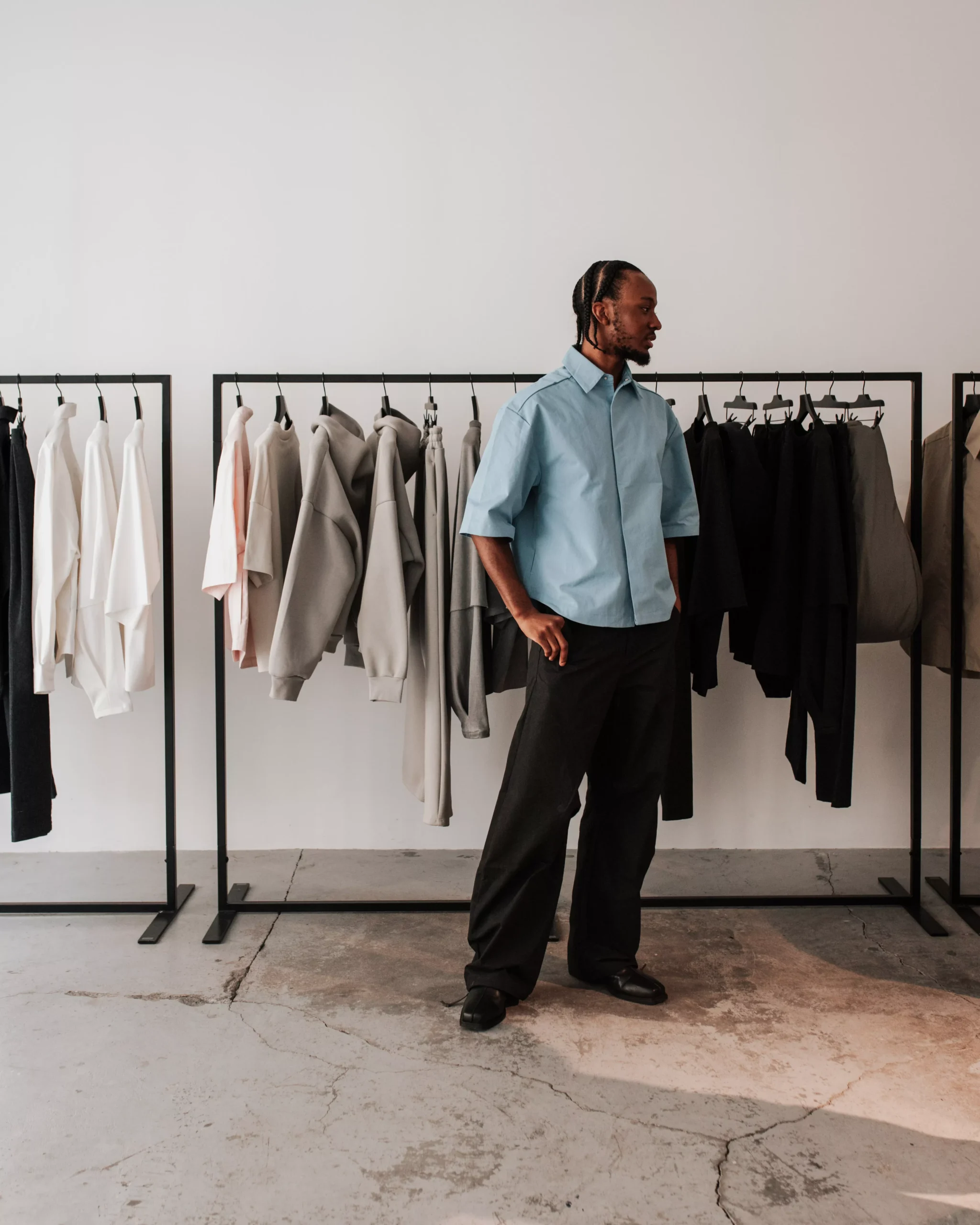
- It is not strongly tied to a single fashion capital (like Paris, Milan, or Tokyo)
- It operates in a digital-first streetwear model
- Its identity is shaped more by branding than geography
Where Is Seventh Clothing From?
Unlike heritage brands that clearly originate from cities like London or New York, Seventh Clothing is part of a new wave of internet-born fashion brands.
These brands often:
- Sell primarily through e-commerce platforms
- Build identity through social media marketing
- Target global audiences instead of local markets
- Focus on branding over geographic storytelling
From my perspective in apparel manufacturing, this is a growing trend in modern streetwear—brands are no longer defined by location, but by digital presence and audience reach.
What Kind of Brand Is Seventh Clothing?
Seventh Clothing is best described as:
- Minimal streetwear brand
- Online-first fashion label
- Trend-driven apparel company
- Social media-focused clothing brand
Typical products include:
- Hoodies
- T-shirts
- Sweatpants
- Caps and accessories
Design style often focuses on:
- Clean typography
- Neutral tones
- Simple branding
- Everyday wearable fits
Why Its Origin Is Hard to Identify
There are a few reasons why many people are unsure about its origin.
1. Digital-first business model
Many modern brands operate without physical flagship stores.
2. Global manufacturing
Production is often outsourced internationally, especially in:
- China
- Turkey
- Portugal
- Southeast Asia
This removes strong geographic identity.
3. Branding over location
Some fashion labels intentionally focus on identity and aesthetics rather than origin storytelling.
How Brands Like Seventh Clothing Work
From my experience working with OEM clothing production, brands like Seventh Clothing typically follow this model:
Step 1: Brand Creation
- Name + logo design
- Minimal visual identity
Step 2: Online Marketing
- Instagram branding
- Influencer seeding
- TikTok fashion content
Step 3: OEM Manufacturing
Products are produced by third-party factories based on:
- Tech packs
- Fabric selection
- Sample approvals
For example, many emerging streetwear brands work with OEM suppliers like:
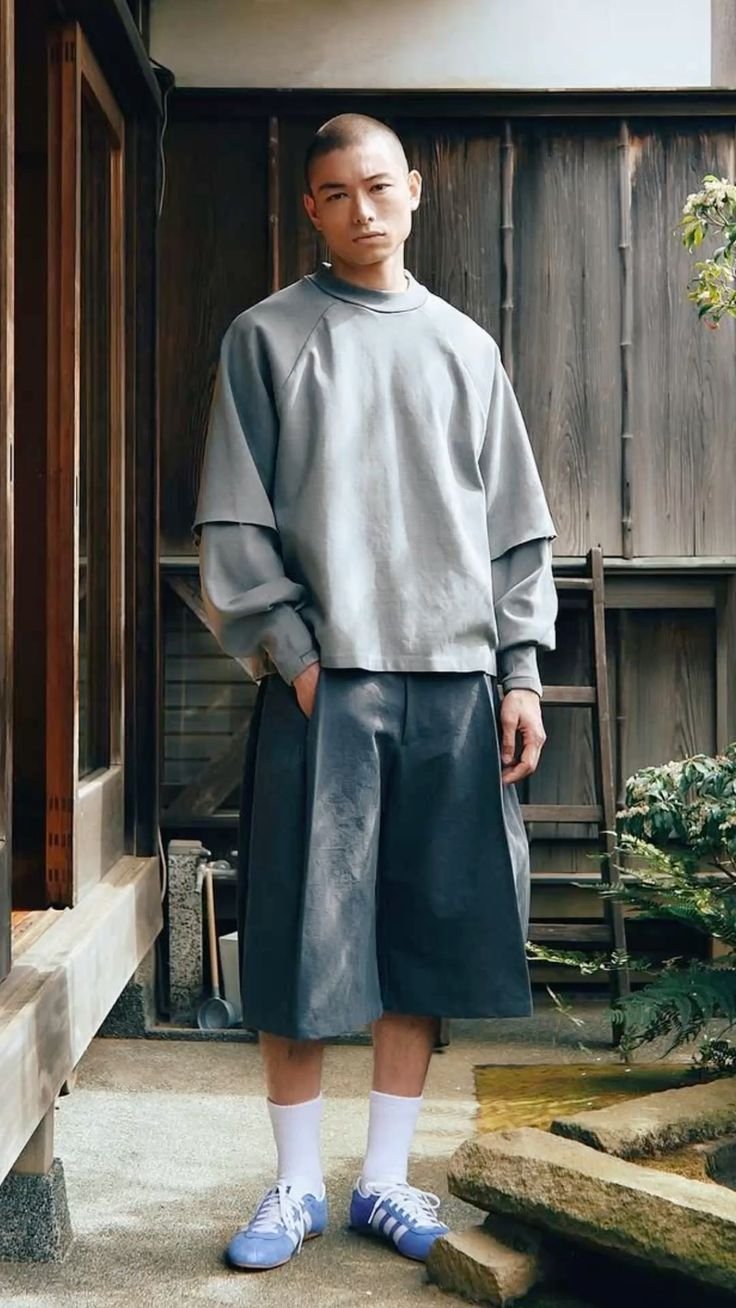
👉 Fuki Apparel
Specializing in private label streetwear production including hoodies, T-shirts, cargo pants, and custom garments.
Step 4: Global Fulfillment
Orders are shipped directly to customers worldwide via:
- Shopify stores
- Dropshipping systems
- Fulfillment partners
Comparison With Similar Streetwear Brands
| Brand Type | Origin Style | Identity Focus | Distribution |
|---|---|---|---|
| Seventh Clothing | Digital-first | Branding & aesthetics | Online-only |
| Nike | USA | Sports heritage | Global retail |
| Stüssy | USA | Surf/skate culture | Retail + online |
| Carhartt WIP | USA/Europe | Workwear legacy | Retail + fashion stores |
| Fear of God | USA | Luxury streetwear | High-end retail |
Lessons for Fashion Brands
From my experience in apparel manufacturing, brands like Seventh Clothing highlight a major shift in the industry.
1. Location matters less than identity
Modern consumers care more about aesthetics than geography.
2. Branding is everything
A strong visual identity can replace traditional brand heritage.
3. OEM manufacturing enables speed
Most emerging brands rely on factories rather than in-house production.
👉 This is where manufacturers like Fuki Apparel play a key role in helping startups scale quickly.
4. Social media drives growth
Platforms like TikTok and Instagram are now primary fashion discovery channels.
FAQ
Where is Seventh Clothing based?
There is no widely verified single physical headquarters publicly associated with the brand; it operates mainly as an online fashion label.
Is Seventh Clothing a luxury brand?
No, it is generally positioned as a mid-tier or fast-growing streetwear brand.
Is Seventh Clothing a dropshipping brand?
Some online-first fashion labels operate using dropshipping or OEM production models, but exact fulfillment structures can vary.
Why is Seventh Clothing popular?
Because of social media marketing, minimal aesthetic design, and trend-driven branding.
Who manufactures Seventh Clothing products?
Like many modern streetwear brands, production is typically outsourced to OEM factories in Asia or Europe.
Final Thoughts
From my perspective, Seventh Clothing represents a new generation of fashion brands that are no longer defined by geography.
Instead, they are defined by:
- Online identity
- Visual branding
- Global manufacturing networks
- Social media influence
For entrepreneurs, this model shows that you don’t need a physical fashion capital to build a brand—you need a clear identity and a reliable production system.
If you're planning to build your own streetwear label, working with an experienced OEM partner like:
can help you turn digital designs into real, high-quality garments ready for global markets.
