
Table of Contents
- Quick Answer
- Why the First Drop Matters for a Streetwear Brand
- Define Your Brand Identity Before Anything Else
- Understand Your Target Audience
- Design a Focused Capsule Collection
- Choose the Right Manufacturing Partner
- Set the Right Pricing Strategy
- Create Hype Before Launch Day
- Streetwear Drop Planning Checklist
- Common Mistakes When Launching a First Drop
- FAQ
- Conclusion
- Internal Reference
Quick Answer
Launching your first streetwear drop is one of the most important moments for a new clothing brand.
Before releasing products, make sure you have:
- A clear brand identity
- A focused product lineup
- Reliable manufacturing
- A marketing plan that builds hype
- Limited inventory to create exclusivity
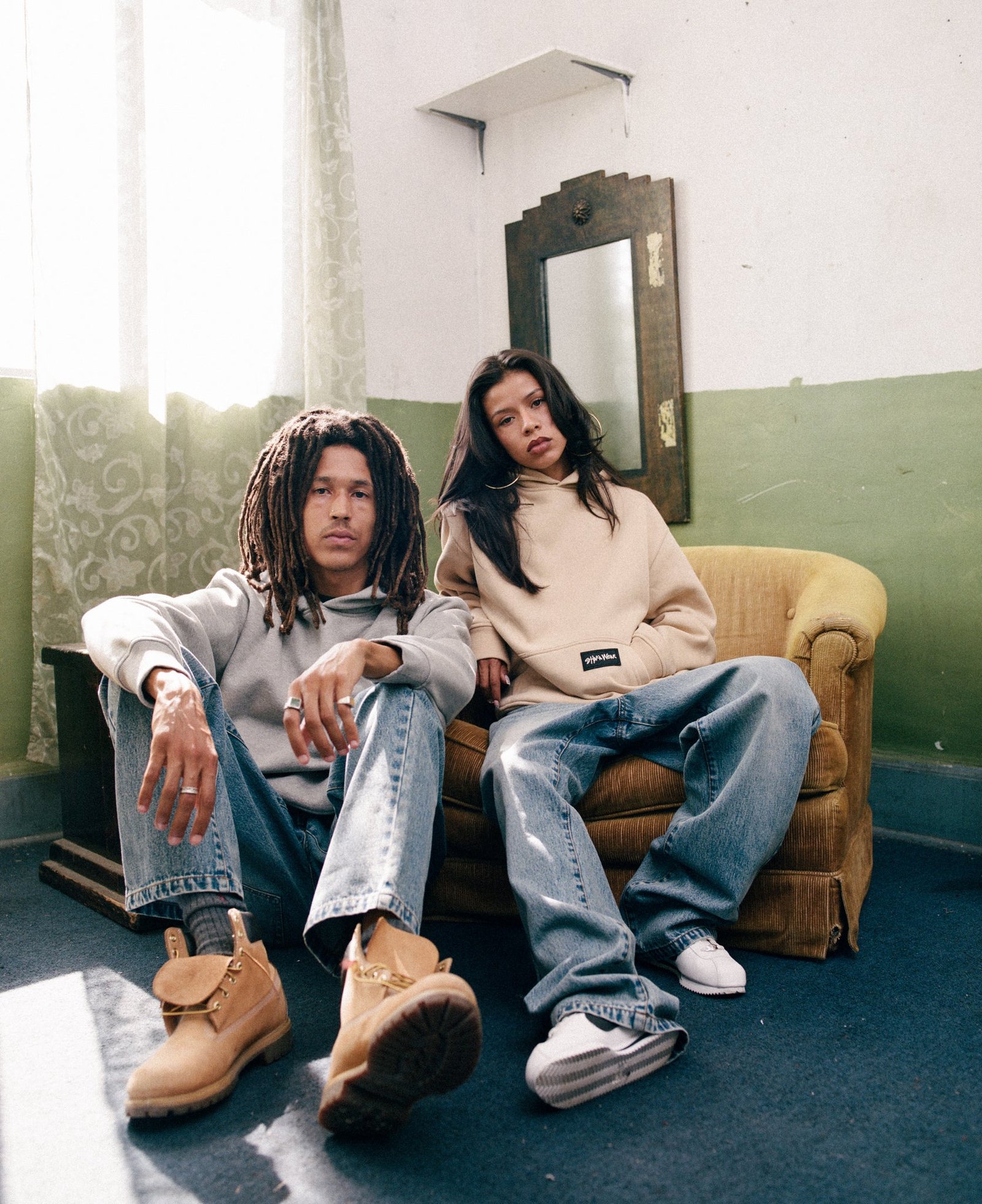
From my experience observing how new streetwear brands launch collections, the most successful first drops are small, focused, and community-driven rather than large product launches.
Why the First Drop Matters for a Streetwear Brand
In streetwear culture, product launches are often called “drops.”
Unlike traditional retail releases, drops emphasize:
- exclusivity
- anticipation
- limited availability
Streetwear consumers often view drops as cultural moments rather than simple product releases.
Industry analysis from Hypebeast – Streetwear Culture shows that limited drops are one of the main drivers behind streetwear brand growth.
A strong first drop can establish your brand identity and attract early supporters.
Define Your Brand Identity Before Anything Else
Many new brands rush into production without defining what their brand represents.
Before launching your first drop, ask:
- What culture or community does your brand represent?
- What makes your designs different?
- What story are you telling?
Streetwear brands that succeed often build identity around:
- music culture
- art communities
- skate or urban lifestyle
Clear identity makes your drop more memorable.
Understand Your Target Audience
Not every streetwear product appeals to the same audience.
Before designing products, identify who your brand is for.
Examples include:
- Audience: Skate culture – Style Preference: Relaxed silhouettes
- Audience: Fashion enthusiasts – Style Preference: Experimental designs
- Audience: Everyday consumers – Style Preference: Clean casual streetwear
Understanding your audience helps guide product design and marketing.
Fashion industry research from Business of Fashion – Streetwear Market Insights suggests that brands with clear target audiences build stronger long-term loyalty.
Design a Focused Capsule Collection
Your first drop should not include too many products.
Most successful streetwear brands begin with a small capsule collection.
Recommended Starter Products
- Graphic T-shirts
- Hoodies
- Caps
- Sweatshirts
A smaller collection allows brands to focus on:
- design quality
- product consistency
- stronger brand identity
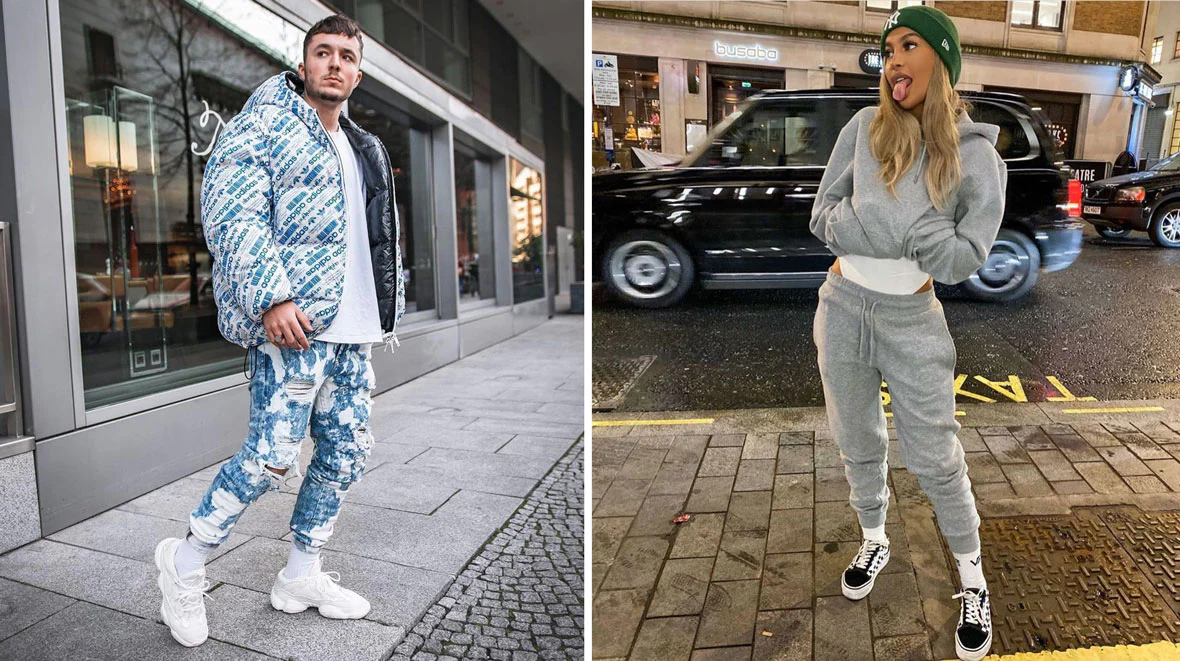
Capsule drops also reduce financial risk.
Choose the Right Manufacturing Partner
Product quality will strongly influence how customers perceive your brand.
When choosing a manufacturer, consider:
- Fabric quality
- Customization options
- Minimum order quantities
- Production reliability
Reliable manufacturers help ensure consistent product quality.
Choosing the right production partner can prevent many early-stage problems.
Set the Right Pricing Strategy
Pricing plays an important role in streetwear perception.
Streetwear brands rarely succeed by being the cheapest option.
Instead, pricing should reflect:
- brand identity
- garment quality
- design value
Typical price ranges for new brands include:
| Product | Typical Retail Price |
|---|---|
| Graphic T-shirt | $40–$70 |
| Hoodie | $80–$150 |
| Jacket | $120–$250 |
Pricing too low can weaken brand perception.
Create Hype Before Launch Day
Streetwear drops often rely on anticipation.
Before launching your first drop, build excitement through:
- teaser posts on social media
- behind-the-scenes design content
- influencer collaborations
- community engagement
Streetwear media platforms like Highsnobiety – Streetwear Industry frequently highlight how successful brands build hype weeks before release.
The goal is to make your drop feel like an event.
Streetwear Drop Planning Checklist
Before launch day, review this checklist:
| Task | Completed |
|---|---|
| Brand identity defined | ✓ |
| Target audience identified | ✓ |
| Capsule collection designed | ✓ |
| Manufacturing arranged | ✓ |
| Pricing finalized | ✓ |
| Marketing content prepared | ✓ |
This checklist helps ensure your launch runs smoothly.
Common Mistakes When Launching a First Drop
Many new brands struggle because they make common mistakes.
Launching Too Many Products
A large product lineup increases risk and complexity.
Ignoring Product Quality
Poor-quality garments damage brand reputation immediately.
Weak Marketing
Even great products need strong promotion.
Streetwear success often depends as much on storytelling and culture as product design.
FAQ
How many items should be in a first streetwear drop?
Most new brands launch with 3–6 products.
Should the first drop be limited?
Yes. Limited quantities help create exclusivity and demand.
How long should you promote a drop before launch?
Many brands build hype for 2–4 weeks before release.
Can a first drop succeed without a large budget?
Yes. Authentic storytelling and community engagement often matter more than advertising budgets.
Conclusion
Launching your first streetwear drop requires more than good designs.
Successful drops combine:
- strong brand identity
- focused product collections
- reliable manufacturing
- community-driven marketing
By planning carefully and keeping the launch focused, new brands can create drops that attract attention and build loyal audiences.
Internal Reference
If you're preparing to launch your first streetwear drop and need reliable production support, explore:
👉 Fuki Apparel – Streetwear Manufacturing Solutions
Professional manufacturing partners can help turn streetwear concepts into high-quality apparel collections.
