
If you’ve noticed Hellstar popping up in music videos or Instagram posts, you’re not imagining it:
“Which rappers actually wear Hellstar?”
I track streetwear adoption closely, and Hellstar’s growth is tied to organic artist co-signs, not just marketing. When rappers wear a brand because it fits their image, the visibility hits differently.
Here’s a grounded look at who’s worn Hellstar—and why that matters.
Table of Contents
- Quick Answer
- Why Rappers Gravitate Toward Hellstar
- Rappers Commonly Seen in Hellstar
- How Artist Co-Signs Drive Popularity
- Hellstar in Music Videos and Performances
- Hellstar vs Brands Without Artist Co-Signs
- Should You Buy Hellstar Because Rappers Wear It?
- FAQ
- Conclusion
- Internal Reference
Quick Answer
Hellstar has been worn by several high-visibility rappers and hip-hop artists, which helped push it into mainstream streetwear culture.
Artist visibility acts as social proof—but it’s the brand’s identity that keeps people interested.
Why Rappers Gravitate Toward Hellstar
From what I’ve observed, rappers choose Hellstar because:
- The dark, symbolic visuals fit hip-hop aesthetics
- The brand feels underground, not corporate
- Limited drops make pieces feel exclusive
- The designs photograph well on social media
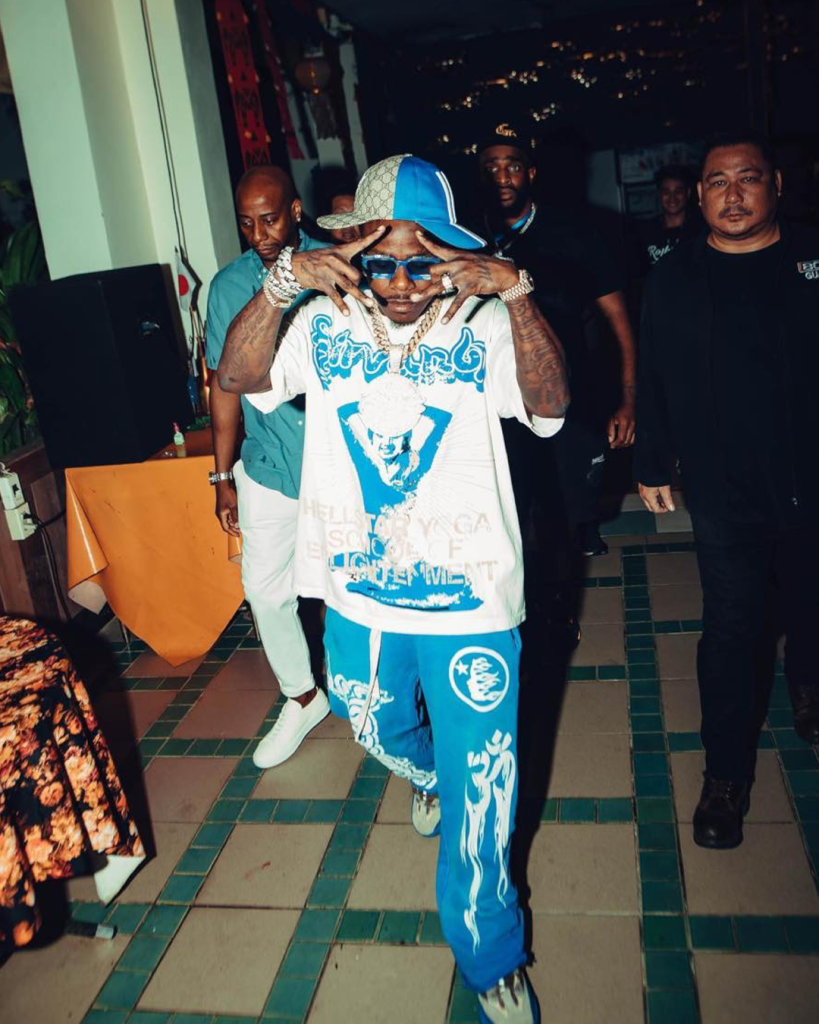
Artists care about visual identity as much as music—and Hellstar fits that image-driven world.
Rappers Commonly Seen in Hellstar
While Hellstar doesn’t run heavy paid endorsements, the brand has been seen on:
- Playboi Carti
- Lil Uzi Vert
- Travis Scott (street sightings)
- Don Toliver
These sightings often come from:
- Candid street photos
- Studio sessions
- Social media posts
Streetwear outlets like Hypebeast and Highsnobiety frequently track how artists influence emerging streetwear brands.
Note: Artist visibility changes over time, and not every appearance equals an official partnership.
How Artist Co-Signs Drive Popularity
When rappers wear Hellstar:
- Fans notice
- Demand increases
- Resale prices spike
- The brand gains cultural validation
This effect is powerful because it feels organic, not like traditional ads.
Hellstar in Music Videos and Performances
Hellstar’s graphic style works well on camera:
- High contrast designs
- Dark tones under stage lighting
- Bold chest graphics that read clearly
That’s why the brand shows up in:
- Behind-the-scenes clips
- Performance fits
- Studio visuals
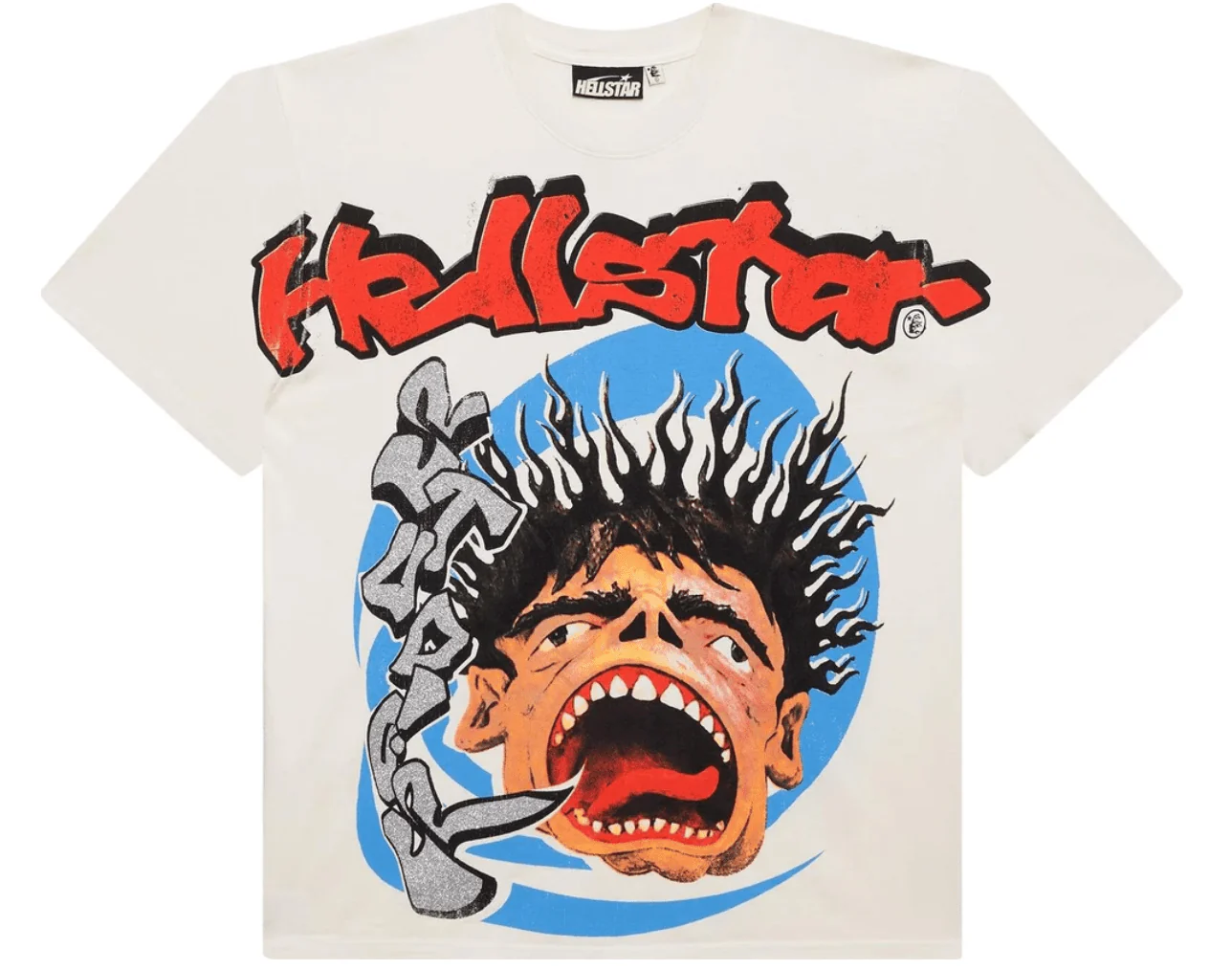
Visibility compounds popularity.
Hellstar vs Brands Without Artist Co-Signs
| Factor | With Rapper Visibility | Without |
|---|---|---|
| Cultural traction | Faster | Slower |
| Social proof | High | Low |
| Demand growth | Accelerated | Organic |
| Perceived relevance | Trend-forward | Niche |
Hellstar benefits from being worn in real cultural contexts, not just lookbooks.
Should You Buy Hellstar Because Rappers Wear It?
My honest take:
Buy Hellstar if you:
- Like the designs
- Connect with the brand’s mood
- Want limited streetwear
Don’t buy Hellstar if:
- You only care about celebrity validation
- You expect guaranteed resale profit
- You prefer minimalist basics
Celebrity visibility is a signal—not a reason.
FAQ
Are these official Hellstar endorsements?
Not necessarily. Most sightings appear organic.
Does Hellstar pay rappers to wear it?
There’s no public confirmation of paid partnerships.
Will more artists wear Hellstar?
If the brand stays culturally relevant, likely yes.
Conclusion
So—what rappers wear Hellstar?
Several high-profile hip-hop artists have been seen wearing Hellstar, helping drive its popularity through organic cultural exposure.
But Hellstar’s staying power comes from identity and design, not just who wears it.
Internal Reference
If you’re building a streetwear brand and want to understand how artist visibility and cultural placement accelerate brand growth, aligning product design with cultural contexts matters.
Explore how culture-driven streetwear brands are developed at
👉 fukiapparel
Because in streetwear,
culture moves faster than ads.
