
Most fashion brands don't fail because of bad ideas.
They fail because of production mistakes.
I've worked with many startup streetwear and apparel brands over the years, and one thing has become clear:
A great design cannot save poor production decisions.
Many founders spend months developing logos, mood boards, and marketing campaigns.
Then they rush through production.
Unfortunately, that's often where things start to fall apart.
Missed deadlines, sizing issues, poor fabric choices, inventory problems, and quality defects can destroy customer trust before a brand even has a chance to grow.
In this guide, I'll explain the most common production mistakes that kill new fashion brands and show you how to avoid them.
Table of Contents
- 1. Why Production Matters More Than Most Founders Think
- 2. Mistake #1: Skipping the Sampling Process
- 3. Mistake #2: Choosing the Cheapest Manufacturer
- 4. Mistake #3: Ordering Too Much Inventory
- 5. Mistake #4: Poor Fabric Selection
- 6. Mistake #5: Weak Quality Control
- 7. Mistake #6: Unrealistic Production Timelines
- 8. Mistake #7: Incomplete Tech Packs
- 9. Mistake #8: Ignoring Scalability
- 10. Production Risk Assessment Framework
- 11. FAQ
- Final Thoughts
1. Why Production Matters More Than Most Founders Think
Many founders focus on branding.
Successful founders focus on execution.
Production affects:
- Product quality
- Customer satisfaction
- Delivery speed
- Profit margins
- Brand reputation

Brand Success Formula
| Area | Importance |
|---|---|
| Product Design | High |
| Marketing | High |
| Production | Very High |
| Customer Experience | Very High |
A customer may buy because of marketing.
But they return because of product quality.
2. Mistake #1: Skipping the Sampling Process
This is one of the most expensive mistakes new brands make.
Some founders try to save money by skipping samples and moving directly into bulk production.
Why This Is Dangerous
Without a sample, you cannot properly evaluate:
- Fit
- Fabric
- Construction
- Printing
- Embroidery
- Color accuracy
Sample vs Bulk Risk
| Approach | Risk Level |
|---|---|
| Sample First | Low |
| Bulk Without Sample | Extremely High |
My Recommendation
Always approve a physical sample before starting production.
Helpful resources:
3. Mistake #2: Choosing the Cheapest Manufacturer
New brands often compare factories based only on price.
This is understandable.
But it can become expensive later.
Hidden Costs of Cheap Production
- Higher defect rates
- Delayed shipments
- Poor communication
- Inconsistent sizing
- Customer complaints
Factory Selection Comparison
| Criteria | Cheap Factory | Reliable Factory |
|---|---|---|
| Price | Low | Medium |
| Quality Consistency | Low | High |
| Communication | Low | High |
| Long-Term Value | Low | High |
The cheapest quote rarely becomes the cheapest outcome.
4. Mistake #3: Ordering Too Much Inventory
Many founders become overly optimistic.
They assume everything will sell immediately.
Common Startup Mistake
Launching:
- 10 SKUs
- Multiple colorways
- Large inventory quantities
before demand is proven.
Smarter Launch Strategy
| Stage | Suggested Quantity |
|---|---|
| Validation | 100–300 pcs |
| Growth | 500–1,000 pcs |
| Scaling | 2,000+ pcs |
Start small.
Scale based on data.
5. Mistake #4: Poor Fabric Selection
Fabric decisions affect:
- Comfort
- Durability
- Fit
- Brand perception
Common Fabric Mistakes
❌ Choosing based on price alone
❌ Ignoring shrinkage
❌ Ignoring GSM
❌ Ignoring washing performance
Example
| Fabric | Typical Use |
|---|---|
| 180 GSM Cotton | Lightweight Tees |
| 240 GSM Cotton | Premium Tees |
| 350 GSM Fleece | Hoodies |
| French Terry | Sweatpants |
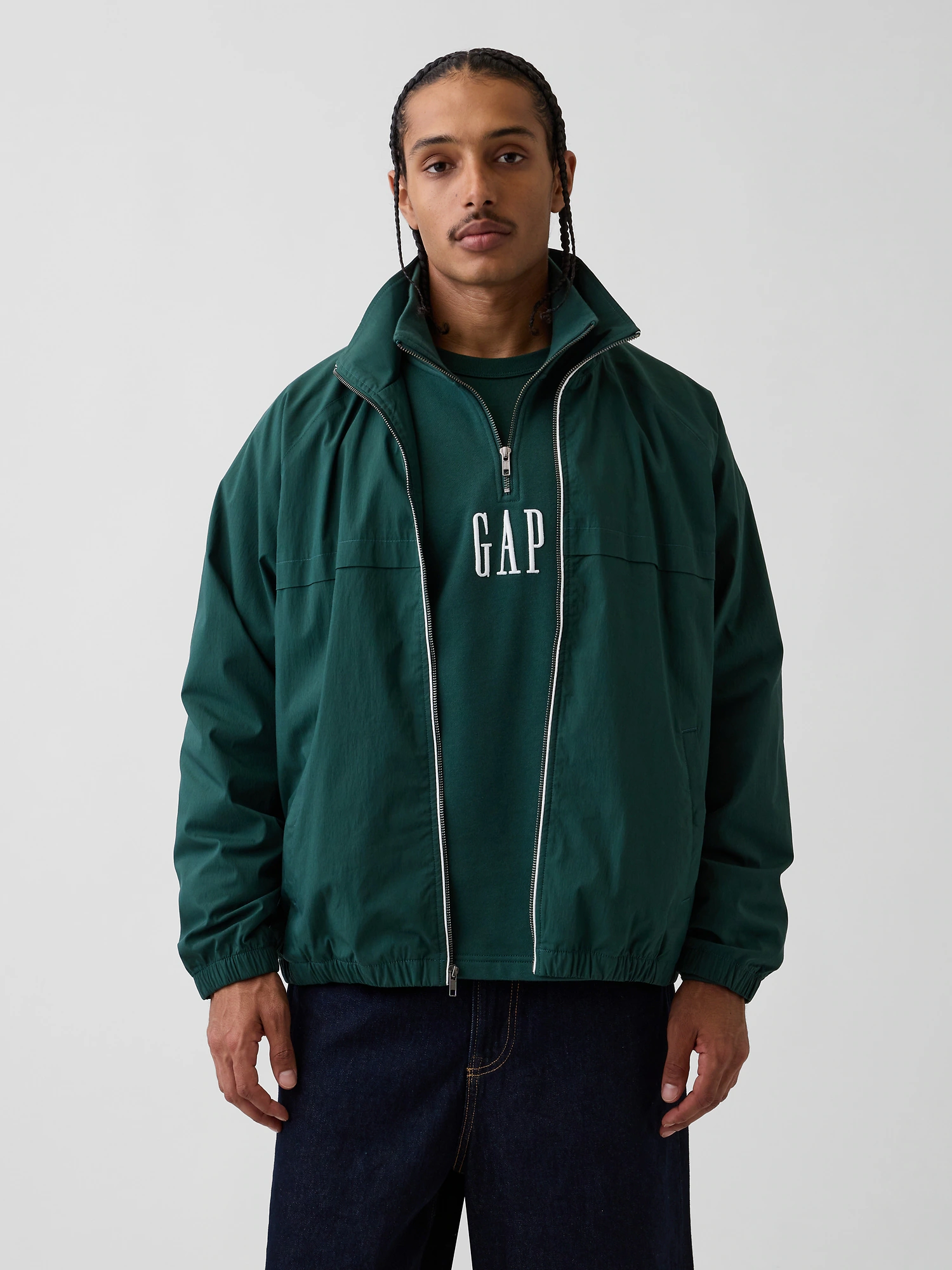
A better fabric often creates a better customer experience.
6. Mistake #5: Weak Quality Control
Quality control isn't optional.
It's a system.
Areas That Require Inspection
- Measurements
- Stitching
- Printing
- Embroidery
- Packaging
QC Process Example
| Stage | Inspection |
|---|---|
| Fabric Arrival | Material Check |
| Production | In-Line Inspection |
| Finished Goods | Final Inspection |
| Packing | Packaging Check |
The earlier problems are found, the cheaper they are to fix.
7. Mistake #6: Unrealistic Production Timelines
Many founders underestimate how long production actually takes.
Typical Timeline
| Stage | Estimated Time |
|---|---|
| Sampling | 1–3 Weeks |
| Revisions | 1 Week |
| Fabric Sourcing | 1–3 Weeks |
| Production | 3–5 Weeks |
| Shipping | 1–6 Weeks |
Common Mistake
Launching marketing campaigns before production is confirmed.
This creates unnecessary pressure and customer frustration.
8. Mistake #7: Incomplete Tech Packs
Factories are not mind readers.
Many production issues begin with poor documentation.
A Good Tech Pack Includes
- Measurements
- Fabric details
- Color references
- Print locations
- Label instructions
- Construction notes
Documentation Impact
| Tech Pack Quality | Production Risk |
|---|---|
| Detailed | Low |
| Incomplete | High |
| Missing | Very High |
Clear instructions create better results.
9. Mistake #8: Ignoring Scalability
Some brands focus only on their first drop.
Successful brands think beyond it.
Questions To Consider
- Can the manufacturer handle larger orders?
- Can lead times remain stable?
- Is quality consistent at higher volumes?
Growth Planning
| Business Stage | Production Focus |
|---|---|
| Startup | Validation |
| Growth | Consistency |
| Scaling | Capacity |
Planning ahead prevents future bottlenecks.
10. Production Risk Assessment Framework
Before every production run, evaluate risk.
Production Health Checklist
Product
✔ Approved sample
✔ Fabric confirmed
✔ Tech pack completed
Manufacturer
✔ Capacity verified
✔ Timeline confirmed
✔ QC process reviewed
Business
✔ Demand validated
✔ Budget secured
✔ Inventory planned
Risk Scoring
| Score | Risk Level |
|---|---|
| 8–10 Yes Answers | Low Risk |
| 5–7 Yes Answers | Medium Risk |
| Below 5 Yes Answers | High Risk |
This simple framework can prevent many costly mistakes.
11. FAQ
What is the biggest production mistake new brands make?
Skipping samples and moving directly into bulk production.
Should I choose the lowest factory quote?
No. Quality, communication, and reliability matter more.
How many samples should I develop?
At least one approved sample, often with revisions.
How can I reduce production risk?
Use detailed tech packs, approved samples, and strong quality control systems.
When should I increase inventory?
Only after demand has been validated.
Final Thoughts
Most fashion brands aren't destroyed by bad designs.
They're damaged by avoidable production mistakes.
The most common causes include:
- Skipping samples
- Poor factory selection
- Weak quality control
- Inventory mistakes
- Incomplete documentation
From my experience, successful founders approach production like a system—not a transaction.
Remember:
The easiest production problem to solve is the one you prevent before production starts.
If you're looking for support with product development, sampling, quality control, and manufacturing, explore:
Industry resources:
Strong production systems create strong brands.
Poor production decisions can destroy them before they have a chance to grow.
