
Table of Contents
- Quick Answer
- The Origin of Ksubi: Country and Background
- Why Ksubi Is Often Confused With Other Nationalities
- How Ksubi’s Australian Roots Shaped the Brand
- Ksubi vs Brands From Other Countries
- What Nationality Means for Buyers and Brands
- FAQ
- Conclusion
- Internal Reference
Quick Answer
Ksubi is an Australian brand.
Its nationality is Australian, as it was founded in Sydney, Australia.
From my experience working with denim and streetwear brands, Ksubi is often mistaken for a Japanese or American label—but its creative roots and brand DNA are clearly Australian.
The Origin of Ksubi: Country and Background
Ksubi was founded in Sydney, Australia, in 1999.
Key origin facts:
- Country of origin: Australia
- City: Sydney
- Original name: Tsubi
- Core category: denim and streetwear
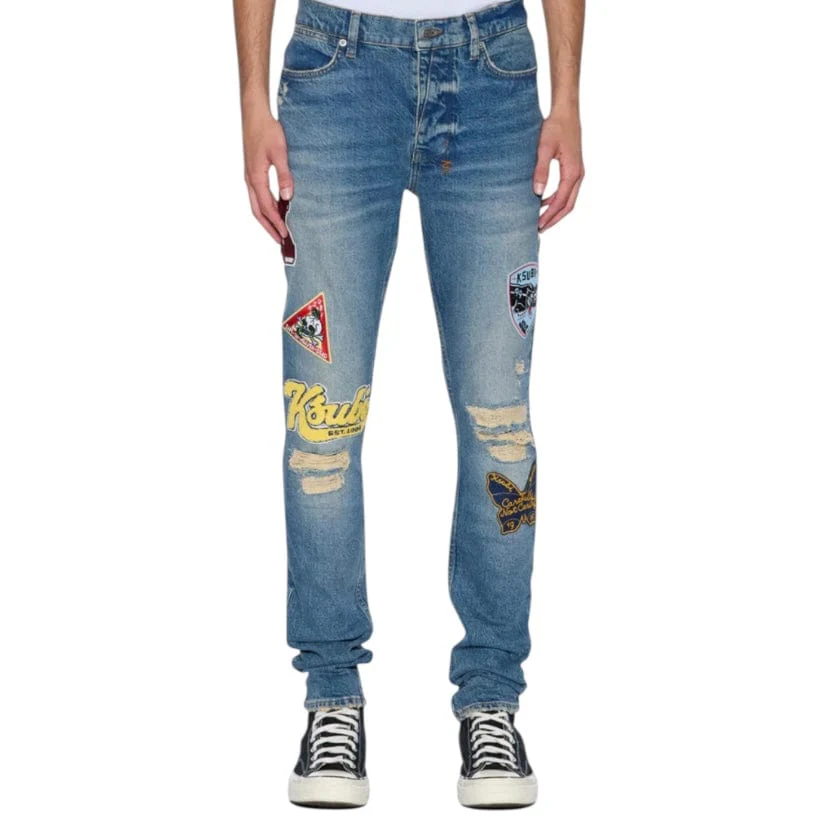
The brand emerged from a local scene influenced by surf culture, skate culture, punk, and anti-fashion attitudes, which were prominent in Australia at the time.
Official brand reference:
https://ksubi.com
Why Ksubi Is Often Confused With Other Nationalities
Despite being Australian, Ksubi is frequently misidentified as coming from other countries.
1. Confusion With Japan
Many people assume Ksubi is Japanese because:
- the name sounds Japanese
- the brand focuses heavily on denim
- Japan is strongly associated with premium denim culture
However, name resemblance and category focus do not equal nationality.
2. Confusion With the United States
Others believe Ksubi is American because:
- it is popular in US streetwear culture
- many American celebrities wear it
- it has strong retail presence in the US
Popularity in a country does not change where a brand comes from.
How Ksubi’s Australian Roots Shaped the Brand
Ksubi’s nationality matters because it explains its attitude.
Australian fashion culture tends to value:
- rebellion over tradition
- attitude over polish
- experimentation over heritage
From a brand-development perspective, this explains why Ksubi:
- rejects classic denim “rules”
- embraces extreme distressing
- prioritizes visual impact
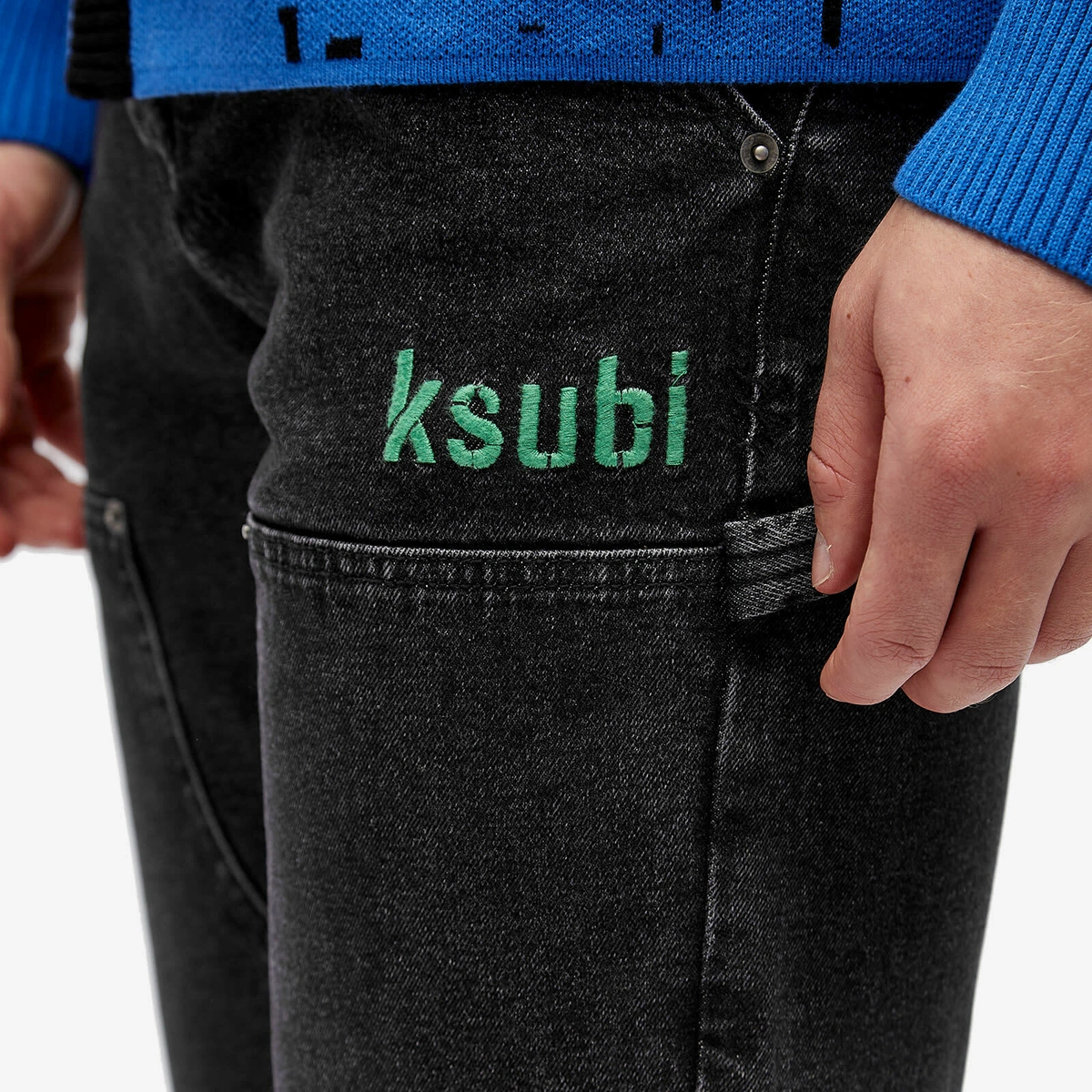
These traits are very different from Japanese heritage denim or European luxury fashion.
Ksubi vs Brands From Other Countries
| Country | Typical Brand Focus | How Ksubi Compares |
|---|---|---|
| Australia | Youth culture, rebellion | ✔ Matches closely |
| Japan | Craft, heritage, fabric | ❌ Different philosophy |
| United States | Mass-market & streetwear | Partial overlap |
| Europe | Luxury & tailoring | ❌ Not aligned |
This comparison helps explain why Ksubi feels global, but doesn’t fit neatly into other national fashion stereotypes.
What Nationality Means for Buyers and Brands
If you’re a buyer:
- Don’t expect Japanese-style heritage denim
- Expect fashion-forward, expressive design
If you’re building or sourcing a brand:
- Ksubi is a strong case study in Australian streetwear going global
- It shows how national identity can influence brand tone without limiting reach
From my experience, understanding nationality helps set realistic expectations, especially around quality, pricing, and design intent.
FAQ
Is Ksubi a Japanese brand?
No. Ksubi is Australian.
Is Ksubi an American brand?
No. It is popular in the US, but not American.
Why does Ksubi sound Japanese?
The original name “Tsubi” resembles Japanese phonetics, which causes confusion.
Does Ksubi still identify as Australian today?
Yes. Despite being global, its origin and creative roots are Australian.
Conclusion
If you’re asking “What nationality is Ksubi?”, the answer is simple and clear:
Ksubi is an Australian brand.
From my perspective, much of the confusion comes from global popularity and denim associations—but when you look at the brand’s history, attitude, and design language, its Australian roots are unmistakable.
Internal Reference
👉 FuKi Apparel – Global Denim & Streetwear Manufacturing Support
https://fukiapparel.com