
When people think about successful streetwear brands, they often focus on logos, graphics, celebrity endorsements, or marketing campaigns.
But behind every premium hoodie, heavyweight T-shirt, or luxury cargo pant is something far more important:
Manufacturing.
Brands like Supreme, Fear of God, Corteiz, Stüssy, Represent, and Chrome Hearts don't rely solely on branding. They use specialized manufacturing techniques to create products that feel different, wear better, and justify higher price points.
After working with streetwear brands and apparel manufacturers, I've found that the biggest difference between average products and premium products often comes down to production details most consumers never see.
In this guide, I'll explain the manufacturing techniques top streetwear brands use and how these methods help create premium-quality garments.
Table of Contents
- 1. Why Manufacturing Matters in Streetwear
- 2. Cut-and-Sew Production
- 3. Heavyweight Fabric Construction
- 4. Garment Dyeing
- 5. Vintage Washing Techniques
- 6. Premium Embroidery Applications
- 7. Screen Printing and Specialty Printing
- 8. Custom Pattern Development
- 9. Reinforced Stitching Techniques
- 10. Quality Control Systems
- 11. Which Techniques Create the Biggest Impact?
- 12. FAQ
- Final Thoughts
1. Why Manufacturing Matters in Streetwear
Many consumers assume streetwear is primarily about design.
In reality, premium brands invest heavily in production quality.
Manufacturing Influences
- Fabric feel
- Garment durability
- Fit consistency
- Print longevity
- Customer satisfaction
Product Comparison
| Factor | Basic Streetwear | Premium Streetwear |
|---|---|---|
| Fabric | Standard | Premium |
| Construction | Basic | Advanced |
| Fit Development | Limited | Extensive |
| Quality Control | Moderate | Strict |
| Longevity | Average | Excellent |
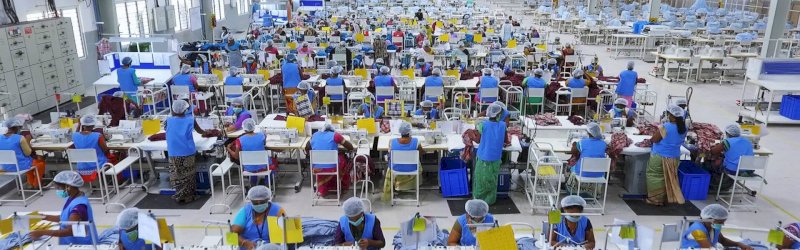
The best streetwear products are engineered, not just designed.
2. Cut-and-Sew Production
One of the most important techniques used by top brands is cut-and-sew manufacturing.
What Is Cut-and-Sew?
Instead of decorating pre-made blank garments, factories build garments from raw fabric.
Process
- Fabric sourcing
- Pattern development
- Fabric cutting
- Sewing assembly
- Decoration
- Finishing
Benefits
✔ Unique fit
✔ Custom construction
✔ Better differentiation
✔ Stronger brand identity
Many premium brands rely on cut-and-sew production to avoid looking like everyone else.
3. Heavyweight Fabric Construction
Heavyweight fabrics have become a defining characteristic of modern streetwear.
Typical Fabric Weights
| Category | GSM |
|---|---|
| Standard Hoodie | 280–320 GSM |
| Premium Hoodie | 380–450 GSM |
| Luxury Streetwear Hoodie | 450–600 GSM |
Why Brands Use Heavyweight Fabrics
- Better drape
- Improved durability
- Premium feel
- Enhanced structure
Consumers often associate heavier garments with higher quality.
4. Garment Dyeing
Garment dyeing is widely used by premium streetwear brands.
What Is Garment Dyeing?
The garment is sewn first and dyed afterward.
Benefits
✔ Unique color variation
✔ Softer feel
✔ Vintage appearance
✔ Premium aesthetic
Common Products
- Hoodies
- T-shirts
- Sweatshirts
- Sweatpants
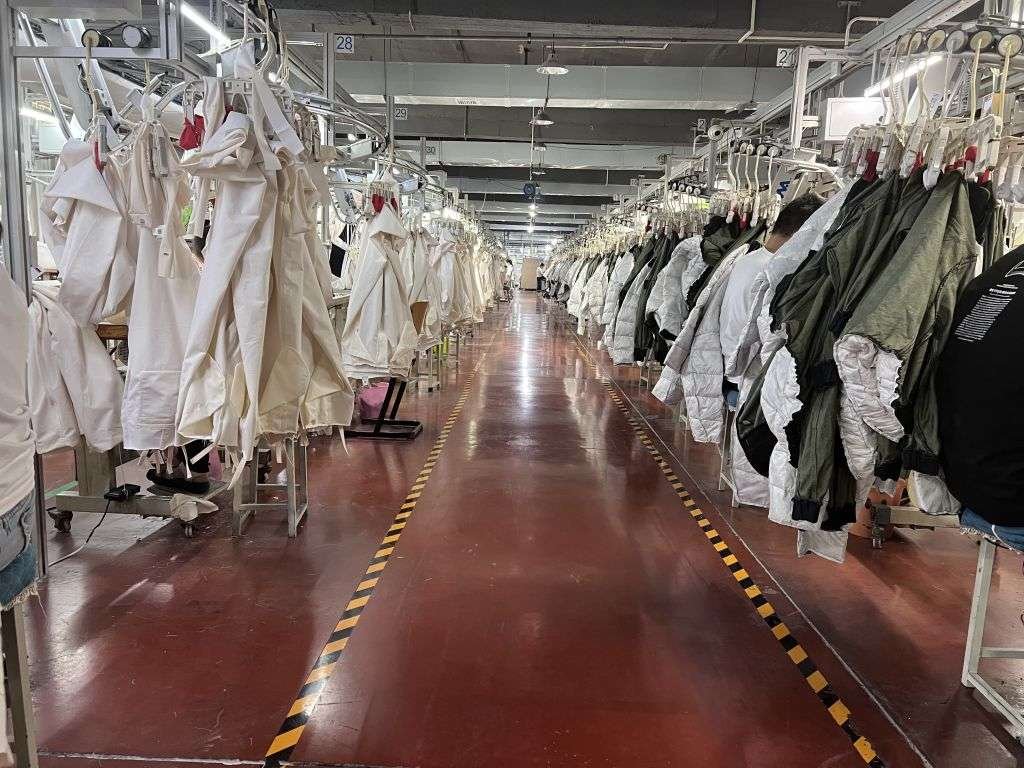
Garment dyeing creates depth that standard dyeing often cannot achieve.
5. Vintage Washing Techniques
Many modern streetwear collections feature washed finishes.
Popular Wash Types
- Enzyme wash
- Acid wash
- Pigment wash
- Stone wash
- Snow wash
Visual Effects
| Wash Type | Appearance |
|---|---|
| Enzyme Wash | Soft and smooth |
| Acid Wash | High contrast |
| Pigment Wash | Vintage fade |
| Stone Wash | Worn-in look |
These techniques help garments feel aged and authentic.
6. Premium Embroidery Applications
Luxury streetwear brands frequently use embroidery to increase perceived value.
Common Embroidery Styles
- Flat embroidery
- 3D puff embroidery
- Chain stitch embroidery
- Applique embroidery
Benefits
✔ Durability
✔ Texture
✔ Premium appearance
✔ Luxury positioning
Embroidery often outlasts traditional printing methods.
7. Screen Printing and Specialty Printing
Printing remains one of the most important decoration techniques in streetwear.
Top Printing Methods
| Method | Purpose |
|---|---|
| Screen Printing | Bold graphics |
| Puff Print | Raised effect |
| High Density Print | Dimensional look |
| DTG Printing | Detailed artwork |
| Water-Based Print | Soft hand feel |
Why Premium Brands Invest in Printing
Quality printing improves:
- Visual impact
- Durability
- Brand perception
Printing quality is often immediately noticeable to consumers.
8. Custom Pattern Development
Top brands rarely rely on standard fits.
Pattern Development Focus
- Shoulder positioning
- Sleeve shape
- Body proportions
- Garment length
- Hood structure
Popular Streetwear Fits
| Fit Type | Characteristics |
|---|---|
| Oversized | Relaxed volume |
| Boxy | Wider and shorter |
| Cropped | Fashion-forward |
| Relaxed | Everyday comfort |
Fit is often more important than graphics.
9. Reinforced Stitching Techniques
Many premium garments use stronger construction methods.
Common Techniques
- Double-needle stitching
- Cover stitching
- Bartack reinforcement
- Taped seams
Benefits
✔ Increased durability
✔ Better shape retention
✔ Improved garment lifespan
Construction Comparison
| Feature | Standard Garment | Premium Garment |
|---|---|---|
| Stitch Density | Moderate | High |
| Reinforcement | Limited | Extensive |
| Durability | Good | Excellent |
These details are rarely visible but significantly affect performance.
10. Quality Control Systems
The best manufacturing techniques mean little without proper quality control.
Typical QC Stages
Fabric Inspection
Checks:
- Color consistency
- Fabric defects
- Weight accuracy
In-Line Inspection
Checks:
- Stitch quality
- Measurements
- Construction
Final Inspection
Checks:
- Decoration
- Packaging
- Overall quality
QC Benefits
✔ Fewer defects
✔ Consistent sizing
✔ Better customer experience
✔ Reduced returns
Top brands often invest heavily in quality assurance.
11. Which Techniques Create the Biggest Impact?
Not every manufacturing technique delivers equal value.
Highest Consumer Impact
| Technique | Impact Level |
|---|---|
| Premium Fabric | Very High |
| Fit Development | Very High |
| Heavyweight Construction | High |
| Garment Dyeing | High |
| Embroidery | High |
| Quality Control | Very High |
Consumers may not know the technical names, but they notice the results.
Internal Resources
If you're building a premium streetwear collection, explore:
Industry Resources
For apparel manufacturing and fashion production insights:
12. FAQ
What manufacturing technique is most important in streetwear?
Fabric quality and fit development typically have the greatest impact on customer perception.
Why do luxury streetwear brands use heavyweight fabrics?
Heavyweight fabrics create better structure, durability, comfort, and premium appeal.
What is cut-and-sew manufacturing?
Cut-and-sew manufacturing involves building garments from raw fabric rather than decorating pre-made blanks.
Why do streetwear brands use garment dyeing?
Garment dyeing creates unique color effects, softer fabrics, and a vintage aesthetic.
Does better manufacturing justify higher prices?
In many cases, yes. Premium materials, specialized techniques, and stricter quality control significantly increase production costs.
Final Thoughts
The most successful streetwear brands don't rely on graphics alone.
They invest in manufacturing techniques that improve:
- Fabric quality
- Fit
- Durability
- Appearance
- Customer experience
From my experience, the biggest difference between average and premium streetwear often isn't visible in a product photo.
It's revealed when someone wears the garment, washes it repeatedly, and compares it to lower-quality alternatives.
That's why top brands continue to invest in:
- Cut-and-sew production
- Heavyweight fabrics
- Garment dyeing
- Premium embroidery
- Advanced quality control
The best streetwear brands don't just sell designs—they manufacture products people want to keep wearing for years.
