
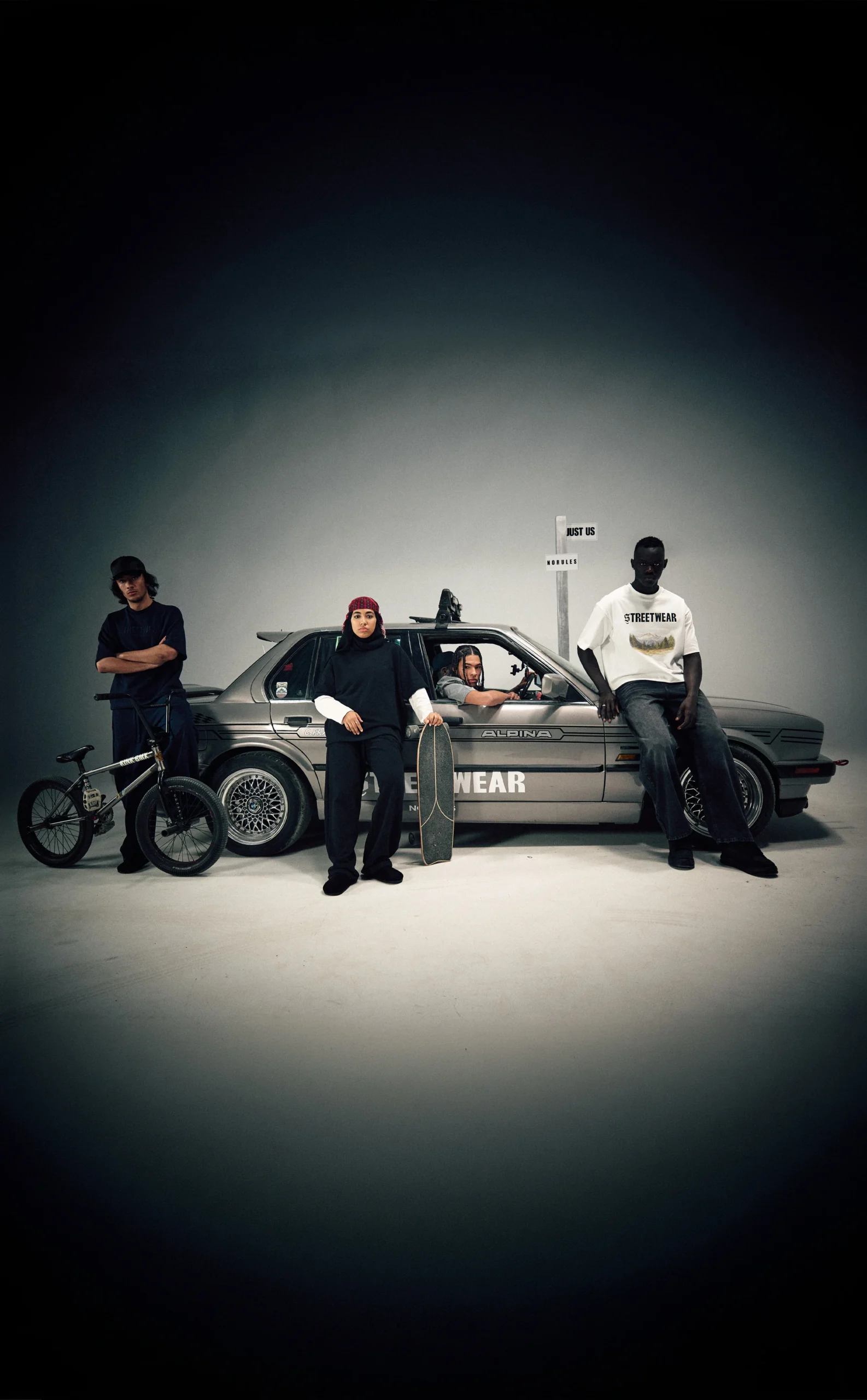
Good streetwear combines a clear identity, intentional fit, suitable fabric, reliable construction, meaningful details, everyday wearability, and consistent quality.
From my experience developing custom streetwear, expensive fabric or a large graphic cannot save a product with poor proportions, weak construction, or no clear point of view. The strongest products feel deliberate from the first sketch to the final label.
Quick answer: Good streetwear is recognizable, wearable, and well made. Its silhouette, fabric, graphics, construction, and finishing should support the same brand idea rather than compete with one another.
Table of Contents
- Good Streetwear at a Glance
- 1. A Recognizable Brand Identity
- 2. An Intentional Silhouette
- 3. Fabric That Supports the Product
- 4. Reliable Construction
- 5. Purposeful Graphics and Details
- 6. Comfort and Real-World Wearability
- 7. Consistency Across Production
- How to Evaluate a Streetwear Sample
- Good Streetwear by Product Type
- What Does Not Make Streetwear Good?
- Frequently Asked Questions
- Final Recommendation
Good Streetwear at a Glance
| Quality Factor | What Good Streetwear Does | Warning Sign |
|---|---|---|
| Brand identity | Communicates a recognizable point of view | Copies unrelated trends |
| Silhouette | Looks intentional from every angle | Simply uses a larger standard size |
| Fabric | Supports the fit and intended use | Selected only by GSM |
| Construction | Holds shape and survives normal wear | Weak seams or distorted panels |
| Decoration | Strengthens the concept | Added only to make the product look expensive |
| Wearability | Fits the customer’s climate and lifestyle | Looks good but feels uncomfortable |
| Consistency | Matches the approved standard in bulk | Every garment looks or fits differently |
I use this definition when reviewing a streetwear product:
Good streetwear creates a clear identity through the garment itself, then supports that identity with fit, material, construction, decoration, and repeatable quality.
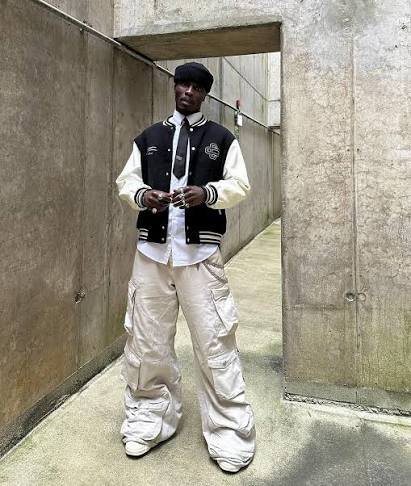
A product does not need to be complicated. A simple black T-shirt can be strong streetwear when its proportions, fabric, neckline, hand feel, and branding are carefully controlled.
1. A Recognizable Brand Identity
Good streetwear should communicate who it is for and why it exists.
A brand identity may be built around:
- Skate culture
- Music
- Art
- Sport
- Workwear
- Technical clothing
- Local communities
- Minimal design
- Vintage references
- Social or cultural ideas
The product does not need to explain the entire story through text. The identity should be visible through consistent choices.
Identity Should Influence the Product
| Brand Direction | Product Decisions |
|---|---|
| Vintage streetwear | Washed colors, dry cotton, aged graphics |
| Minimal streetwear | Clean silhouettes, subtle logos, premium fabric |
| Technical streetwear | Nylon, functional pockets, adjustable details |
| Skate-inspired streetwear | Relaxed fits, durable materials, graphic tees |
| Luxury streetwear | Refined construction, controlled branding, custom trims |
| Workwear streetwear | Twill, canvas, utility pockets, reinforced seams |
A weak collection often contains several good individual ideas that do not belong together.
For example, a vintage washed T-shirt, shiny technical pants, luxury metal trims, and cartoon graphics may all be attractive separately. However, the collection can feel confused when there is no shared design language.
My Brand Test
Before approving a product, I ask:
- Would the target customer recognize the brand direction?
- Does the garment support the brand story?
- Could the product still feel recognizable without a large logo?
- Can the same direction be expanded into future products?
Good streetwear should be more than a logo placed on a generic garment.
2. An Intentional Silhouette
The silhouette is often the first thing customers notice, even before they study the fabric or artwork.
Streetwear silhouettes may include:
- Oversized
- Boxy
- Cropped
- Relaxed
- Wide-leg
- Baggy
- Layered
- Structured
- Tapered
- Elongated
The fit should match the brand rather than follow a trend without purpose.
Oversized Does Not Mean Simply Larger
A well-developed oversized T-shirt may require controlled changes to:
- Shoulder width
- Chest width
- Body length
- Armhole depth
- Sleeve length
- Sleeve opening
- Neck opening
- Hem width
Simply grading a regular T-shirt several sizes larger can create excessive length, loose necklines, and unbalanced sleeves.
Brands developing original proportions can explore Custom Oversized T-Shirt Manufacturing.
Check the Garment From Every Angle
A fit should work from:
- The front
- The back
- The side
- A seated position
- A moving position
- A layered outfit
I pay particular attention to side balance. A garment may look attractive from the front but pull backward, flare incorrectly, or collapse around the shoulders when viewed from the side.
3. Fabric That Supports the Product
Good fabric is not simply soft, heavy, or expensive. It must help the garment achieve its intended appearance and function.
Match Fabric to the Product
| Product | Practical Fabric Direction |
|---|---|
| Graphic T-shirt | Smooth cotton jersey with good printability |
| Boxy oversized T-shirt | Dense jersey with controlled structure |
| Year-round hoodie | French terry with suitable recovery |
| Winter hoodie | Brushed fleece or heavy cotton-rich fabric |
| Cargo pants | Twill, canvas, nylon, or ripstop |
| Washed T-shirt | Cotton fabric suitable for garment finishing |
| Technical jacket | Nylon or polyester with functional finishes |
| Denim jacket | Denim selected for the intended wash effect |
A lightweight fabric may be perfect for a flowing summer tee but unsuitable for a rigid boxy silhouette.
A 500 GSM hoodie may feel substantial, but it may also be too warm, heavy, or expensive for the target market.
GSM Is Only One Part of Quality
GSM measures fabric weight per square meter. It does not fully explain:
- Fiber quality
- Yarn quality
- Knitting density
- Surface smoothness
- Recovery
- Shrinkage
- Pilling
- Color performance
- Durability
Two fabrics with the same GSM can feel and perform differently.
The CottonWorks Cotton Fiber Quality Guide explains how fiber characteristics influence yarn, fabric, and finished textile quality.
For broader material comparisons, brands can review the Textile Exchange Fiber and Materials Matrix.
4. Reliable Construction
Construction determines whether the garment maintains its intended shape during wearing and washing.
Good construction should provide:
- Secure seams
- Consistent stitch tension
- Balanced panels
- Reinforced stress points
- Stable necklines
- Functional pockets
- Correct zipper installation
- Clean internal finishing
High-Risk Areas by Product
| Product | Areas to Inspect |
|---|---|
| T-shirt | Collar, shoulders, side seams, hem |
| Hoodie | Hood seam, neckline, pocket, cuffs, bottom rib |
| Cargo pants | Pocket openings, waistband, crotch, hardware |
| Jacket | Zippers, lining, armholes, closures |
| Denim | Crotch seam, pockets, belt loops, hardware |
| Washed garment | Seams, abrasion areas, fabric strength |
Construction does not need to be visually complicated. In many products, the best workmanship is the part customers do not immediately notice because everything sits correctly.
FuKi Apparel uses material, production, finishing, and final checks through its Streetwear Quality Control Service.
5. Purposeful Graphics and Details
Graphics, embroidery, washes, patches, and trims should strengthen the product concept.
Common streetwear decoration includes:
- Screen printing
- Puff printing
- DTG
- Embroidery
- Puff embroidery
- Silicone printing
- Appliqué
- Patches
- Rhinestones
- Garment washing
- Distressing
Choose the Technique From the Artwork
| Design Requirement | Suitable Starting Method |
|---|---|
| Bold solid graphic | Screen printing |
| Raised lettering | Puff printing |
| Detailed full-color art | DTG |
| Small premium logo | Embroidery |
| Large raised initials | Puff embroidery |
| Technical raised logo | Silicone printing |
| Vintage graphic | Screen print combined with wash testing |
Good decoration should have:
- Correct scale
- Intentional placement
- Clear edges
- Suitable texture
- Strong fabric compatibility
- Acceptable wash durability
Explore these techniques through Custom Streetwear Printing Services.
More Details Do Not Always Create More Value
Adding sleeve prints, metal trims, patches, embroidery, and several labels to one product may increase cost without improving the design.
I prefer one or two memorable details over several unrelated effects.
A detail is valuable when removing it would weaken the product—not merely when adding it increases the price.
6. Comfort and Real-World Wearability
Streetwear can be expressive, but customers still need to wear it.
Good streetwear should consider:
- Climate
- Movement
- Layering
- Fabric breathability
- Garment weight
- Skin contact
- Pocket function
- Care requirements
Wearability Questions
Ask:
- Is the hoodie too heavy around the neck?
- Does the T-shirt become transparent when stretched?
- Can the customer move comfortably in the pants?
- Are the pockets deep enough for practical use?
- Does dense embroidery feel rough inside?
- Is the garment suitable for the selling season?
- Can customers follow the care instructions easily?
A visually strong product may still receive poor reviews when it feels too hot, stiff, restrictive, or difficult to maintain.
For US-market products, brands should also prepare appropriate textile and care information. The FTC Clothing and Textiles Guidance provides official labeling resources.
7. Consistency Across Production
One excellent sample is not enough. Good streetwear must be reproduced consistently across the bulk order.
Consistency includes:
- Fabric color
- Fabric hand feel
- Garment measurements
- Print placement
- Embroidery quality
- Wash effect
- Stitching
- Labels
- Packaging
Why Bulk Can Differ From a Sample
Bulk variation may result from:
- Different fabric lots
- Cutting tension
- Printing setup
- Embroidery programming
- Sewing operators
- Garment washing
- Weak measurement controls
The approved sample, size chart, artwork, color references, and written specifications should remain the production standard.
For washed garments, the brand may need to approve a visual range rather than expect every garment to look identical. See Custom Washed T-Shirt Manufacturing for washed fabric and finishing options.
How to Evaluate a Streetwear Sample
I recommend reviewing a sample in this order.
1. Identity
Does it match the brand’s intended aesthetic?
2. Silhouette
Does the garment hold the correct proportions?
3. Fabric
Does the material support the fit, climate, and retail positioning?
4. Construction
Are the seams, pockets, ribs, and closures reliable?
5. Decoration
Does the graphic strengthen the product?
6. Wearability
Is the garment comfortable during movement and layering?
7. Wash Performance
Does it maintain acceptable measurements, color, and appearance?
Sample Scorecard
| Category | Suggested Weight |
|---|---|
| Brand identity | 15% |
| Fit and silhouette | 20% |
| Fabric suitability | 20% |
| Construction | 15% |
| Decoration | 10% |
| Comfort | 10% |
| Wash performance | 10% |
| Total | 100% |
A sample that scores highly in appearance but poorly in comfort or wash performance is not ready for production.
Good Streetwear by Product Type
| Product | What Usually Makes It Good |
|---|---|
| Oversized T-shirt | Balanced length, stable collar, suitable fabric, strong graphic |
| Heavyweight hoodie | Structured hood, correct shoulder balance, reliable rib |
| Graphic sweatshirt | Clear print, comfortable surface, stable fit |
| Cargo pants | Functional pockets, strong seams, controlled volume |
| Washed T-shirt | Intentional fade, soft hand feel, controlled shrinkage |
| Varsity jacket | Balanced materials, clean patches, reliable closures |
| Technical jacket | Functional fabric, practical details, comfortable movement |
Each category has different priorities. There is no single quality formula that can be applied to every product.
What Does Not Make Streetwear Good?
Using Heavy Fabric Without a Suitable Fit
Heavy fabric can make a poor pattern feel even more uncomfortable.
Copying a Popular Brand Too Closely
References are useful, but a product needs its own reason to exist.
Adding Too Many Techniques
Several expensive decorations do not automatically create a premium garment.
Focusing Only on Appearance
Fit, comfort, shrinkage, and durability affect repeat purchases.
Ignoring the Target Climate
An extremely heavy product may be unsuitable for the market where it will be sold.
Approving Only From Photos
Photos cannot show hand feel, weight, movement, seam strength, or wash performance.
Treating the First Sample as Final
A sample should be measured, worn, washed, and corrected before bulk production.
Frequently Asked Questions
What defines high-quality streetwear?
High-quality streetwear combines a recognizable identity with suitable fabric, intentional fit, reliable construction, strong decoration, comfort, and consistent bulk production.
Does streetwear need to be oversized?
No. Oversized fits are common, but streetwear can also be cropped, fitted, technical, workwear-inspired, or tailored.
Is heavyweight fabric always better?
No. Heavyweight fabric provides structure and opacity, but it can also increase heat, stiffness, cost, and shipping weight.
What makes a streetwear T-shirt feel premium?
A balanced fit, suitable cotton fabric, stable collar, clean stitching, controlled shrinkage, and well-produced decoration all contribute to a premium result.
Are large graphics necessary?
No. Minimal streetwear can rely on silhouette, fabric, texture, color, and small branding instead of large graphics.
How can a new brand improve product quality?
Begin with fewer products, approve physical materials, develop the fit carefully, test decoration, wash the sample, and use clear production standards.
How do I know whether a sample is ready for bulk production?
It should meet the approved fabric, measurements, fit, construction, decoration, labeling, and wash-performance requirements.
Final Recommendation
Good streetwear requires:
- A clear and recognizable identity
- An intentional silhouette
- Fabric that supports the product
- Reliable construction
- Purposeful graphics and details
- Real-world comfort
- Consistent bulk production
My main recommendation is:
Do not judge streetwear by one feature. Judge how well the identity, fit, fabric, construction, decoration, and customer experience work together.
A simple product with strong execution is usually more valuable than a complicated product with no clear direction.
FuKi Apparel supports brands with fabric sourcing, custom pattern development, sampling, printing, embroidery, garment washing, private labels, quality control, packaging, and bulk production.
Visit FuKi Apparel or contact our streetwear production team to develop a collection with a clear identity and reliable product quality.
