
If you’re building a streetwear brand, choosing the right manufacturer isn’t just about price — it’s about finding a partner who understands your vision, supports your growth, and delivers consistent quality.
From my experience working with global brands and startups, not all factories operate the same way. In this article, I’ll break down exactly what makes Fuki Apparel different from typical clothing manufacturers — in a practical, no-fluff way.
Table of Contents
- Quick Answer
- Understanding the Real Difference Between Factories
- 1. Streetwear-Focused Manufacturing Expertise
- 2. Low MOQ That Actually Works for Startups
- 3. True Customization (Not Just Basic Logo Printing)
- 4. Factory-Level Quality Control Systems
- 5. Faster Sampling and Production Timeline
- 6. Communication That Saves You Time
- Fuki Apparel vs Traditional Factories
- Who Should Work with Fuki Apparel?
- FAQs
- Conclusion
- Internal Reference
Quick Answer
Fuki Apparel stands out because it focuses on streetwear brands, offers real low MOQ solutions, supports deep customization, and maintains strict quality control with fast production timelines — all while providing clear communication throughout the process.
Understanding the Real Difference Between Factories
Most factories fall into one of these categories:
- Mass production factories (high MOQ, low flexibility)
- Trading companies (limited control over production)
- Small workshops (flexible but inconsistent quality)
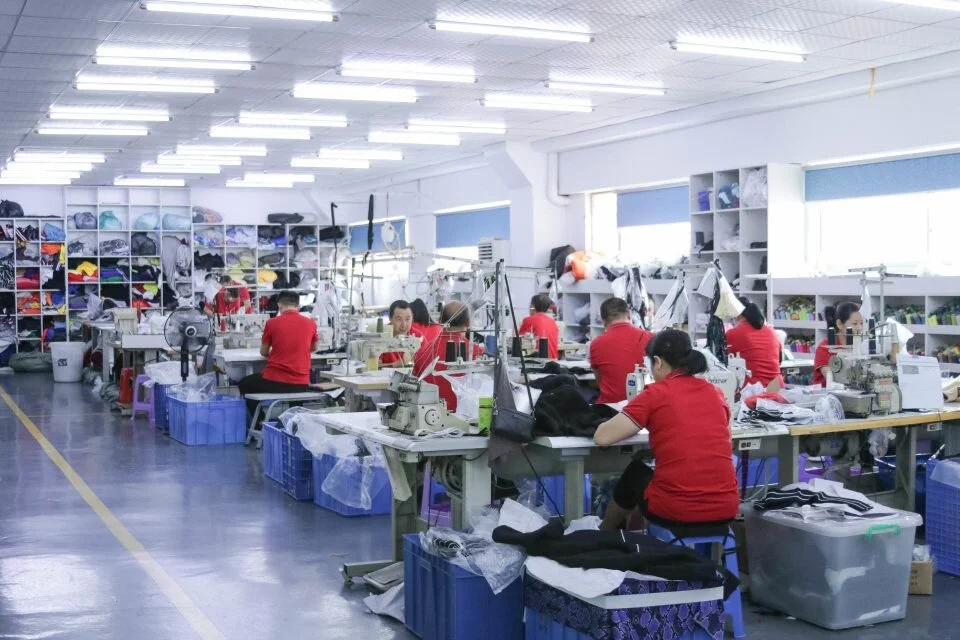
Fuki Apparel is positioned differently — combining factory-level production control with startup-friendly flexibility.
1. Streetwear-Focused Manufacturing Expertise
Unlike general apparel factories, Fuki Apparel specializes in streetwear production.
That means:
- Oversized fits and modern silhouettes
- Heavyweight fabrics (250–450 GSM)
- Advanced printing (puff print, DTG, screen print)
- Wash effects (acid wash, vintage wash)
This matters because streetwear isn’t just clothing — it’s culture. A factory that understands trends can help you avoid costly mistakes.
2. Low MOQ That Actually Works for Startups
Many factories claim low MOQ, but in reality:
- Fabric MOQ is still high
- Color options are limited
- Customization is restricted
Fuki Apparel offers practical low MOQ (around 100 pcs) while still allowing:
- Multiple sizes
- Custom branding
- Real production-level quality
This makes it much easier for new brands to test products without over-investing.
3. True Customization (Not Just Basic Logo Printing)
A lot of manufacturers only offer:
- Simple screen printing
- Limited fabric choices
- Generic templates
Fuki Apparel goes further with:
- Custom fabric sourcing (cotton, fleece, blends)
- Private label (woven labels, hang tags, packaging)
- Multiple print techniques in one garment
- Custom trims and accessories
👉 This is the difference between a “custom hoodie” and a real brand product.
4. Factory-Level Quality Control Systems
One of the biggest risks in apparel manufacturing is inconsistency.
Fuki Apparel applies structured quality control:
- Fabric inspection before cutting
- In-line production checks
- Final AQL-based inspection
- Needle detection before shipment
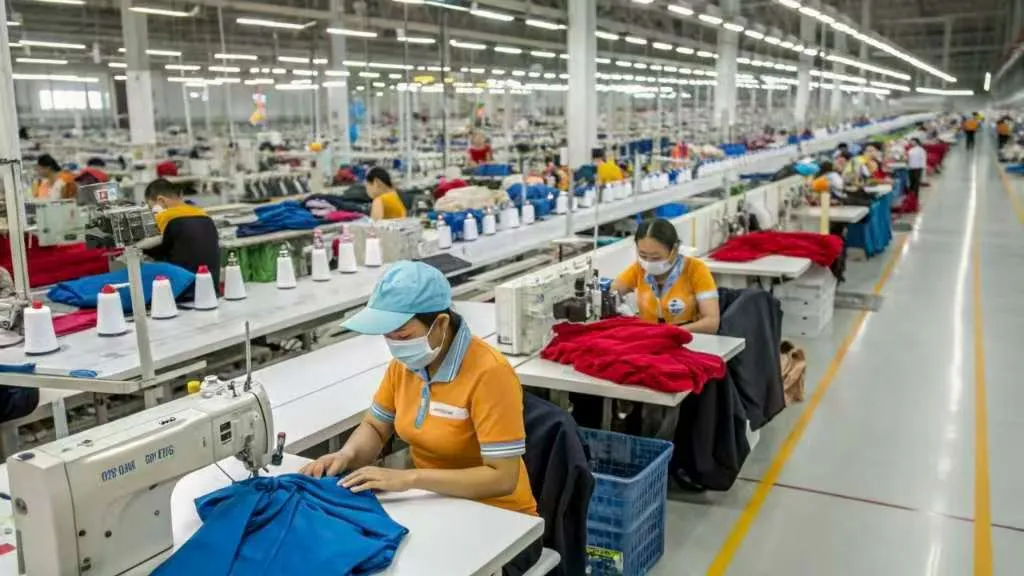
This ensures that bulk orders match your approved samples — which is critical for brand reputation.
5. Faster Sampling and Production Timeline
Speed matters, especially for growing brands.
Typical timeline:
- Sample: 7–10 days
- Bulk production: 25–35 days
Compared to many factories that delay due to poor coordination, Fuki Apparel maintains a clear production schedule and updates.
6. Communication That Saves You Time
This is something many brands underestimate.
Common factory problems:
- Slow replies
- Misunderstood requirements
- No updates
Fuki Apparel focuses on:
- Clear English communication
- Dedicated merchandiser support
- Fast response times
👉 This reduces errors, revisions, and delays.
Fuki Apparel vs Traditional Factories
| Feature | Fuki Apparel | Traditional Factories |
|---|---|---|
| MOQ | Low (Startup-friendly) | High |
| Customization | Deep & flexible | Limited |
| Streetwear Expertise | Specialized | General |
| Quality Control | Structured (AQL) | Inconsistent |
| Communication | Fast & clear | Often slow |
| Sampling Speed | 7–10 days | 2–4 weeks |
Who Should Work with Fuki Apparel?
Fuki Apparel is ideal for:
- Startup streetwear brands
- Growing fashion labels
- E-commerce brands (Shopify, Amazon)
- Influencer or creator brands
If you want control, flexibility, and brand-level quality, it’s a strong fit.
FAQs
Is Fuki Apparel suitable for small brands?
Yes. The low MOQ and flexible customization make it ideal for startups.
Can I create fully custom designs?
Yes. From fabric to packaging, everything can be customized.
Do you offer samples before bulk production?
Yes. Sampling is recommended before placing bulk orders.
Do you support international shipping?
Yes. Global shipping options are available depending on your needs.
Conclusion
The real difference between Fuki Apparel and other factories isn’t just one feature — it’s the combination of flexibility, quality, and understanding of streetwear brands.
If you’re serious about building a brand (not just selling products), choosing the right manufacturer can save you time, money, and frustration.
Internal Reference
👉 Learn more about our streetwear production capabilities: Fuki Apparel
Follow us for more behind-the-scenes content and production insights:
- TikTok: Fuki Streetwear
- YouTube: Fuki Apparel
- Instagram: Fuki Streetwear
