
The first time I walked through a denim factory, I realized something surprising:
the fabric everyone calls “casual” is actually one of the most engineered textiles in fashion.
Denim didn’t start as style.
It started as survival gear.
So when people ask:
“What is the history of denim?”
They’re really asking how a worker’s fabric became the most worn material in the world.
This guide explains that journey in plain English.
Table of Contents
- Quick Answer
- Where Denim Comes From
- The Birth of Blue Jeans
- Denim Enters Pop Culture
- From Workwear to Fashion
- Modern Denim Today
- Denim Timeline Table
- FAQ
- Internal Reference
Quick Answer
Denim began in 17th-century Europe as a durable cotton fabric.
In the 1800s, it became workwear in America.
By the 1950s, it symbolized rebellion.
Today, denim is a global fashion foundation.
For a neutral overview, see Wikipedia – Denim.
Where Denim Comes From
The word denim comes from “serge de Nîmes,” a fabric made in Nîmes, France.
Early denim was:
- Woven from cotton
- Dyed with natural indigo
- Built to resist wear
It was practical before it was fashionable.
European sailors and laborers wore similar twill fabrics long before jeans existed.
The Birth of Blue Jeans
In 1873, Levi Strauss and Jacob Davis patented riveted denim pants for miners.
These jeans were:
- Reinforced at stress points
- Resistant to tearing
- Easy to wash
- Long-lasting
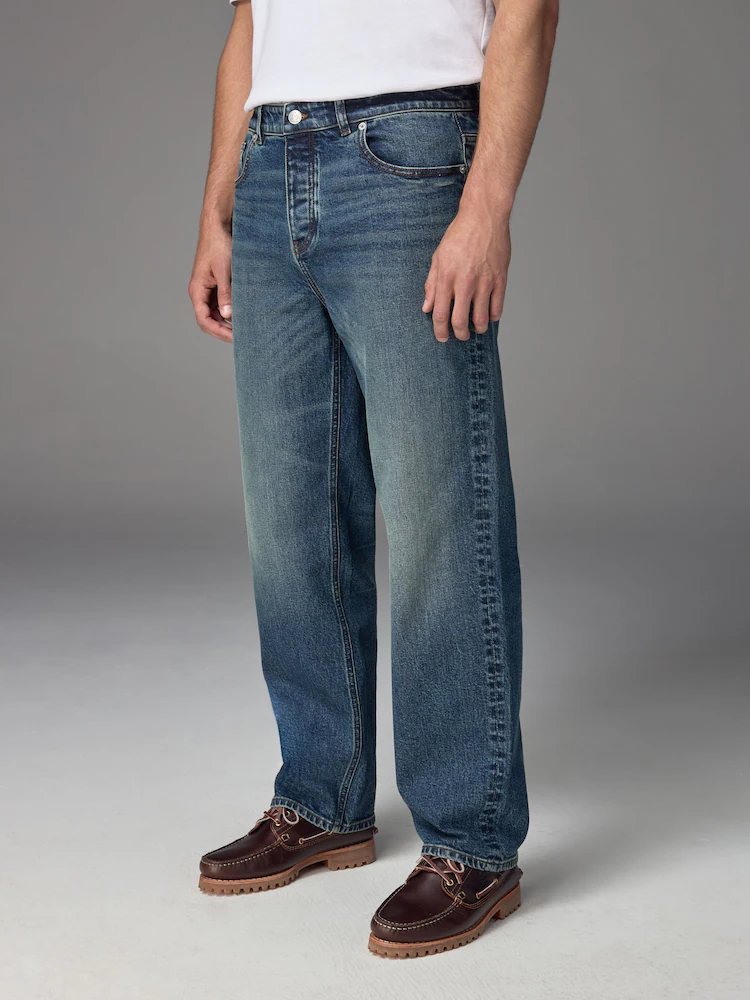
For gold miners, durability meant income.
Denim became equipment.
You can explore the original brand story at Levi’s.
Denim Enters Pop Culture
In the 1950s, denim escaped the workplace.
Actors like:
- James Dean
- Marlon Brando
Wore jeans on screen.
Suddenly, denim meant:
- Youth
- Rebellion
- Freedom
- Non-conformity
Schools even banned jeans.
That made them more powerful.
From Workwear to Fashion
By the 1970s–1990s:
- Designers adopted denim
- Brands created signature washes
- Subcultures made it uniform
Denim split into identities:
- Punk = ripped
- Hip-hop = baggy
- Rock = skinny
- Workwear = raw
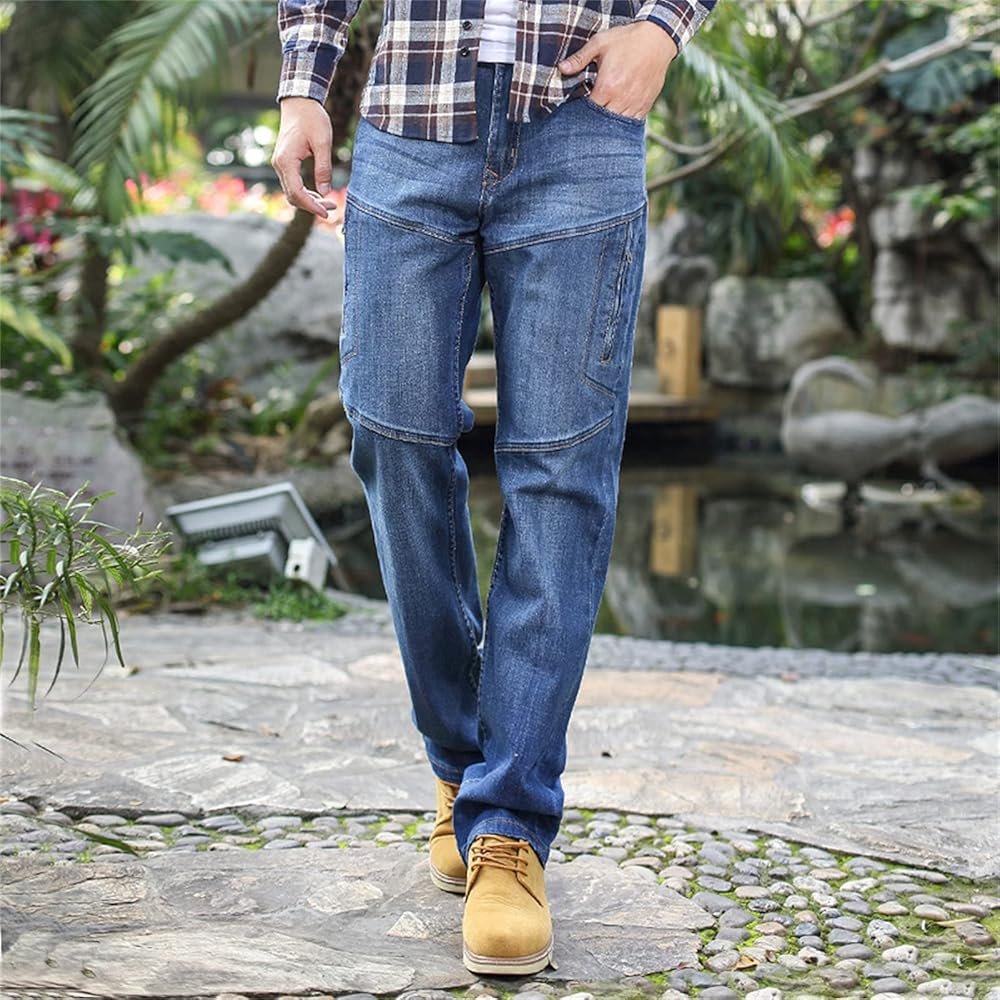
The same fabric expressed different worlds.
Modern Denim Today
Today, denim is everywhere:
- Raw selvedge
- Stretch performance blends
- Sustainable recycled cotton
- Luxury runway pieces
It’s no longer one product.
It’s a platform.
Brands like Wrangler, Lee, and modern manufacturers reinterpret it every season.
From a production perspective, denim now balances:
- Heritage
- Technology
- Sustainability
- Style
That’s why it never disappears.
Denim Timeline Table
| Era | Role of Denim | Meaning |
|---|---|---|
| 1600s–1700s | Work fabric in Europe | Utility |
| 1800s | Miner workwear | Durability |
| 1950s | Youth uniform | Rebellion |
| 1970s–1990s | Subculture identity | Expression |
| 2000s–Today | Global fashion base | Versatility & heritage |
FAQ
Why is denim blue?
Indigo dye fades attractively and highlights wear patterns.
Is denim still relevant?
Yes. It adapts to every generation.
What makes good denim?
Fiber quality, weave density, dye depth, and finishing.
Internal Reference
If you’re building a denim line or private-label brand, understanding this heritage helps you design with meaning.
Explore how we translate denim history into modern production at fukiapparel.
