
Streetwear is a style of everyday clothing influenced by skateboarding, hip-hop, sportswear, workwear, music, art, and youth culture.
It usually includes T-shirts, hoodies, cargo pants, denim, sneakers, caps, and jackets. However, streetwear is not defined by one garment alone. It is defined by the combination of silhouette, cultural identity, graphics, materials, and styling.
From my experience developing clothing for streetwear brands, I use this simple definition:
Streetwear is casual clothing designed to express identity, community, and attitude through recognizable fits, graphics, materials, and cultural references.
An oversized T-shirt is not automatically streetwear. The product becomes streetwear when its fit, fabric, design, branding, and story work together.
Table of Contents
- Streetwear at a Glance
- Where Did Streetwear Come From?
- What Are the Main Features of Streetwear?
- Common Types of Streetwear
- Streetwear vs Casualwear
- What Makes a Garment Look Like Streetwear?
- How Brands Create Original Streetwear
- Common Streetwear Mistakes
- Useful Streetwear Resources
- Frequently Asked Questions
- Final Thoughts
Streetwear at a Glance
Streetwear combines wearable everyday clothing with stronger cultural and visual expression.
| Streetwear Element | Common Examples |
|---|---|
| Silhouette | Oversized, boxy, relaxed, cropped or wide-leg |
| Products | T-shirts, hoodies, jackets, denim and cargo pants |
| Graphics | Logos, illustrations, slogans and cultural references |
| Fabrics | Heavyweight cotton, fleece, denim, canvas and nylon |
| Finishes | Fading, distressing, washing and raw-edge details |
| Influences | Skate, hip-hop, sports, workwear, art and music |
| Branding | Limited drops, collaborations and community identity |
The Three-Layer Streetwear Formula
I normally explain streetwear through three layers:
- The garment: fit, fabric and construction
- The design: graphics, color and finishing
- The culture: identity, community and brand story
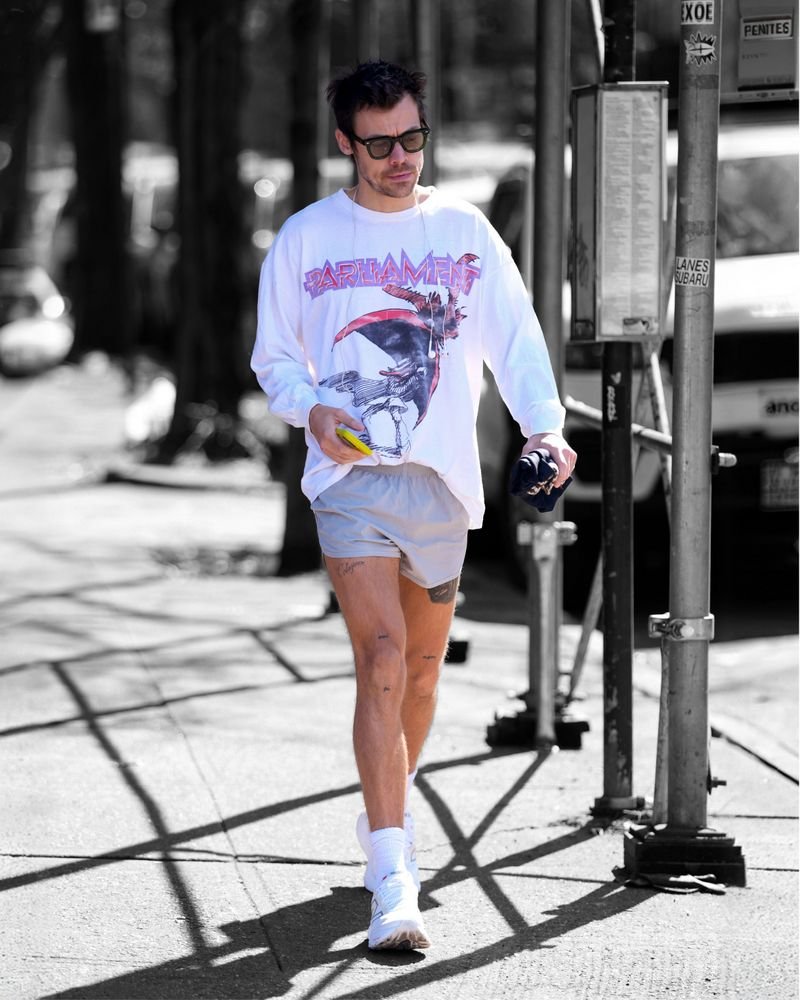
A product may look fashionable without being strongly connected to streetwear culture. Successful streetwear usually combines all three layers.
Where Did Streetwear Come From?
Modern streetwear developed from several cultural movements rather than from one designer or one country.
Its strongest early influences included:
- California surf and skate culture
- New York hip-hop
- Sports uniforms and sneakers
- Punk and DIY fashion
- Workwear and military clothing
- Japanese street fashion
Early streetwear brands often printed graphics on simple T-shirts and sold them directly to local communities. The clothing represented music, art, skate crews, neighborhoods, and shared interests.
As streetwear became more popular, it expanded into:
- Premium fabrics
- Designer collaborations
- Limited-edition releases
- Technical outerwear
- Luxury fashion
- Global online communities
For a general cultural overview, see Streetwear on Wikipedia.
Streetwear continues to change because it responds quickly to music, social media, sports, art, and youth culture.
What Are the Main Features of Streetwear?
There is no official checklist that every streetwear product must follow. However, several features appear frequently.
Strong Silhouettes
Streetwear often uses recognizable proportions, such as:
- Dropped shoulders
- Wide sleeves
- Boxy T-shirt bodies
- Cropped hoodies
- Baggy jeans
- Wide-leg sweatpants
- Oversized jackets
From a manufacturing perspective, these proportions must be developed intentionally. Simply increasing a regular garment by two sizes rarely creates a balanced oversized fit.
Brands developing original proportions can explore our Oversized T-Shirt Manufacturer service.
Graphic Expression
Streetwear graphics may include:
- Brand logos
- Bold typography
- Illustrations
- Photography
- Sports references
- Music influences
- Social commentary
- Vintage-style artwork
Popular decoration methods include screen printing, puff printing, embroidery, appliqué, rhinestones, and silicone patches.
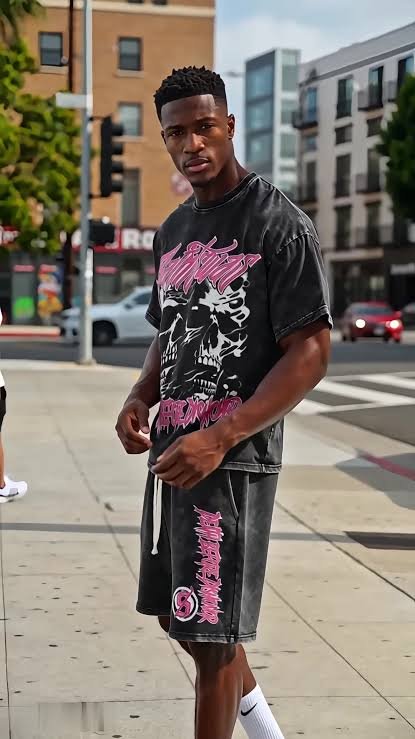
See available options through Custom Streetwear Printing Services.
Distinctive Fabrics
Streetwear brands often use fabric to create a recognizable hand feel and silhouette.
Common options include:
| Product | Common Fabric Direction |
|---|---|
| Oversized T-shirt | 220–280 GSM cotton jersey |
| Heavyweight hoodie | French terry or brushed fleece |
| Cargo pants | Cotton twill, canvas or ripstop |
| Denim styles | Rigid or washed denim |
| Technical jackets | Nylon or polyester woven fabric |
The heaviest fabric is not always the best. Fabric should support the intended fit, climate, printing method, and retail price.
Washes and Finishing
Streetwear garments may use:
- Pigment washing
- Enzyme washing
- Acid washing
- Fading
- Distressing
- Spray effects
- Raw edges
- Abrasion
These treatments can make a new garment appear faded, worn, aged, or unique.
Brands interested in vintage effects can review our Washed T-Shirts Manufacturer page.
Common Types of Streetwear
Streetwear is a broad category with several different directions.
Graphic Streetwear
Graphic streetwear focuses on artwork, typography, and brand messaging.
Typical products include:
- Printed T-shirts
- Graphic hoodies
- Embroidered caps
- Statement jackets
This direction is suitable for artists, music projects, and brands with a strong visual identity.
Minimal Streetwear
Minimal streetwear uses fewer graphics and places more attention on:
- Fabric quality
- Fit
- Neutral colors
- Construction
- Small branding details
A minimal garment must have a strong silhouette because large graphics are not available to hide a weak product.
Vintage Streetwear
Vintage streetwear often uses:
- Washed colors
- Faded graphics
- Open-end cotton
- Distressed finishes
- Retro sports references
- Relaxed silhouettes
The challenge is creating an aged appearance without weakening the fabric or making bulk production inconsistent.
Technical Streetwear
Technical streetwear combines urban design with functional materials and details.
Common features include:
- Nylon and ripstop
- Water-resistant finishes
- Adjustable hems
- Utility pockets
- Reflective details
- Lightweight layering
Workwear-Inspired Streetwear
This direction uses elements from industrial and utility clothing, such as:
- Canvas jackets
- Carpenter pants
- Cargo pockets
- Reinforced seams
- Heavy twill
- Metal hardware
Streetwear vs Casualwear
Streetwear and casualwear overlap, but they are not exactly the same.
| Factor | Streetwear | General Casualwear |
|---|---|---|
| Main purpose | Identity and cultural expression | Everyday comfort |
| Fit | Often exaggerated or distinctive | Usually conventional |
| Graphics | Frequently important | Often minimal or decorative |
| Product releases | Drops and limited collections | Continuous seasonal ranges |
| Cultural influence | Skate, music, art and youth culture | Broad lifestyle use |
| Branding | Community and attitude focused | Function and comfort focused |
A plain hoodie can be casualwear. It can become streetwear when it uses a distinctive oversized fit, heavy fabric, custom graphics, special washing, or a strong cultural concept.
What Makes a Garment Look Like Streetwear?
When reviewing a streetwear design, I check five questions.
Does the Fit Feel Intentional?
An oversized product should look designed—not simply too large.
The shoulder position, body width, sleeve opening, and length must work together.
Does the Fabric Support the Shape?
A soft lightweight jersey produces a relaxed drape. A dense heavyweight jersey creates a stronger boxy silhouette.
Choose the result first, then choose the fabric.
Is There a Recognizable Design Focus?
A garment should normally have one clear priority:
- The graphic
- The silhouette
- The wash
- The construction
- The material
- The branding detail
Adding every possible technique can make the product feel confused.
Does It Match the Target Customer?
A skate-inspired customer may prefer relaxed pants and durable fabrics. A minimal premium customer may prefer clean construction and subtle logos.
Streetwear should be designed for a specific community rather than for everyone.
Can It Be Worn Easily?
Streetwear may be expressive, but it remains everyday clothing.
The product should still provide:
- Comfort
- Movement
- Useful sizing
- Washability
- Durable construction
How Brands Create Original Streetwear
New brands often believe originality requires an extremely complicated design. In practice, a clear combination of small decisions can create a recognizable product.
Start With One Hero Product
A first collection may begin with:
- One oversized T-shirt
- One heavyweight hoodie
- One cargo pant
- One statement jacket
It is usually better to develop one product properly than to launch several weak styles.
Build a Consistent Design Language
Repeat selected details across the collection, such as:
- A specific oversized fit
- A recognizable color palette
- One wash effect
- Consistent typography
- A custom pocket shape
- Branded labels and trims
Choose the Right Production Model
Use blanks when the main value comes from the graphic and speed is important.
Use custom cut-and-sew production when you need control over:
- Fabric
- Pattern
- Measurements
- Construction
- Washing
- Trims
Learn more through our Streetwear OEM and ODM Service.
Common Streetwear Mistakes
Copying Trends Without a Brand Direction
A trending graphic may create temporary attention, but it does not automatically build a recognizable brand.
Treating Oversized as a Larger Size
A genuine oversized pattern requires controlled proportions.
Choosing Fabric Only by GSM
GSM measures weight, but not softness, density, drape, or overall quality.
Using Too Many Design Techniques
Puff print, embroidery, rhinestones, patches, distressing, and custom hardware do not all need to appear on one garment.
Ignoring Wearability
A visually impressive product may still fail when it is too hot, stiff, heavy, or difficult to wash.
Forgetting Product Labeling
Brands selling clothing should understand the labeling requirements in their target market.
For the United States, FTC Clothing and Textiles Guidance provides information about fiber content, country of origin, business identity, and related apparel requirements.
Useful Streetwear Resources
- Streetwear Cultural Overview
- FTC Clothing and Textiles Guidance
- Textile Exchange Materials Matrix
- Global Organic Textile Standard
- FuKi Apparel Streetwear Manufacturing Services
Frequently Asked Questions
What does streetwear mean?
Streetwear means casual clothing influenced by youth culture, skateboarding, music, sports, art, and urban lifestyles. It often uses distinctive fits, graphics, fabrics, and branding.
Is streetwear only oversized clothing?
No. Oversized silhouettes are common, but streetwear can also be fitted, cropped, layered, technical, minimal, or workwear-inspired.
Are hoodies considered streetwear?
Hoodies are common streetwear products, but a basic hoodie can also be general casualwear. Fit, fabric, graphics, finishing, and branding determine its streetwear identity.
Is streetwear the same as sportswear?
No. Streetwear borrows from sportswear, but it is primarily lifestyle clothing. Sportswear is generally designed around athletic activity or performance.
What fabrics are used in streetwear?
Common fabrics include cotton jersey, French terry, fleece, denim, canvas, twill, nylon, and ripstop.
Can a small brand create custom streetwear?
Yes. A small brand can begin with one focused style, a clear target customer, controlled customization, and a realistic production quantity.
What products should a streetwear brand start with?
Oversized T-shirts and hoodies are practical starting products because customers understand them, decoration options are flexible, and development is less complex than jackets or denim.
Final Thoughts
Streetwear is more than oversized clothing or a logo printed on a T-shirt.
It combines:
- Everyday wearability
- Cultural influence
- Intentional silhouettes
- Graphics or distinctive construction
- Community and brand identity
My simplest definition is:
Streetwear is everyday clothing transformed into cultural expression through fit, fabric, design, and community.
For a new brand, begin with a clear customer, one strong product, and a consistent design direction. Do not add trends simply because other brands are using them.
FuKi Apparel supports streetwear brands with custom fabrics, pattern development, sampling, printing, embroidery, garment washing, private labels, packaging, and bulk production.
Visit FuKi Apparel to discuss your next custom streetwear collection.
