
If you’ve ever looked at a Sacai piece and thought, “Why does this look like two garments fused into one?”—you’ve already discovered what Sacai is famous for.
From my experience working around fashion production and brand development, Sacai stands out because it breaks the rules of how clothes are supposed to be built. It doesn’t decorate basics—it reconstructs them. Sacai turns familiar items (jackets, hoodies, sneakers) into something unexpected, layered, and architectural.
This guide explains exactly what Sacai is known for, why it became so influential, and whether its style makes sense for you.
Table of Contents
- Quick Answer
- The Core Idea Behind Sacai
- What Sacai Is Most Famous For
- Why Sacai Collaborations Went Viral
- Sacai vs Traditional Fashion Brands
- Is Sacai Right for You?
- FAQ
- Conclusion
- Internal Reference
Quick Answer
Sacai is known for hybrid clothing—merging two or more garments into one design.
It’s famous for reconstruction, layered silhouettes, and collaborations that transform everyday items into statement pieces.
The Core Idea Behind Sacai
Sacai was founded by Chitose Abe, a designer who worked under Rei Kawakubo at Comme des Garçons. Her mindset is simple but radical:
Clothing doesn’t need to follow a single structure.
Instead of designing a jacket, Sacai asks:
- What if a jacket is also a hoodie?
- What if a skirt is also a trench?
- What if sneakers feel like they’re wearing two identities?
You can explore the brand philosophy on the official site:
sacai
From my perspective, Sacai isn’t about trends—it’s about rethinking construction.
What Sacai Is Most Famous For
Hybrid Garment Construction
Sacai pieces often look like:
- a parka merged with a blazer
- a knit fused with a shirt
- a hoodie growing out of a coat
This isn’t styling—it’s built into the pattern.
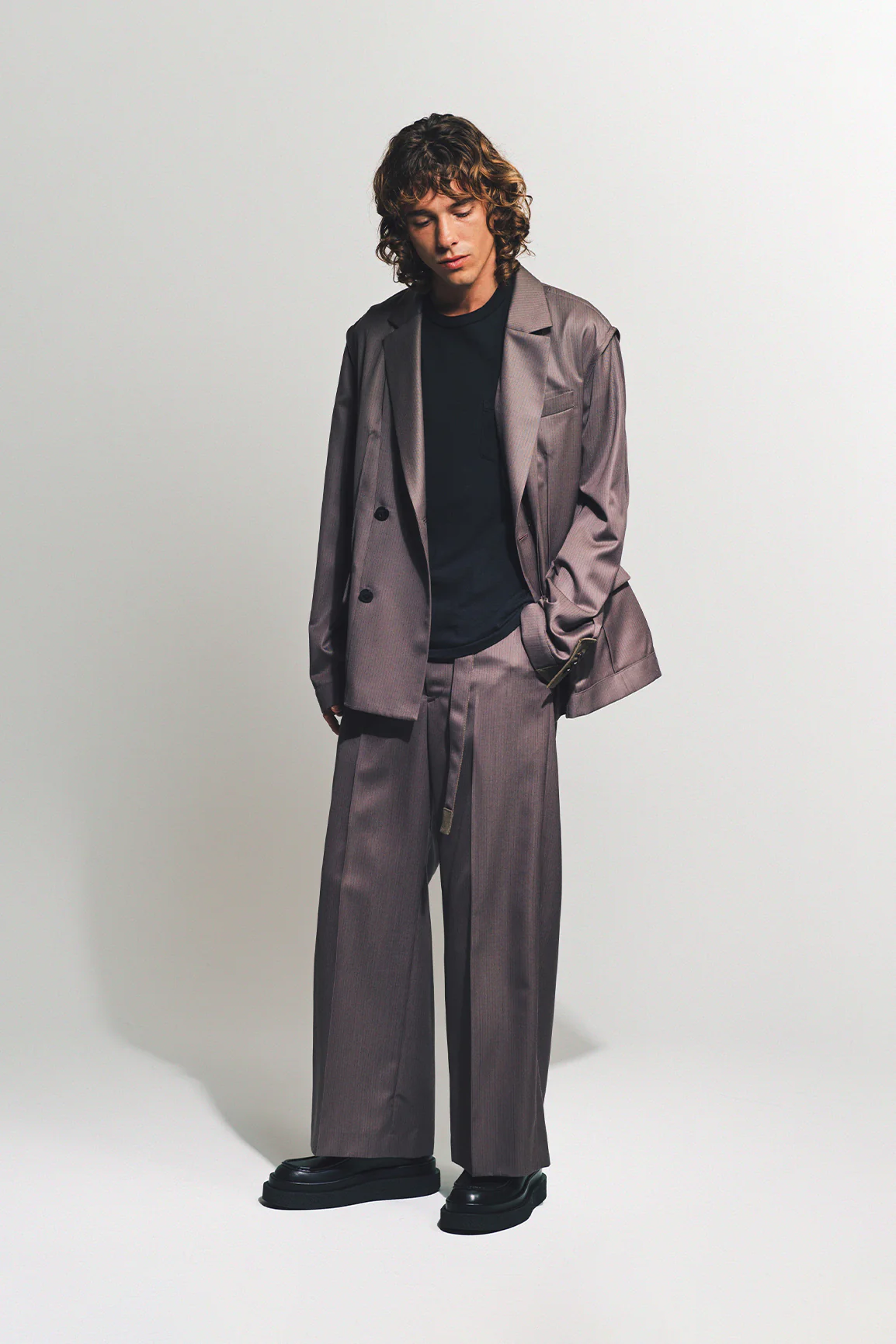
Unexpected Layering
Layers aren’t removable. They’re permanent:
- double hems
- stacked collars
- exposed inner structures
It creates depth that feels architectural.
Luxury Meets Utility
Sacai mixes:
- couture techniques
- military references
- sportswear logic
It’s elegant and functional at the same time.
Why Sacai Collaborations Went Viral
Sacai’s collaborations (especially with Nike) exploded because they applied this philosophy to iconic products.
Instead of recoloring sneakers, Sacai:
- duplicated tongues
- stacked soles
- split uppers
- fused models
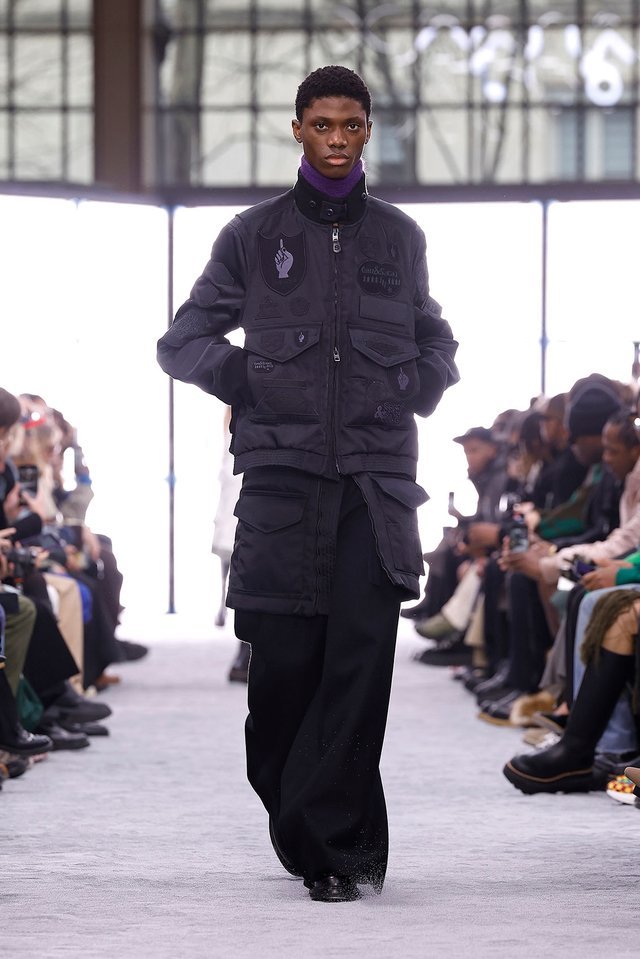
People weren’t just buying shoes—they were buying design thinking.
Sacai vs Traditional Fashion Brands
| Aspect | Sacai | Traditional Brands |
|---|---|---|
| Construction | Hybrid & layered | Single-garment |
| Philosophy | Deconstruct & rebuild | Refine existing forms |
| Look | Architectural | Familiar |
| Identity | Concept-driven | Trend-driven |
| Wearing experience | Statement | Safe |
Sacai isn’t subtle. It’s intentional.
Is Sacai Right for You?
Sacai Fits You If You:
- enjoy experimental design
- want statement pieces
- like layered silhouettes
- value concept over simplicity
Sacai May Not Be for You If You:
- prefer clean minimal basics
- dislike visual complexity
- want easy styling
- avoid attention
From my experience, Sacai works best for people who treat clothing as expression—not uniform.
FAQ
Is Sacai a luxury brand?
Yes. It’s positioned in the high-end designer space.
Is Sacai wearable in daily life?
Yes—but it’s not invisible. It stands out.
Why is Sacai expensive?
Complex construction, layered patterns, and low-volume production increase cost.
Is Sacai streetwear?
It overlaps with streetwear but operates as experimental designer fashion.
Conclusion
So, what is Sacai known for?
Sacai is known for turning ordinary garments into architectural hybrids—where hoodies become coats, sneakers become sculptures, and clothing becomes a design statement.
From my perspective, Sacai proves one thing:
Fashion doesn’t have to follow form. It can rebuild it.
Internal Reference
For insight into how experimental garment structures translate into real production workflows, visit fukiapparel.