
Walk into almost any premium streetwear store today and you'll notice something interesting.
Many of the most expensive T-shirts, hoodies, sweatpants, and crewnecks don't have perfectly uniform colors.
Instead, they feature:
- Washed-out tones
- Rich color depth
- Vintage aesthetics
- Soft hand feel
In many cases, that's the result of garment dyeing.
Over the years, I've worked with brands developing vintage collections, luxury basics, and washed streetwear products, and garment dyeing remains one of the most requested production techniques.
Garment dyeing allows brands to create unique colors, softer garments, and premium-looking products that stand out from standard apparel.
In this guide, I'll explain what garment dyeing is, how it works, its advantages and disadvantages, and why so many successful brands rely on it.
Table of Contents
- 1. What Is Garment Dyeing?
- 2. Garment Dyeing vs Fabric Dyeing
- 3. Why Brands Use Garment Dyeing
- 4. How the Garment Dyeing Process Works
- 5. Common Garment Dyeing Techniques
- 6. Benefits of Garment Dyeing
- 7. Potential Drawbacks
- 8. Products Commonly Garment Dyed
- 9. Garment Dyeing in Streetwear Manufacturing
- 10. How to Choose the Right Dyeing Method
- 11. FAQ
- Final Thoughts
1. What Is Garment Dyeing?
Garment dyeing is a production method where a garment is sewn first and dyed afterward.
This differs from traditional manufacturing, where fabric is dyed before cutting and sewing.
Simplified Process
Traditional Production:
Fabric → Dyeing → Cutting → Sewing
Garment Dyeing:
Fabric → Cutting → Sewing → Dyeing
Why This Matters
Dyeing a finished garment creates:
- More natural color variation
- Softer texture
- Vintage appearance
- Unique character
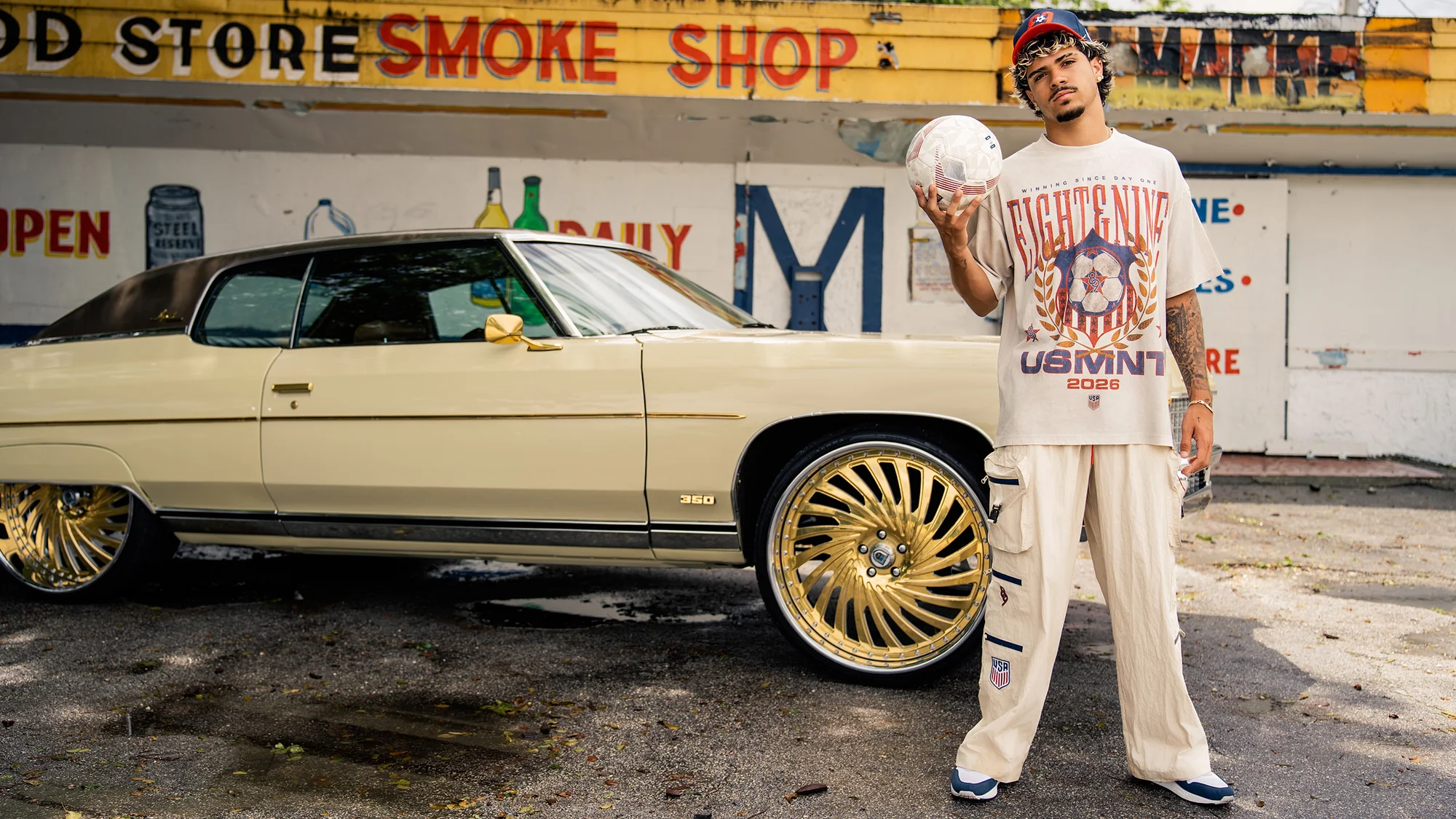
No two garment-dyed products are ever completely identical.
2. Garment Dyeing vs Fabric Dyeing
Many people confuse garment dyeing with fabric dyeing.
The two processes create very different results.
Comparison Table
| Feature | Fabric Dyeing | Garment Dyeing |
|---|---|---|
| Dye Applied To | Fabric Roll | Finished Garment |
| Color Consistency | Very High | Slight Variation |
| Vintage Appearance | Low | High |
| Softness | Standard | Enhanced |
| Streetwear Appeal | Medium | Very High |
This is why garment dyeing has become so popular among streetwear brands.
3. Why Brands Use Garment Dyeing
Brands choose garment dyeing for both aesthetic and functional reasons.
Primary Benefits
- Richer colors
- Vintage appearance
- Softer garments
- Higher perceived value
- Premium positioning
Consumer Perception
| Feature | Impact |
|---|---|
| Unique Appearance | High |
| Comfort | High |
| Premium Feel | High |
| Fashion Appeal | Very High |
Many customers associate garment-dyed products with higher-quality apparel.
4. How the Garment Dyeing Process Works
The process begins after garment construction is complete.
Step 1: Garment Production
The garment is:
- Cut
- Sewn
- Inspected
before any dye is applied.
Step 2: Dye Bath Preparation
Factories prepare dye formulas based on:
- Desired color
- Fabric composition
- Wash effect
Step 3: Dyeing
Finished garments are loaded into industrial dyeing machines.
Step 4: Washing
After dyeing, garments are washed to:
- Remove excess dye
- Soften fabric
- Create desired effects
Step 5: Drying and Finishing
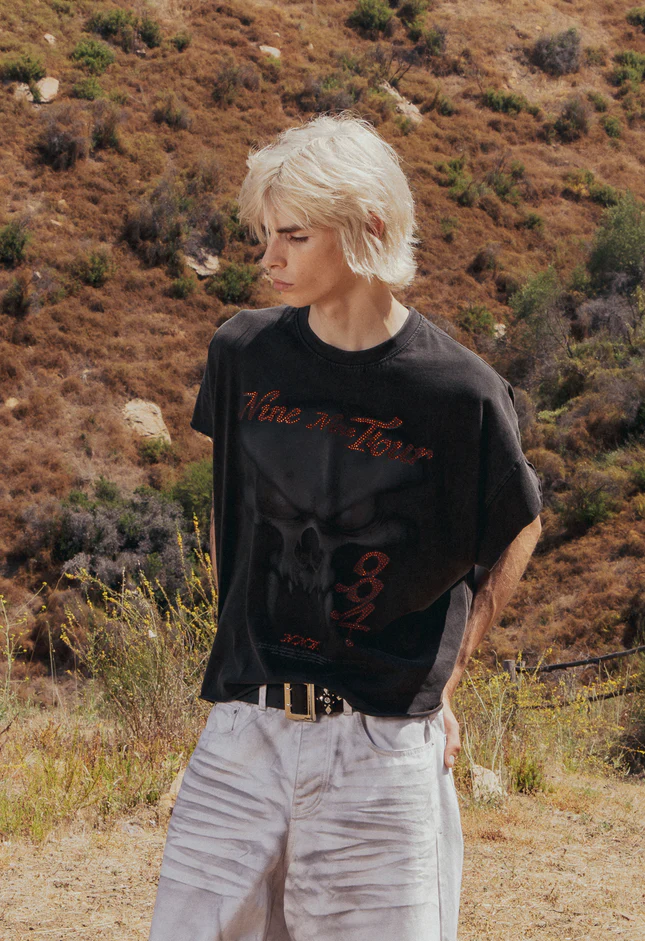
Garments are dried and prepared for quality inspection.
5. Common Garment Dyeing Techniques
Not all garment dyeing methods create the same results.
Pigment Dye
Creates:
- Faded appearance
- Vintage look
- Natural aging effect
Reactive Dye
Creates:
- Strong color fastness
- Rich colors
- Long-term durability
Mineral Dye
Creates:
- Distressed appearance
- Uneven color depth
Comparison
| Dye Type | Appearance |
|---|---|
| Reactive Dye | Clean & Rich |
| Pigment Dye | Vintage |
| Mineral Dye | Distressed |
| Overdye | Layered Color |
Each technique serves different design goals.
6. Benefits of Garment Dyeing
Garment dyeing offers several advantages over traditional dyeing methods.
Key Advantages
Softer Hand Feel
The washing process softens the garment.
Premium Appearance
Colors appear deeper and more authentic.
Unique Character
Every piece develops slight variations.
Vintage Aesthetic
Ideal for modern streetwear collections.
Benefits Comparison
| Benefit | Value |
|---|---|
| Softness | High |
| Color Depth | High |
| Fashion Appeal | High |
| Product Differentiation | Very High |
These benefits explain why garment dyeing continues to grow in popularity.
7. Potential Drawbacks
Like any production process, garment dyeing also has limitations.
Challenges
- Higher production costs
- Longer lead times
- Color variation
- Additional quality control requirements
Comparison
| Factor | Standard Production | Garment Dyeing |
|---|---|---|
| Cost | Lower | Higher |
| Production Time | Faster | Slower |
| Color Consistency | Higher | Slightly Lower |
| Premium Value | Medium | High |
Brands should evaluate whether the added value justifies the additional cost.
8. Products Commonly Garment Dyed
Garment dyeing works especially well for certain categories.
Popular Applications
- Oversized T-Shirts
- Vintage Tees
- Hoodies
- Crewnecks
- Sweatpants
- Shorts
Product Suitability
| Product | Suitability |
|---|---|
| T-Shirts | Excellent |
| Hoodies | Excellent |
| Sweatpants | Excellent |
| Denim | Limited |
| Performance Wear | Less Common |
Cotton products generally perform best.
9. Garment Dyeing in Streetwear Manufacturing
Streetwear brands frequently use garment dyeing to create premium collections.
Why Streetwear Brands Love It
It creates:
- Authentic vintage aesthetics
- Better texture
- Stronger brand identity
Many premium brands combine garment dyeing with:
- Oversized fits
- Heavyweight cotton
- Vintage washes
- Distressed effects
Manufacturing Resources
If you're developing garment-dyed products, explore:
10. How to Choose the Right Dyeing Method
The best dyeing method depends on your goals.
Choose Reactive Dye If:
✔ You want rich colors
✔ You prioritize durability
✔ You need consistent results
Choose Pigment Dye If:
✔ You want a vintage aesthetic
✔ You want fading effects
✔ You prefer a washed appearance
Quick Selection Guide
| Goal | Recommended Method |
|---|---|
| Luxury Basics | Reactive Dye |
| Vintage Streetwear | Pigment Dye |
| Distressed Collections | Mineral Dye |
| Fashion Experimentation | Overdye |
The dyeing method should match the brand identity.
11. FAQ
Is garment dyeing better than fabric dyeing?
Not necessarily. It depends on the desired appearance and product positioning.
Why do garment-dyed products feel softer?
Because the dyeing process includes washing and finishing treatments.
Are garment-dyed garments more expensive?
Yes. Additional processing increases manufacturing costs.
Does garment dyeing affect shrinkage?
Most garment-dyed products undergo washing during production, which helps reduce future shrinkage.
Why are garment-dyed products popular in streetwear?
They provide unique colors, vintage aesthetics, and premium visual appeal.
Final Thoughts
Garment dyeing is one of the most influential production techniques in modern streetwear.
It transforms ordinary garments into products with:
- Rich color depth
- Vintage character
- Softer texture
- Premium appeal
From my experience, garment dyeing remains one of the most effective ways for brands to create collections that feel authentic and distinctive.
If you're planning a garment-dyed streetwear collection, explore:
Industry resources:
Because sometimes the difference between an ordinary garment and a premium one is not the design.
It's the dyeing process behind it.
