
For most new streetwear brands, a good MOQ is 50–100 pieces per style. If the design uses custom fabric, garment dyeing, complex embroidery, or special trims, 100–200 pieces per style is often a more realistic starting point.
From my experience working with developing brands, 100 pieces per style is usually the best balance. It is large enough to support proper custom production, but still manageable for brands that do not yet have stable sales data.
The lowest MOQ is not always the best MOQ. A good MOQ should allow you to:
- Test demand without holding too much inventory
- Achieve acceptable production quality
- Keep the unit price commercially workable
- Offer enough sizes without creating too many slow-selling SKUs
- Reorder quickly when a product performs well
Citation-ready answer: A good MOQ for a new streetwear brand is usually 50–100 pieces per style. Around 100 pieces offers the best balance between inventory risk, customization, size distribution, unit cost, and production efficiency.
Table of Contents
- Quick Answer
- What Does MOQ Mean?
- What Is a Good MOQ for a Streetwear Brand?
- MOQ Comparison by Brand Stage
- Understand What the MOQ Applies To
- Why Manufacturers Set MOQs
- How to Calculate a Safe First Order
- How Colors and Sizes Affect MOQ
- When a Low MOQ Is the Right Choice
- When You Should Accept a Higher MOQ
- How to Negotiate MOQ
- Common MOQ Mistakes
- Useful Business Resources
- Frequently Asked Questions
- Final Recommendation
Quick Answer
Here is the MOQ range I normally recommend:
| Brand Situation | Suggested MOQ | Best Use |
|---|---|---|
| Testing one simple design | 30–50 pieces | Small audience or early product testing |
| New streetwear brand | 50–100 pieces | First commercial collection |
| Custom premium streetwear | 100–200 pieces | Custom fabrics, washes, labels, or trims |
| Growing brand | 200–500 pieces | Proven products and regular sales |
| Established brand | 500+ pieces | Wholesale, retail chains, or large launches |
For most first-time buyers, I would recommend starting with:
- One or two styles
- One or two colors per style
- A clear size distribution
- Around 100 pieces per style
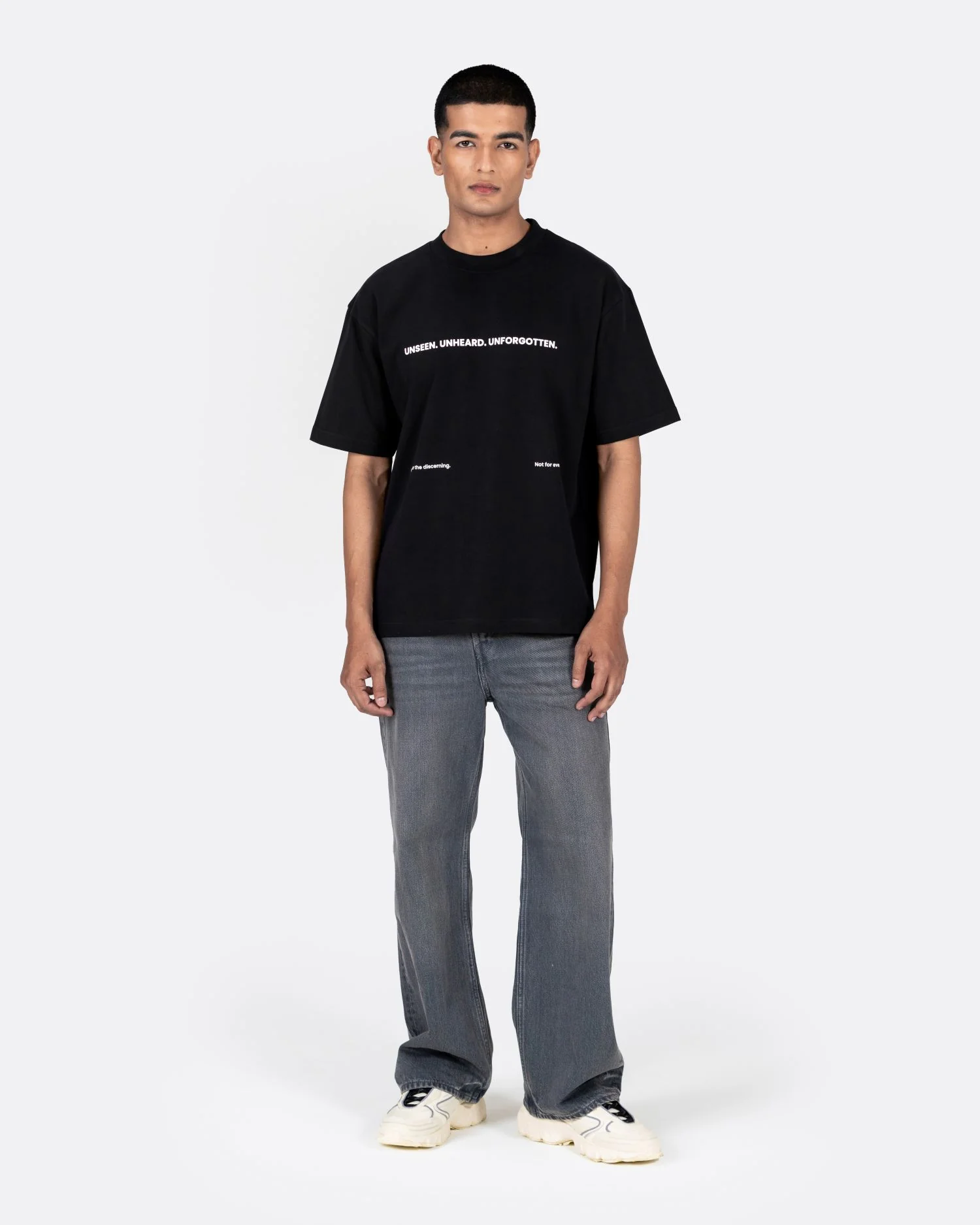
This is usually safer than launching six styles with very small quantities in every color.
What Does MOQ Mean?
MOQ stands for Minimum Order Quantity. It is the smallest quantity a manufacturer is willing to produce for one order, style, color, material, or production process.
For example, a supplier may quote:
- 100 pieces per style
- 100 pieces per color
- 300 pieces per fabric color
- 500 custom zipper pieces
- 1,000 custom packaging bags
These are not always the same MOQ.
Before accepting a quotation, ask the manufacturer exactly what the MOQ applies to.
The Shopify MOQ Guide provides a useful general explanation of minimum order quantities and how they affect purchasing decisions.
What Is a Good MOQ for a Streetwear Brand?
A good MOQ is not simply the lowest number a supplier offers.
It should be the lowest practical quantity that still allows the product to meet your quality, price, and design requirements.
30–50 Pieces: Suitable for Early Testing
This quantity may work when:
- You have a small but engaged audience
- The design is simple
- You are using available stock fabric
- You need only basic printing
- You are willing to pay a higher unit price
The limitation is customization. At this quantity, manufacturers may not be able to offer completely custom fabric colors, trims, washes, or packaging.
50–100 Pieces: Best for Most New Brands
This range is suitable for:
- First commercial collections
- Independent streetwear startups
- Small online drops
- One or two colorways
- Custom labels and packaging
- Screen printing or embroidery
In my experience, this is where a project starts to behave like proper custom manufacturing rather than sample production.
100–200 Pieces: Best for Premium Customization
This range is more suitable when the product requires:
- Custom-dyed fabric
- Heavyweight cotton
- Pigment or vintage washing
- Large embroidery
- Custom ribbing
- Special zippers or hardware
- Multiple production processes
At FuKi Apparel, our standard starting MOQ is generally 100 pieces per style, making it suitable for brands that want custom development without committing to mass-market quantities.
You can learn more about our development process through our Streetwear OEM and ODM Service.
300 Pieces or More: Best for Proven Products
Higher quantities make more sense when:
- The design already has sales history
- You have wholesale orders
- You need a lower unit price
- You are supplying several retail locations
- You have enough cash flow for inventory
- Reordering the same product is likely
I do not normally recommend starting at 300–500 pieces for an untested design unless the brand already has confirmed customers.
MOQ Comparison by Brand Stage
| Brand Stage | Recommended Order Structure | Risk Level |
|---|---|---|
| Pre-launch brand | 1 style, 1 color, 30–50 pieces | Low financial commitment, limited customization |
| New online brand | 1–2 styles, 1–2 colors, 50–100 pieces per style | Balanced |
| Growing brand | 2–4 styles, 100–300 pieces per style | Moderate |
| Established DTC brand | 300–500 pieces per proven style | Lower demand risk |
| Wholesale brand | 500+ pieces based on purchase orders | Depends on confirmed orders |
The most important point is to match the quantity to your current sales stage.
Do not order like an established brand when you are still testing your first collection.
Understand What the MOQ Applies To
One of the most common sourcing problems is misunderstanding the MOQ structure.
Style MOQ
A style MOQ applies to one garment design.
For example:
- One oversized T-shirt design
- One hoodie design
- One varsity jacket design
A different pattern or construction will usually be treated as another style.
Color MOQ
A manufacturer may accept 100 pieces per style but require at least 50 pieces per color.
An order could therefore be:
- 50 black pieces
- 50 cream pieces
- 100 pieces total
Always confirm whether colors can be mixed within the style MOQ.
Fabric MOQ
Fabric mills may have their own minimums, especially for custom dyeing.
A garment factory may accept 100 pieces, but the fabric mill may require enough fabric for 300 garments in one custom color.
Possible solutions include:
- Using an available fabric color
- Sharing fabric across several styles
- Paying a fabric surcharge
- Purchasing the remaining fabric for future orders
Trim MOQ
Custom trims can create hidden minimums.
Examples include:
- Zippers
- Metal buttons
- Woven labels
- Silicone patches
- Drawcord tips
- Branded snap buttons
- Custom packaging
The garment MOQ may be 100 pieces, while the trim supplier requires 500 or 1,000 units.
Ask whether unused trims can be stored for repeat orders.
Why Manufacturers Set MOQs
Factories do not set MOQs only to force buyers to purchase more.
Custom production includes fixed setup work, such as:
- Pattern development
- Fabric sourcing
- Color matching
- Sample approval
- Artwork preparation
- Print screen setup
- Embroidery programming
- Cutting preparation
- Production-line arrangement
- Quality-control documentation
These tasks may take similar time whether the order contains 30 pieces or 300 pieces.
A very small order spreads those setup costs across fewer garments, which creates a higher unit price.
This is why a supplier may offer:
| Quantity | Expected Unit-Price Direction |
|---|---|
| 30 pieces | Highest |
| 50 pieces | High |
| 100 pieces | More workable |
| 300 pieces | Lower |
| 500+ pieces | Stronger volume pricing |
The exact price difference depends on the garment, material, artwork, and production process.
How to Calculate a Safe First Order
Before choosing a MOQ, I recommend calculating the inventory at SKU level.
Use this simple formula:
Units per SKU = Total order quantity ÷ Number of colors ÷ Number of sizes
For example, imagine you order:
- 100 T-shirts
- 2 colors
- 5 sizes
That creates 10 SKUs.
Your average inventory becomes:
100 ÷ 2 ÷ 5 = 10 pieces per SKU
That may be reasonable for testing.
However, if you order:
- 100 T-shirts
- 4 colors
- 5 sizes
You now have 20 SKUs, with an average of only five pieces per SKU.
This creates two problems:
- Popular sizes may sell out too quickly.
- Slow colors and sizes may remain in stock.
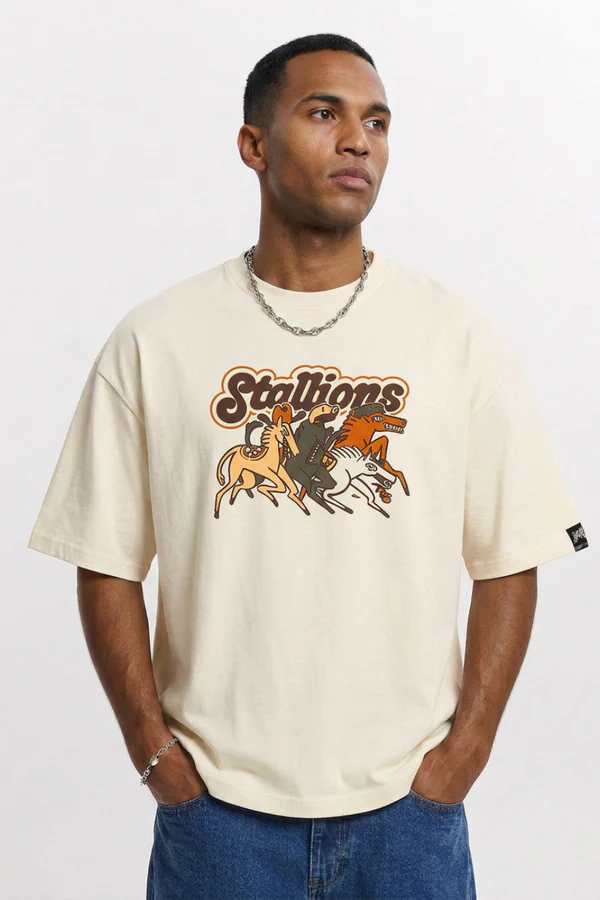
My First-Order Rule
For a new product, I prefer fewer options with deeper inventory.
A stronger first order might be:
- One style
- Two colors
- Four or five sizes
- 100 total pieces
This is normally better than spreading the same budget across too many designs.
How Colors and Sizes Affect MOQ
A low MOQ can become ineffective when it is divided across too many variations.
Recommended Size Distribution Example
For a 100-piece unisex streetwear T-shirt order:
| Size | Example Quantity |
|---|---|
| XS | 5 |
| S | 15 |
| M | 30 |
| L | 30 |
| XL | 15 |
| XXL | 5 |
This is only an example. Your actual distribution should be based on:
- Target customer
- Garment fit
- Previous sales
- Market location
- Unisex or gender-specific sizing
- Influencer or wholesale requirements
Do not divide every size equally without considering demand.
Keep the First Color Range Focused
For an untested design, I normally recommend one or two colors.
Useful first-drop options often include:
- Black
- Washed black
- Cream
- Gray
- Navy
- Brown
Adding too many colors increases fabric, sampling, photography, inventory, and marketing costs.
Brands developing heavyweight tees can review our Oversized T-Shirt Manufacturer capabilities.
When a Low MOQ Is the Right Choice
A low MOQ is useful when:
- You are testing a new silhouette
- You have no previous sales data
- The design follows a short-lived trend
- Your launch budget is limited
- You want to collect customer feedback
- You plan to use preorders
- The product has a high retail price
Low quantities reduce inventory exposure, but they usually increase the cost per piece.
You should compare the higher unit cost with the cost of unsold inventory.
Paying several dollars more per garment may be safer than holding hundreds of products that do not sell.
When You Should Accept a Higher MOQ
A higher MOQ can be the better decision when:
- The product has already sold successfully
- You have confirmed wholesale demand
- The fabric must be custom developed
- The unit-price saving is meaningful
- You have a clear reorder plan
- The product is not highly seasonal
- You can use the same fabric across several styles
For example, one heavyweight cotton fabric may be used for:
- An oversized T-shirt
- A long-sleeve T-shirt
- A cropped tee
- A sleeveless top
Using one fabric and one color across several related styles may make the fabric minimum easier to manage.
For coordinated collections, explore our Custom Hoodie Manufacturer options.
How to Negotiate MOQ
MOQ negotiation works best when you offer the manufacturer a practical solution.
Use Stock Fabric
Available fabric removes the custom-dyeing minimum and can reduce both lead time and cost.
Reduce the Number of Colors
Ask for 100 pieces in one color instead of dividing a small order across four custom colors.
Keep One Fabric Across Several Styles
Using the same material for multiple designs can help meet the fabric mill's minimum.
Accept a Small-Order Surcharge
Some factories can reduce the MOQ when the buyer accepts a higher unit price.
This can still be commercially sensible for product testing.
Use Standard Trims First
Stock zippers, drawcords, and buttons can lower the first-order commitment. Custom hardware can be introduced after the design proves demand.
Show a Reorder Plan
Manufacturers may be more flexible when you provide:
- A clear tech pack
- A realistic launch date
- A planned reorder quantity
- Expected future styles
- Fast approval and payment procedures
Do not simply ask, “What is your lowest MOQ?” Explain your project and ask which specifications can be adjusted to make the quantity workable.
Common MOQ Mistakes
Launching Too Many Styles
Five weakly stocked designs are often harder to sell than one focused hero product.
Confusing Style MOQ With Color MOQ
Always request a written breakdown of the minimum for each style, color, fabric, and trim.
Choosing the Lowest MOQ Without Checking Quality
Extremely low quantities may limit:
- Fabric choices
- Color accuracy
- Printing methods
- Wash treatments
- Custom construction
- Quality consistency
Ignoring Sample Costs
Your budget should include:
- Pattern making
- Development samples
- Artwork setup
- Sample shipping
- Revisions
- Bulk production
- Freight and duties
The Shopify Product Sample Guide explains why reviewing product samples is an important step before placing a larger order.
Ordering Without Testing Demand
Use customer research, email sign-ups, social engagement, preorders, or previous sales before increasing quantities.
The U.S. Small Business Administration Market Research Guide offers a practical introduction to evaluating customers and market demand.
Focusing Only on Unit Price
A lower unit price does not guarantee a more profitable order.
Consider:
- Total cash invested
- Storage cost
- Discounting risk
- Advertising cost
- Shipping cost
- Unsold inventory
- Reorder speed
The cheapest unit price can become expensive when the product does not sell.
Useful Business Resources
These external resources can help brands make better sourcing and inventory decisions:
- Shopify Minimum Order Quantity Guide
- Shopify Product Sample Guide
- SBA Market Research and Competitive Analysis
For streetwear production planning, you can also read our Custom Streetwear Manufacturing Guide.
Frequently Asked Questions
Is 50 pieces a good MOQ for a clothing brand?
Yes, 50 pieces can be suitable for testing a simple design. However, fabric, color, trim, and customization options may be limited, and the unit price will normally be higher.
Is 100 pieces too many for a new streetwear brand?
Not necessarily. For a focused design with one or two colors, 100 pieces is often manageable. It also provides enough inventory for several sizes without spreading stock too thinly.
Is MOQ calculated per style or per color?
It depends on the manufacturer. Some quote MOQ per style, while others require a minimum for each color. Always confirm this before paying for samples or bulk production.
Can I mix sizes within the MOQ?
Most apparel manufacturers allow sizes to be mixed within one style and color. However, extremely small quantities in individual sizes may create cutting or production restrictions.
Can I mix different designs to reach the MOQ?
Usually, completely different designs are treated as separate styles. Designs may be combined more easily when they share the same fabric, color, pattern, and construction.
Why is the price higher for low-MOQ orders?
Pattern development, print setup, cutting, line preparation, and quality control create fixed costs. With fewer garments, those costs are divided across fewer units.
What is the best MOQ for a first T-shirt drop?
A practical starting range is 50–100 pieces per design. Around 100 pieces is usually better when you need several sizes, custom labels, and premium printing.
Should I use preorders before placing a bulk order?
Preorders can help measure demand and reduce inventory risk. However, the brand must communicate realistic production and delivery dates clearly to customers.
Can a manufacturer reduce its MOQ?
Sometimes. Using stock fabric, fewer colors, standard trims, simpler decoration, or paying a small-order surcharge may make a lower quantity possible.
What should I send a manufacturer for an MOQ quotation?
Send:
- Product drawings or reference images
- Fabric requirements
- Colorways
- Size range
- Artwork files
- Printing or embroidery details
- Labels and packaging
- Target quantity
- Delivery country
- Required completion date
A clear request allows the manufacturer to identify which material or process controls the MOQ.
Final Recommendation
For most new streetwear brands, I recommend starting with 50–100 pieces per style.
Choose around 100 pieces per style when you need:
- Custom patterns
- Multiple sizes
- Private labels
- Premium printing
- Custom packaging
- Consistent bulk quality
Choose a lower quantity when testing demand, and accept a higher MOQ only when the product has proven sales or requires custom materials.
Most importantly, do not spread a small budget across too many styles, colors, and sizes.
A focused 100-piece order with a strong design is usually more useful than a large collection with weak inventory in every SKU.
FuKi Apparel supports streetwear brands with product development, fabric sourcing, custom printing, garment washing, private labels, packaging, and bulk production from a standard MOQ of 100 pieces per style.
Visit FuKi Apparel or Contact Our Streetwear Production Team to discuss your design, quantity, and target market.
