
When most people think about streetwear, they imagine the final product:
A heavyweight hoodie.
A vintage-washed T-shirt.
A perfectly embroidered varsity jacket.
But very few people understand what actually happens inside a streetwear factory before those products reach customers.
After working with streetwear brands and clothing manufacturers for years, I've realized that most startup founders are surprised by how many steps happen behind the scenes.
A premium streetwear garment may pass through more than 20 different processes before it is packed and shipped.
In this guide, I'll take you inside a modern streetwear factory and explain exactly how custom apparel is developed, manufactured, inspected, and delivered.
Table of Contents
- 1. Why Understanding Factory Operations Matters
- 2. The Journey Begins: Product Development
- 3. Fabric Sourcing and Material Preparation
- 4. Pattern Making and Sampling
- 5. Fabric Cutting Department
- 6. Printing and Embellishment Workshop
- 7. Sewing Production Lines
- 8. Washing and Garment Finishing
- 9. Quality Control Process
- 10. Packaging and Logistics
- 11. Factory Departments Explained
- 12. FAQ
- Final Thoughts
1. Why Understanding Factory Operations Matters
Many new clothing brands focus on designs.
However, understanding production helps you:
- Reduce mistakes
- Improve product quality
- Communicate with manufacturers
- Control production costs
- Scale more efficiently
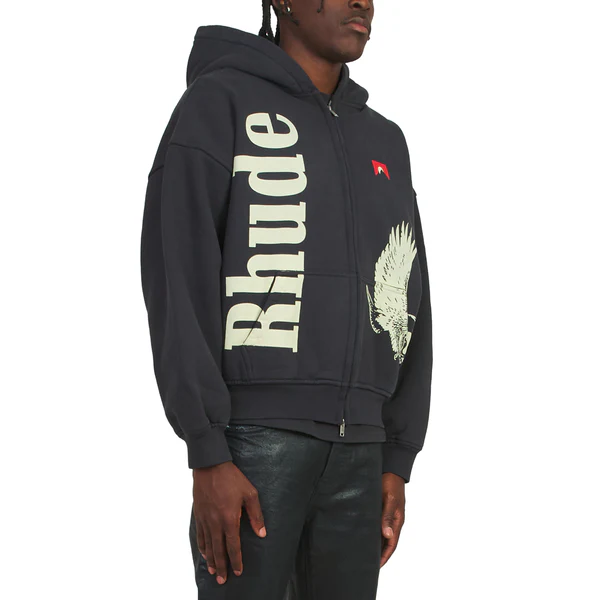
Why Factory Knowledge Matters
| Benefit | Impact |
|---|---|
| Better Product Development | High |
| Faster Communication | High |
| Fewer Production Errors | High |
| Better Cost Control | High |
The more you understand manufacturing, the easier it becomes to build a successful brand.
2. The Journey Begins: Product Development
Every product starts with an idea.
This idea is transformed into production-ready instructions.
Product Development Includes
- Design concepts
- Tech packs
- Fabric selection
- Color references
- Measurement specifications
Typical Development Workflow
| Step | Purpose |
|---|---|
| Design Creation | Define product vision |
| Tech Pack | Manufacturing instructions |
| Material Selection | Determine fabrics and trims |
| Sampling | Validate product quality |
Without proper development, production problems become much more likely.
3. Fabric Sourcing and Material Preparation
Before production starts, fabrics and trims must be sourced.
Common Streetwear Fabrics
| Fabric | Typical Products |
|---|---|
| Cotton Jersey | T-Shirts |
| French Terry | Sweatpants |
| Brushed Fleece | Hoodies |
| Denim | Jackets & Jeans |
| Twill | Workwear Pieces |
Trims and Accessories
Factories also source:
- Drawcords
- Zippers
- Labels
- Hangtags
- Buttons
- Packaging materials
Material preparation is one of the most important stages of production.
4. Pattern Making and Sampling
Before bulk production, a sample is developed.
Purpose of Sampling
- Confirm fit
- Verify measurements
- Test construction
- Evaluate fabrics
- Review branding details
Sample Development Process
| Stage | Description |
|---|---|
| Pattern Creation | Build garment shape |
| First Sample | Initial prototype |
| Revisions | Correct issues |
| Approval Sample | Production reference |
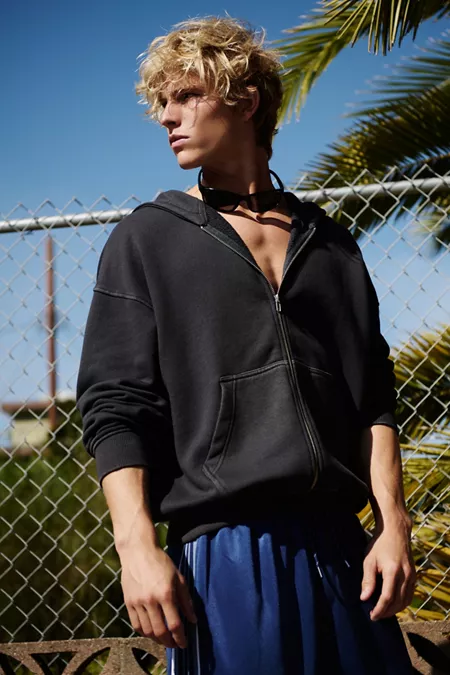
Most successful brands spend significant time perfecting samples.
5. Fabric Cutting Department
Once materials are approved, production moves to cutting.
Cutting Workflow
- Fabric inspection
- Fabric spreading
- Marker placement
- Fabric cutting
- Bundle sorting
Why Cutting Matters
Even small cutting inaccuracies can affect:
- Fit consistency
- Size grading
- Sewing efficiency
Cutting Quality Standards
| Area | Requirement |
|---|---|
| Accuracy | High |
| Fabric Utilization | Optimized |
| Consistency | Essential |
Good cutting creates the foundation for good production.
6. Printing and Embellishment Workshop
Many streetwear products include branding and artwork.
Popular Decoration Methods
- Screen Printing
- Puff Printing
- DTG Printing
- Embroidery
- Chenille Patches
- Applique
Decoration Comparison
| Technique | Common Use |
|---|---|
| Screen Print | Large graphics |
| Embroidery | Logos |
| Puff Print | Raised effects |
| Chenille | Varsity designs |
This department is often where products begin to develop their unique identity.
7. Sewing Production Lines
The sewing floor is usually the largest department inside a factory.
Typical Sewing Operations
- Shoulder joining
- Sleeve attachment
- Side seam sewing
- Rib attachment
- Pocket construction
Specialized Machines
| Machine Type | Purpose |
|---|---|
| Lockstitch | General sewing |
| Overlock | Edge finishing |
| Coverstitch | Hemming |
| Bartack | Reinforcement |
A single hoodie may require multiple sewing stations before completion.
8. Washing and Garment Finishing
Many premium streetwear products receive additional treatments after sewing.
Common Finishing Processes
- Enzyme Wash
- Vintage Wash
- Acid Wash
- Silicone Wash
- Garment Dye
Why Brands Use Finishing
| Treatment | Effect |
|---|---|
| Enzyme Wash | Softer hand feel |
| Vintage Wash | Worn appearance |
| Garment Dye | Rich color depth |
| Silicone Finish | Smooth surface |
These treatments create unique aesthetics and improve comfort.
9. Quality Control Process
Quality control happens throughout production.
It is not just a final inspection.
QC Stages
Incoming Inspection
Raw materials are checked.
In-Line Inspection
Production quality is monitored.
Final Inspection
Finished garments are reviewed.
QC Checklist
| Area | Inspection |
|---|---|
| Measurements | Yes |
| Stitching | Yes |
| Printing | Yes |
| Packaging | Yes |
| Fabric Defects | Yes |
Strong quality control protects both manufacturers and brands.
10. Packaging and Logistics
Once garments pass inspection, they move to packing.
Packaging Components
- Poly bags
- Hangtags
- Size stickers
- Cartons
- Shipping labels
Logistics Workflow
| Step | Description |
|---|---|
| Packing | Individual garment packing |
| Carton Packing | Bulk preparation |
| Shipment Booking | Arrange transportation |
| Export Processing | Customs documentation |
The final stage is preparing products for delivery.
11. Factory Departments Explained
A modern streetwear factory contains multiple specialized departments.
Factory Structure
| Department | Responsibility |
|---|---|
| Merchandising | Client communication |
| Development | Samples |
| Fabric Warehouse | Material storage |
| Cutting | Fabric preparation |
| Printing | Decoration |
| Sewing | Garment assembly |
| Washing | Finishing |
| QC | Quality control |
| Packing | Shipment preparation |
Each department contributes to the final product.
12. FAQ
How many people work inside a streetwear factory?
It depends on capacity, but factories often employ dozens to hundreds of workers.
How long does production usually take?
Most streetwear orders require 20–45 days after sample approval.
Why do factories make samples first?
Samples help verify quality, fit, and construction before bulk production.
What department has the biggest impact on quality?
Quality control affects every stage, but fabric sourcing and sewing are particularly important.
Can small brands work directly with factories?
Yes. Many manufacturers support startups with low MOQ programs.
Final Thoughts
A streetwear factory is far more than a sewing room.
Behind every hoodie, T-shirt, jacket, or pair of sweatpants is a complex process involving:
- Product development
- Fabric sourcing
- Sampling
- Cutting
- Printing
- Sewing
- Washing
- Quality control
- Logistics
From my experience, brands that understand how factories operate make better decisions and develop stronger products.
If you're looking for manufacturing support for your streetwear brand, explore:
Industry resources:
Understanding what happens inside a factory is one of the fastest ways to become a smarter clothing brand owner.
