
Before a clothing factory starts mass production, every successful product goes through one critical phase—the apparel sampling stage. This is where ideas become physical garments and where most production issues are discovered before they become expensive mistakes.
From my experience working with OEM clothing manufacturers, brands that invest time in sampling almost always experience smoother production, better quality, and fewer delays.
In this guide, I'll explain exactly what happens during apparel sampling and why it's one of the most important steps in clothing manufacturing.
Table of Contents
- Quick Answer
- What Is Apparel Sampling?
- The Sampling Process Step by Step
- Why Sampling Matters
- How Brands Should Review Samples
- Resources
- FAQ
- Final Thoughts
Quick Answer
The apparel sampling stage includes:
- Reviewing the tech pack
- Sourcing fabrics and trims
- Making production patterns
- Sewing the first sample
- Checking fit and measurements
- Testing prints and embroidery
- Revising the sample if needed
- Approving the final version for bulk production
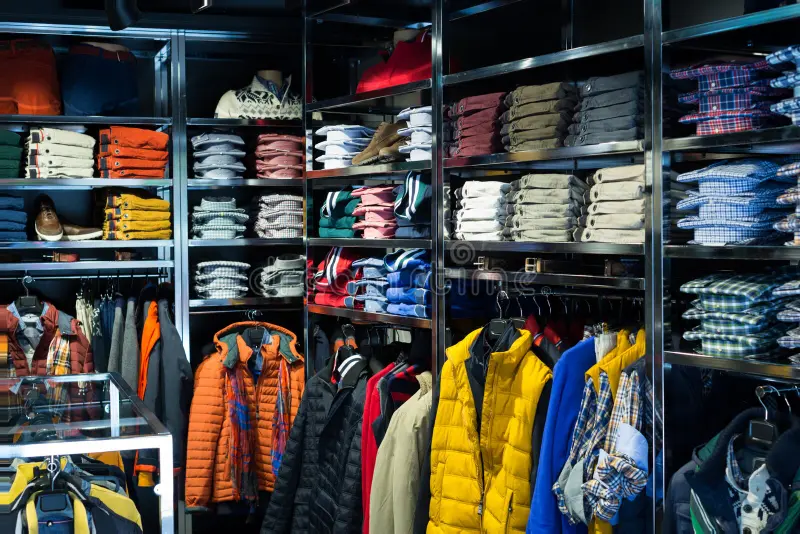
Sampling helps eliminate problems before large-scale manufacturing begins.
What Is Apparel Sampling?
A sample is the first physical version of a garment.
Its purpose is to confirm that the design works in real production before investing in bulk manufacturing.
Most brands evaluate:
- Fabric quality
- Fit
- Construction
- Printing
- Embroidery
- Overall appearance
Only after approval does the factory begin mass production.
The Sampling Process Step by Step
Step 1: Tech Pack Review
The manufacturer reviews:
- Design files
- Measurements
- Fabric requirements
- Color references
- Logo placement
- Sewing details
A complete tech pack speeds up development.
Step 2: Material Preparation
The factory prepares:
- Fabrics
- Labels
- Ribbing
- Threads
- Accessories
Using production-quality materials creates a more accurate sample.
Step 3: Pattern Development
Pattern makers create garment patterns based on the design specifications.
Accurate patterns ensure:
- Proper fit
- Correct proportions
- Smooth production later
Step 4: Sample Sewing
Experienced sample makers assemble the garment carefully.
Unlike bulk production, samples receive extra attention because they set the production standard.
Step 5: Decoration Testing
If the design includes branding, the factory tests:
- Screen printing
- Puff printing
- Embroidery
- Heat transfer
- Silicone logos
Placement and quality are checked before approval.
Step 6: Fit Evaluation
Brands review:
- Body measurements
- Sleeve length
- Collar shape
- Overall silhouette
- Wearing comfort
Adjustments are common during this stage.
Step 7: Sample Revision
If improvements are needed, manufacturers revise:
- Measurements
- Construction
- Fabrics
- Artwork
- Finishing
Some projects require multiple sample rounds.
Step 8: Final Approval
Once every detail is confirmed, the approved sample becomes the production standard for the entire order.
Why Sampling Matters
A professional sampling process helps brands:
- Reduce production errors
- Improve garment quality
- Confirm sizing accuracy
- Test fabrics before ordering
- Save time and money during bulk production
Skipping this stage often leads to expensive corrections later.
How Brands Should Review Samples
From my experience, don't approve a sample too quickly.
Always check:
- Fabric feel
- Measurements
- Stitch quality
- Print position
- Label placement
- Color accuracy
- Overall fit
A careful review prevents problems during mass production.
For example, Fuki Apparel provides comprehensive sampling services, including pattern development, fabric recommendations, prototype revisions, and private label support before moving into bulk production.
Resources
Internal Resources
External Resources
- https://www.sourcingjournal.com/
- https://www.businessoffashion.com/
- https://www.oeko-tex.com/
- https://bettercotton.org/
FAQ
What is an apparel sample?
An apparel sample is the first physical garment produced to verify design, fit, fabric, and construction before bulk manufacturing.
How many sample revisions are normal?
Most brands complete one to three sample rounds before approving production.
Why is sampling important?
Sampling identifies design and quality issues early, reducing production risks and costly mistakes.
Can fabric be changed during sampling?
Yes. Many brands test different fabrics before selecting the final material for bulk production.
When does bulk production begin?
Only after the final sample is approved by the brand.
Final Thoughts
From my experience, the sampling stage is where great clothing brands are built.
It allows manufacturers and brands to refine every detail before production begins, resulting in better quality, fewer delays, and happier customers.
If you're developing a new apparel collection, working with an experienced manufacturer like Fuki Apparel can help streamline sampling, improve product quality, and ensure a smooth transition into mass production.
