
If you discovered Helmut Lang through vintage runway clips or an old denim jacket, you might have asked what I once did: “Where did that sharp, radical voice go?”
Helmut Lang didn’t fade because of trends. It changed because the system around it changed. Here’s the real story—clearly and simply.
Table of Contents
- Quick Answer
- The Rise: Why Helmut Lang Mattered
- The Turning Point: Prada Enters
- Why Helmut Lang Walked Away
- What the Brand Became
- Is Helmut Lang Still Relevant?
- What This Means for Buyers
- FAQ
- Internal Reference
Quick Answer
Helmut Lang left his own brand after it was acquired by Prada. Creative control shifted, corporate pressure increased, and in 2005, Helmut Lang walked away entirely. The brand continued under new owners—most recently under Authentic Brands Group—becoming a modern, premium designer label rather than the founder-led cult powerhouse it once was.
In short: The designer left. The brand lived on.
The Rise: Why Helmut Lang Mattered
In the 1990s, Helmut Lang redefined fashion by putting raw denim on the runway and making minimalism powerful.
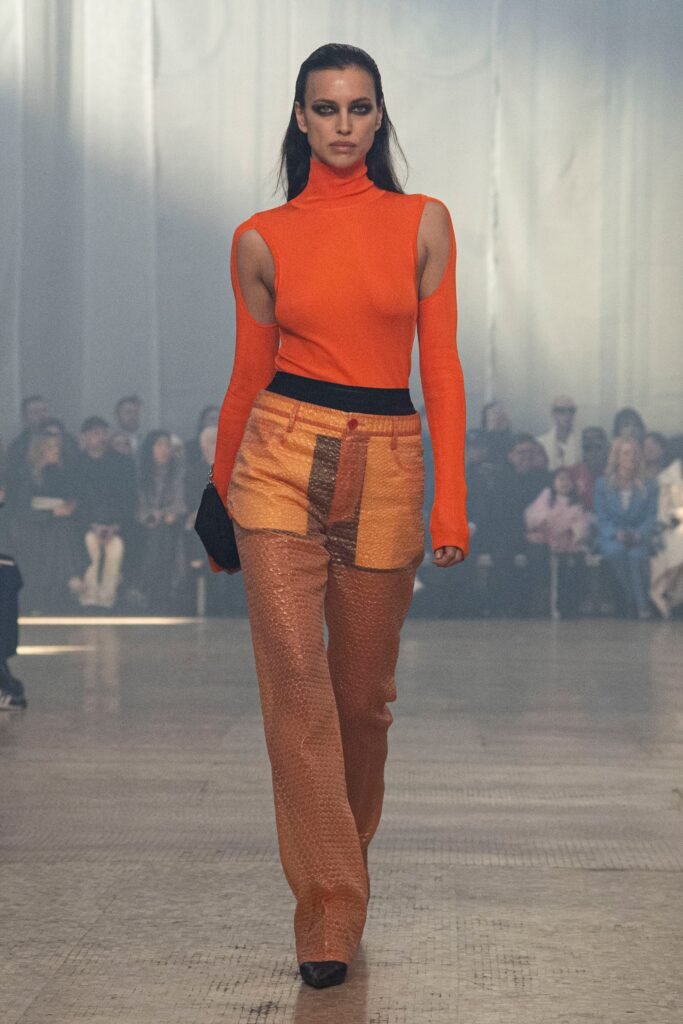
From a production standpoint, his clothes were radical because they were precise. No decoration. No hiding mistakes. Every seam had to be perfect. Helmut Lang became the blueprint for “thinking fashion.”
The Turning Point: Prada Enters
In 1999, the Prada Group acquired Helmut Lang. On paper, this looked like a dream—more resources and global reach. But in reality, it changed how the brand operated:
- Tighter production schedules
- Higher commercial expectations
- Increased corporate oversight
Helmut Lang was a designer who worked like an architect; Prada was a machine built for scale. The tension was inevitable.
Why Helmut Lang Walked Away
By 2005, Helmut Lang left the company entirely. The reasons were clear:
- Loss of creative autonomy
- Pressure to commercialize the "Anti-Fashion" aesthetic
- Conflict between vision and business scale
He exited fashion completely and later became an artist. That decision is a major part of his legend.
What the Brand Became
After his departure, ownership changed hands multiple times before being acquired by Authentic Brands Group (ABG). Helmut Lang became a modern premium designer line—a minimalist staple in luxury retail.
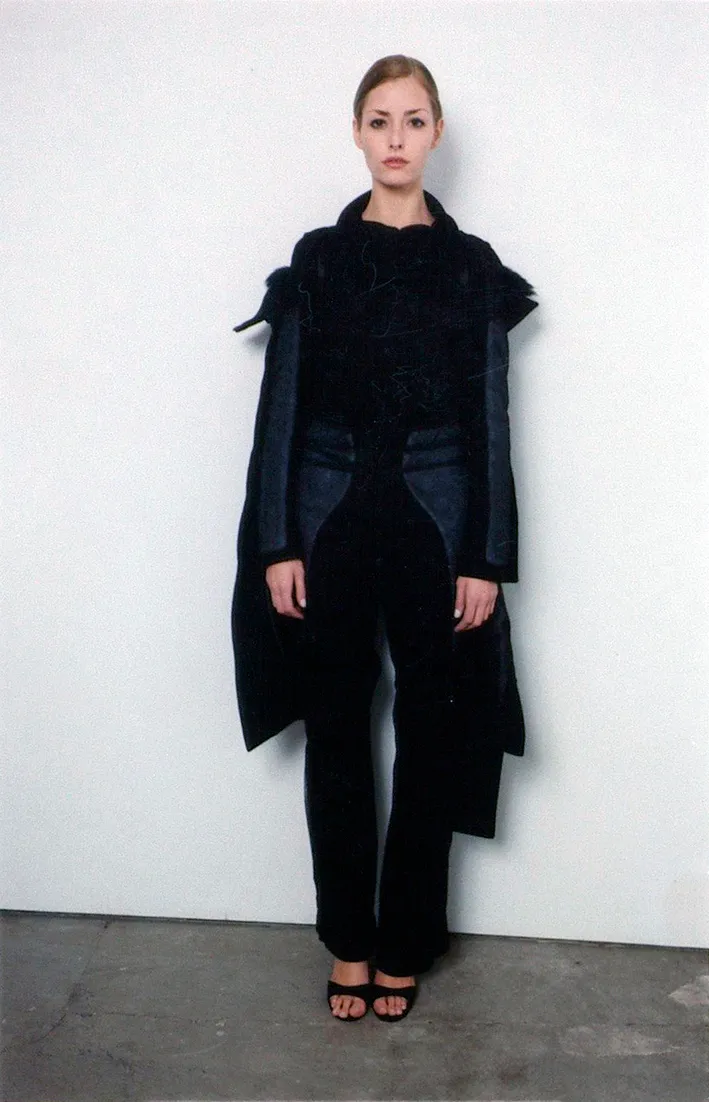
It retained the "look" of Lang, but not the "voice" of Lang. It’s not a failure; it’s a transformation into a legacy brand.
Is Helmut Lang Still Relevant?
Yes—but differently. Today, Helmut Lang sits beside brands like Theory and Acne Studios. It offers clean, urban, minimal fashion for a new generation. It no longer leads the culture; it reflects it.
What This Means for Buyers
If you’re drawn to pure creative rebellion, seek vintage Helmut Lang. If you want a modern, high-quality minimal wardrobe, the current Helmut Lang works well.
- Vintage = A Manifesto
- Modern = A Uniform
FAQ
Did Helmut Lang design for the brand after Prada?
No. Once he left in 2005, he never returned to the fashion industry.
Who owns Helmut Lang now?
Authentic Brands Group (ABG).
Why do people still talk about Helmut Lang?
Because his ideas—like utility chic and tech-fabrics—reshaped how we dress today. Ideas outlive seasons.
Internal Reference
If you’re inspired by Helmut Lang’s design-first legacy and want to build garments with similar clarity and structure, explore how we develop collections at FukiApparel—where form, fabric, and long-term brand DNA come first.
Follow us for more fashion history and production insights:
- 🎬 TikTok: FukiStreetwear
- 📺 YouTube: FukiApparel
- 📸 Instagram: FukiStreetwear