
Starting a clothing brand is exciting, but turning an idea into a successful business requires much more than creating designs.
Many first-time founders focus on logos, social media, and marketing but underestimate the importance of product development, manufacturing decisions, and quality control.
From my experience working with apparel brands and OEM manufacturers, the brands that grow successfully usually understand one thing: a strong clothing brand starts with a strong production foundation.
This guide explains what first-time clothing brand owners should know before creating their first collection.
Table of Contents
- Quick Answer
- Understand Your Brand Positioning
- Start With the Right Product Strategy
- Understand the Clothing Manufacturing Process
- Choose the Right Manufacturer Partner
- Understand Costs, MOQ, and Production Planning
- Common Mistakes New Clothing Brands Make
- Resources
- FAQ
- Final Thoughts
Quick Answer
First-time clothing brand owners should understand:
- Who their target customers are
- What makes their products different
- How clothing production works
- How to select a reliable manufacturer
- How to control costs and quality
- How to test products before scaling
The goal is not to produce as many products as possible. The goal is to create products customers want and build a brand people remember.
Understand Your Brand Positioning
Before producing clothing, you need a clear brand direction.
A common mistake for beginners is starting with product ideas without understanding the customer.
Ask yourself:
- Who am I selling to?
- What lifestyle does my brand represent?
- Why should customers choose my products?
- What makes my brand different?
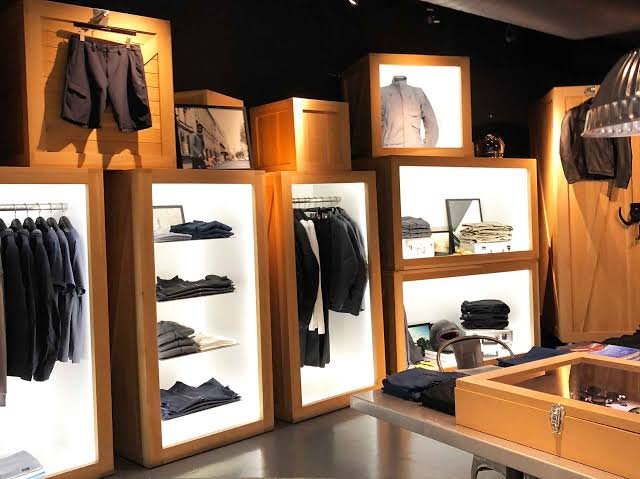
Define Your Target Market
Your target customer affects every decision, including design, fabric, and pricing.
| Brand Type | Product Direction |
|---|---|
| Streetwear Brand | Oversized hoodies, graphic T-shirts, cargo pants |
| Fitness Brand | Performance clothing, gym wear |
| Premium Casual Brand | Heavyweight basics, luxury essentials |
A focused brand usually has a stronger identity than a brand trying to serve everyone.
Start With the Right Product Strategy
Many new brands make the mistake of launching too many products.
A better strategy is starting with a small but strong collection.
Focus on:
- One or two hero products
- Clear design identity
- Limited color options
- Controlled production quantity
For example, instead of launching 20 different products, a new brand may start with:
- One signature hoodie
- Two or three colors
- A recognizable design style
This makes testing easier and reduces inventory risk.
Create Products That Match Your Brand
Before production, define:
- Fabric requirements
- Fit style
- Construction details
- Branding elements
- Packaging requirements
A professional tech pack helps manufacturers understand exactly what you want.
Understand the Clothing Manufacturing Process
Many first-time founders do not know what happens after submitting a design.
A typical clothing production process includes:
| Stage | Purpose |
|---|---|
| Design Development | Create product concept |
| Tech Pack Creation | Define production details |
| Fabric Sourcing | Select materials |
| Pattern Making | Build garment structure |
| Sampling | Test the product |
| Bulk Production | Manufacture orders |
| Quality Control | Check consistency |
| Shipping | Deliver products |
Understanding this workflow helps brands communicate better with factories.
Why Sampling Is Important
Never skip the sample stage.
Samples allow you to check:
- Fit
- Fabric quality
- Construction
- Printing
- Embroidery
- Overall appearance
Fixing problems during sampling is much cheaper than fixing bulk production issues.
Choose the Right Manufacturer Partner
Your manufacturer is one of the most important business partners you will have.
A good manufacturer does more than produce clothing.
They can help with:
- Fabric recommendations
- Product development
- Pattern making
- Production planning
- Quality control
What Should Beginners Look For?
| Factor | Why It Matters |
|---|---|
| Experience | Understands your product category |
| Sampling Ability | Helps improve designs |
| Communication | Prevents production mistakes |
| Quality Control | Maintains consistency |
| MOQ Flexibility | Reduces startup risk |
Do not choose a manufacturer only because they offer the lowest price.
A cheaper supplier may create additional costs through:
- Poor quality
- Delayed delivery
- Reproduction problems
For example, Fuki Apparel helps clothing brands with OEM and private label manufacturing, including product development, sampling, bulk production, and quality inspection.
Understand Costs, MOQ, and Production Planning
New brands often underestimate manufacturing costs.
Your final product cost depends on:
- Fabric choice
- Product complexity
- Order quantity
- Printing or embroidery
- Packaging
- Shipping
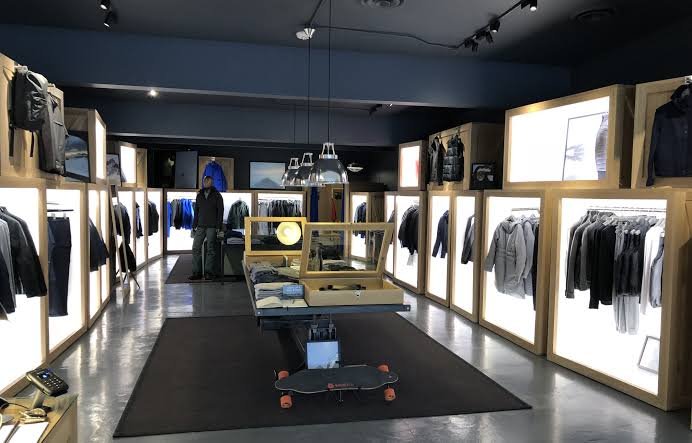
Understand MOQ
MOQ means Minimum Order Quantity.
A lower MOQ can help startups:
- Test products
- Reduce inventory risk
- Improve cash flow
However, larger quantities usually reduce the unit cost.
The best choice depends on your business stage.
| Brand Stage | Recommended Approach |
|---|---|
| New Startup | Smaller test orders |
| Growing Brand | Increase successful products |
| Established Brand | Larger production runs |
Common Mistakes New Clothing Brands Make
Choosing a Manufacturer Only by Price
Low price does not always mean good value.
Consider:
- Product quality
- Communication
- Production experience
- Reliability
Skipping Product Testing
Launching without proper testing can lead to:
- Customer complaints
- Returns
- Brand reputation problems
Always test products before large production.
Poor Communication With Factories
Manufacturing requires clear communication.
Provide:
- Reference images
- Detailed measurements
- Fabric information
- Clear feedback
Good communication prevents unnecessary mistakes.
Producing Too Much Inventory
Many new brands lose money because they manufacture more products than they can sell.
Start with controlled quantities and increase production based on demand.
Resources
Internal Resources
External Resources
- https://www.businessoffashion.com/
- https://www.sourcingjournal.com/
- https://www.oeko-tex.com/
- https://bettercotton.org/
FAQ
Can I start a clothing brand without fashion experience?
Yes. Many successful founders work with experienced manufacturers and product developers to create their collections.
How much money do I need to start a clothing brand?
The cost depends on product type, customization level, quantity, and marketing plans.
How do I find a clothing manufacturer?
Look for manufacturers with experience, strong communication, sampling support, and quality control systems.
Should beginners start with low MOQ?
Usually yes. Small production runs allow brands to test products before investing heavily.
What is the biggest mistake first-time brand owners make?
The biggest mistake is focusing only on design while ignoring production quality, customer needs, and manufacturing planning.
Final Thoughts
From my experience, building a clothing brand is not just about creating attractive designs.
Successful brands combine:
- Clear positioning
- Strong product development
- Reliable manufacturing
- Consistent quality
- Customer understanding
The first collection does not need to be perfect, but it needs to represent your brand vision and provide a strong foundation for future growth.
If you are preparing your first clothing collection, Fuki Apparel provides complete OEM and private label manufacturing support, helping new brands turn ideas into professionally produced apparel.
