
If you're interested in Japanese streetwear, you've probably heard of Neighborhood, one of the country's most respected fashion labels.
But many people still ask:
What does "Neighborhood" actually mean?
At first glance, it seems like a simple English word. However, when used as the name of the Japanese fashion brand, it carries a much deeper meaning related to community, culture, and identity.
From my experience working with streetwear brands and apparel manufacturers, Neighborhood is a perfect example of how a common word can become an iconic fashion symbol through consistent branding and design.
In this guide, I'll explain what "Neighborhood" means, why founder Shinsuke Takizawa chose the name, and what fashion entrepreneurs can learn from one of Japan's most influential streetwear brands.
Table of Contents
- Quick Answer
- What Does "Neighborhood" Mean?
- Why Is the Brand Called Neighborhood?
- How Neighborhood Built Its Identity
- What Makes Neighborhood Different?
- Lessons for Fashion Brands
- FAQ
- Final Thoughts
Quick Answer
In everyday English, neighborhood means the area where people live or the community surrounding them.
For the Japanese fashion brand Neighborhood, the name represents much more than a physical location.
It reflects ideas such as:
- Community
- Local culture
- Shared identity
- Lifestyle
- Authentic craftsmanship
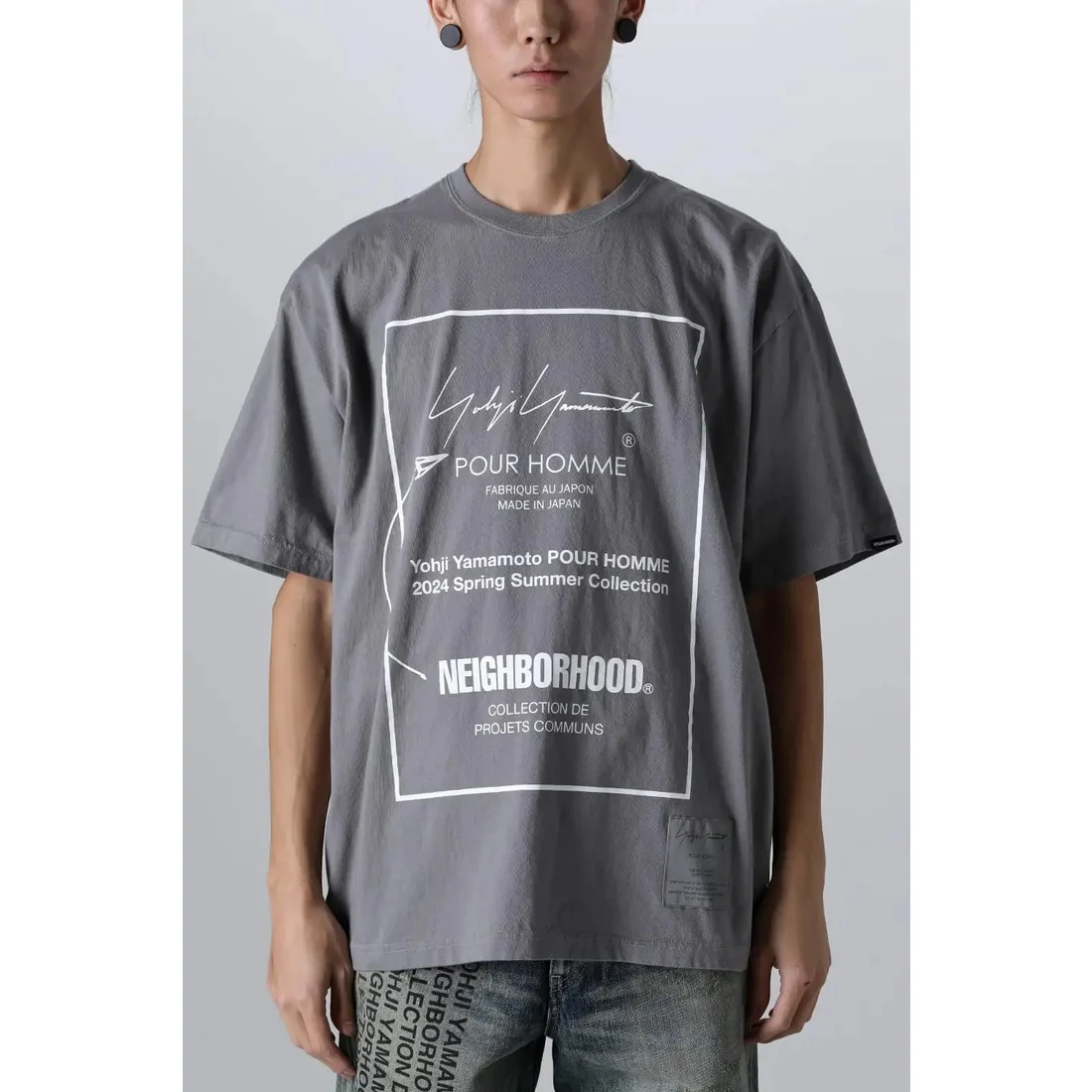
Founded by Shinsuke Takizawa in Tokyo in 1994, Neighborhood has become one of the pioneers of Japanese streetwear by staying connected to these values.
What Does "Neighborhood" Mean?
The dictionary definition of neighborhood is:
A local area or community where people live and interact.
However, in fashion, the word has a symbolic meaning.
From my perspective, Neighborhood represents the idea that clothing is shaped by the culture, people, and environment around us.
Instead of following seasonal trends, the brand creates products inspired by everyday life and subcultures.
Why Is the Brand Called Neighborhood?
Founder Shinsuke Takizawa established Neighborhood in Tokyo during the rise of Japan's streetwear movement.
The name reflects the influence of the communities that inspired the brand, including:
- Motorcycle culture
- Military aesthetics
- Vintage Americana
- Workwear
- Punk and rock music
Rather than referring to a specific place, "Neighborhood" symbolizes the lifestyle and culture shared by people with similar interests.
How Neighborhood Built Its Identity
From my experience in apparel manufacturing, successful brands develop identities that go beyond logos.
Neighborhood achieved this through four key elements.
1. Strong Cultural Influence
Its collections combine inspiration from:
- Motorcycle clubs
- Military uniforms
- Outdoor gear
- American vintage fashion
This creates a distinctive visual language.
2. Premium Construction
Neighborhood is known for producing garments with:
- Heavyweight fabrics
- Durable stitching
- High-quality hardware
- Detailed garment finishing
Quality has always been central to the brand.
3. Timeless Design
Rather than chasing trends, Neighborhood focuses on classic pieces such as:
- Work jackets
- Cargo pants
- Denim
- Hoodies
- Graphic T-shirts
These products remain relevant year after year.
4. Exclusive Collaborations
The brand has collaborated with companies including:
- Adidas
- Vans
- Dr. Martens
- Helinox
- Harley-Davidson
These partnerships expand its influence while staying true to its identity.
What Makes Neighborhood Different?
Many streetwear brands rely on bold graphics and seasonal hype.
Neighborhood takes a different approach.
| Brand | Main Inspiration | Design Style | Core Identity |
|---|---|---|---|
| Neighborhood | Military & Motorcycle | Rugged Minimalism | Lifestyle Community |
| Undercover | Punk & Art | Avant-Garde | Creative Expression |
| WTAPS | Military | Tactical Utility | Functional Design |
| Visvim | Heritage Craft | Luxury Casual | Japanese Craftsmanship |
| Carhartt WIP | Workwear | Utility Streetwear | Everyday Durability |
Neighborhood stands out because it blends rugged functionality with premium craftsmanship.
Lessons for Fashion Brands
One of the biggest reasons Neighborhood has remained successful for decades is its commitment to authenticity.
Build Around a Lifestyle
Neighborhood sells an identity rather than simply selling clothing.
Stay Consistent
Its design philosophy has remained recognizable for over thirty years.
Invest in Product Quality
Premium materials and construction create long-term customer loyalty.
Develop Meaningful Products
Instead of producing disposable fashion, Neighborhood creates garments designed to last.
For startups building their own premium streetwear collections, manufacturing quality is just as important as design.
For example:
👉 Fuki Apparel specializes in OEM and private label manufacturing for:
- Heavyweight hoodies
- Oversized T-shirts
- Cargo pants
- Utility jackets
- Garment-dyed apparel
- Custom trims and labels
Related resources:
Industry Resources
Learn more about Neighborhood and Japanese streetwear:
FAQ
What does "Neighborhood" mean?
It refers to a local community or the area where people live. As a fashion brand, it symbolizes shared culture, identity, and lifestyle.
Who founded Neighborhood?
Neighborhood was founded by Shinsuke Takizawa in Tokyo, Japan, in 1994.
Is Neighborhood a luxury brand?
Neighborhood is generally considered a premium Japanese streetwear brand known for exceptional craftsmanship and timeless design.
Why is Neighborhood so popular?
Its popularity comes from authentic storytelling, military-inspired aesthetics, premium quality, and long-term consistency.
What can startup fashion brands learn from Neighborhood?
Build products around a strong lifestyle concept, maintain excellent manufacturing quality, and stay true to your brand identity over time.
Final Thoughts
From my perspective, the word Neighborhood perfectly captures what great fashion brands should represent.
It's not just about where people live—it's about the culture they share, the communities they build, and the values they express through clothing.
Neighborhood has demonstrated that authenticity and consistency can create lasting influence without relying on short-lived trends.
If you're developing your own premium streetwear label, partnering with an experienced OEM manufacturer like:
can help you transform your brand identity into high-quality private label apparel built to last.
