
One of the most common questions I hear from clothing brand owners is:
"Why does one factory quote $12 per hoodie while another quotes $22?"
At first glance, the products may look similar.
But in apparel manufacturing, appearances can be deceiving.
The reality is that streetwear production costs are influenced by dozens of variables, from fabric selection and garment construction to order quantity and printing methods.
After working with startup brands, established labels, and large-volume production projects, I've learned that understanding production costs is one of the fastest ways to improve profitability.
In this guide, I'll break down the key factors that determine streetwear production costs and show you where your money is actually going.
Table of Contents
- 1. Why Understanding Production Costs Matters
- 2. The Five Major Cost Categories
- 3. How Fabric Impacts Cost
- 4. How Design Complexity Affects Pricing
- 5. The Role of MOQ in Production Costs
- 6. Printing, Embroidery, and Special Effects
- 7. Labor and Manufacturing Costs
- 8. Hidden Costs Many Brands Forget
- 9. How to Reduce Costs Without Sacrificing Quality
- 10. FAQ
- Final Thoughts
1. Why Understanding Production Costs Matters
Many startup brands focus solely on retail pricing.
But successful brands understand their production costs first.
Why Cost Awareness Matters
- Improves profit margins
- Helps negotiate effectively
- Prevents overpricing
- Prevents underpricing
- Improves inventory planning
Example
A hoodie selling for $60 may seem profitable.
But if production, shipping, packaging, and marketing cost $45, margins become much tighter.
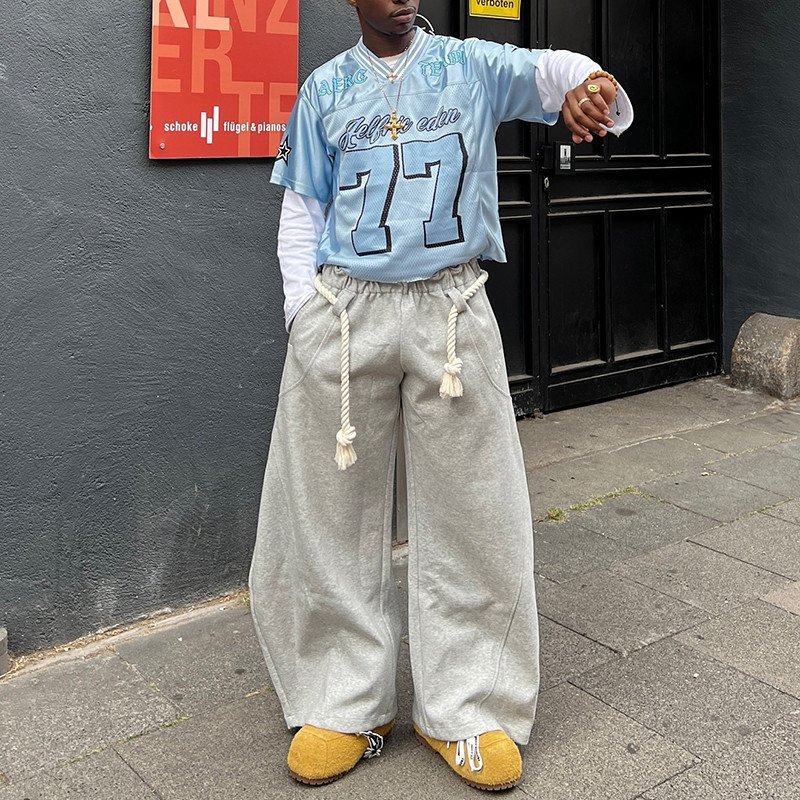
Understanding costs helps you build a sustainable business.
2. The Five Major Cost Categories
Most streetwear products are priced based on five major areas.
Cost Breakdown Overview
| Category | Typical Share |
|---|---|
| Fabric | 30–50% |
| Labor | 20–35% |
| Customization | 10–20% |
| Trims & Accessories | 5–15% |
| Packaging | 2–8% |
Fabric is usually the largest cost driver.
However, customization can quickly become the most expensive component.
3. How Fabric Impacts Cost
Fabric is often the single biggest factor affecting production cost.
Fabric Variables
- Composition
- GSM
- Construction
- Finish
- Availability
Example Comparison
| Fabric Type | Relative Cost |
|---|---|
| Basic Cotton Jersey | Low |
| Heavyweight Cotton | Medium |
| French Terry | Medium |
| Brushed Fleece | Medium-High |
| Custom Fabric Blend | High |
Why Heavyweight Streetwear Costs More
A 300 GSM T-shirt uses significantly more material than a 180 GSM T-shirt.
More material means:
- Higher fabric cost
- Higher shipping cost
- Higher production cost
This is why premium streetwear brands often have higher retail prices.
4. How Design Complexity Affects Pricing
Simple garments are faster to produce.
Complex garments require more labor.
Basic Product
Example:
- Blank oversized T-shirt
- Single-color screen print
Lower production cost.
Complex Product
Example:
- Cargo pants
- Multiple pockets
- Custom trims
- Embroidery
- Washing effects
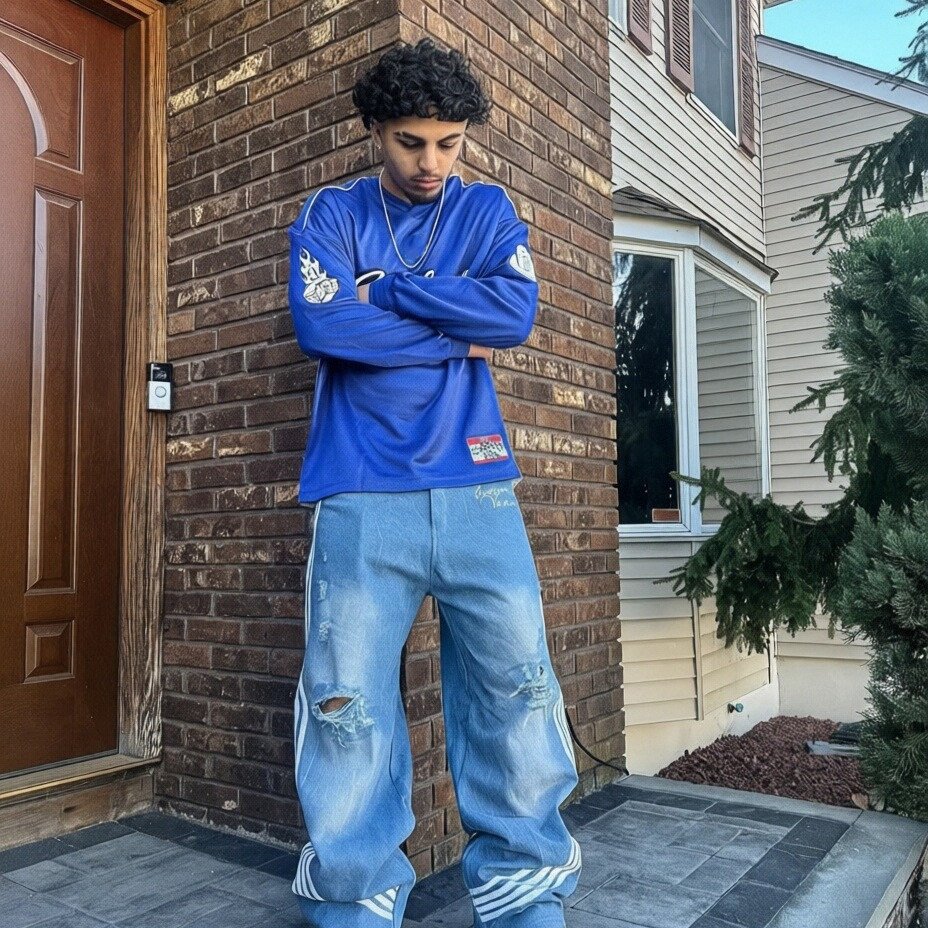
Higher production cost.
Complexity Comparison
| Feature | Cost Impact |
|---|---|
| Extra Pockets | Medium |
| Zippers | Medium |
| Custom Panels | Medium |
| Embroidery | High |
| Specialty Washes | High |
The more operations involved, the higher the cost.
5. The Role of MOQ in Production Costs
MOQ stands for Minimum Order Quantity.
It has a major impact on per-unit pricing.
Example
| Quantity | Hoodie Cost |
|---|---|
| 100 pcs | $20 |
| 500 pcs | $17 |
| 1000 pcs | $15 |
Higher quantities spread development and setup costs across more units.
Why MOQ Matters
Fixed costs include:
- Pattern making
- Sampling
- Screen setup
- Embroidery digitizing
The more pieces produced, the lower these costs become per unit.
6. Printing, Embroidery, and Special Effects
Streetwear often relies heavily on customization.
This is where costs can increase quickly.
Common Decoration Methods
| Method | Cost Level |
|---|---|
| Screen Printing | Low |
| DTG Printing | Medium |
| Puff Printing | Medium |
| Silicone Printing | Medium |
| Embroidery | High |
| Chenille Patches | Very High |
Example
Two hoodies:
Hoodie A
- Single front print
Cost impact:
Low
Hoodie B
- Front embroidery
- Back puff print
- Sleeve print
- Custom patch
Cost impact:
Significantly higher
7. Labor and Manufacturing Costs
Labor remains a major part of production pricing.
Labor Influencers
- Product complexity
- Sewing operations
- Construction methods
- Quality standards
Product Comparison
| Product | Labor Requirement |
|---|---|
| Basic T-Shirt | Low |
| Hoodie | Medium |
| Cargo Pants | High |
| Varsity Jacket | Very High |
The more sewing operations required, the more labor is needed.
Quality Standards Matter
Higher-quality products require:
- More inspections
- Better workmanship
- Slower production speeds
This often increases manufacturing costs but reduces defect rates.
8. Hidden Costs Many Brands Forget
Many founders underestimate the true cost of launching products.
Commonly Overlooked Expenses
- Sample development
- Shipping
- Customs duties
- Packaging
- Quality inspections
- Product photography
- Payment processing fees
Hidden Cost Checklist
| Expense | Often Forgotten? |
|---|---|
| Samples | Yes |
| Freight | Yes |
| Duties | Yes |
| Packaging | Yes |
| QC | Yes |
These costs can significantly impact profitability.
9. How to Reduce Costs Without Sacrificing Quality
Reducing costs doesn't always mean choosing cheaper materials.
Smarter Strategies
Use Fewer Colors
Fewer colorways simplify production.
Focus on Best Sellers
Increase volume on proven products.
Optimize Customization
Use decoration strategically rather than excessively.
Work With Experienced Manufacturers
Experienced factories often help optimize costs during development.
Helpful Resources
If you're evaluating production costs and manufacturing options:
Industry References
10. FAQ
What is the biggest factor affecting streetwear production cost?
Fabric is usually the largest cost component.
Why are heavyweight hoodies more expensive?
They require more fabric and often involve more complex construction.
Does MOQ affect pricing?
Yes. Higher quantities generally reduce per-unit costs.
Is embroidery more expensive than printing?
In most cases, yes.
Can lower costs still produce high-quality garments?
Absolutely. Efficient product design and manufacturing decisions often reduce costs without reducing quality.
Final Thoughts
So, what determines streetwear production costs?
It's rarely just one factor.
Production pricing is influenced by:
- Fabric
- Labor
- MOQ
- Customization
- Packaging
- Logistics
The brands that understand these variables make better business decisions and achieve stronger profit margins.
From my experience, the smartest founders don't simply ask:
"What's the cheapest option?"
Instead, they ask:
"What's the best value for my brand?"
If you're planning a streetwear collection and need guidance on product development, fabric sourcing, cost optimization, or manufacturing, explore:
Understanding costs is the first step toward building a profitable clothing brand.
