
Starting a clothing brand often looks simple from the outside.
A founder creates a design, finds a factory, places an order, and launches products. However, the reality of apparel manufacturing is much more complicated.
From my experience working with clothing brands and manufacturers, I have seen many new founders enter production with unrealistic expectations. The biggest problems usually happen because brands do not understand what happens behind factory conversations.
Manufacturers are not always hiding information intentionally, but many important details are not explained unless brands ask the right questions.
This guide reveals the key things new clothing brands should understand before working with manufacturers.
Table of Contents
- Quick Answer
- Manufacturing Is More Than Making Clothes
- Hidden Costs Brands Often Miss
- Why The Cheapest Quote Is Not Always Better
- What Factories Expect From New Brands
- Why Samples Are More Important Than Brands Think
- Production Timelines Are More Complex Than Expected
- Quality Problems Usually Start Earlier
- How Smart Brands Work With Manufacturers
- Resources
- FAQ
- Final Thoughts
Quick Answer
Things clothing manufacturers do not always explain to new brands:
- Production costs include more than the garment price
- Low MOQ does not always mean lower risk
- Samples determine bulk production success
- Clear communication is critical
- Quality problems usually come from unclear standards
- The best supplier is not always the cheapest one
Successful brands understand manufacturing before placing large orders.
Manufacturing Is More Than Making Clothes
Many new founders think a factory simply receives a design and produces clothing.
The actual process includes:
| Stage | What Happens |
|---|---|
| Product Development | Review design and construction |
| Fabric Sourcing | Select suitable materials |
| Pattern Making | Create garment structure |
| Sampling | Test fit and quality |
| Production Planning | Prepare materials and schedules |
| Manufacturing | Cutting and sewing |
| Quality Control | Inspect finished products |
| Shipping | Prepare final delivery |
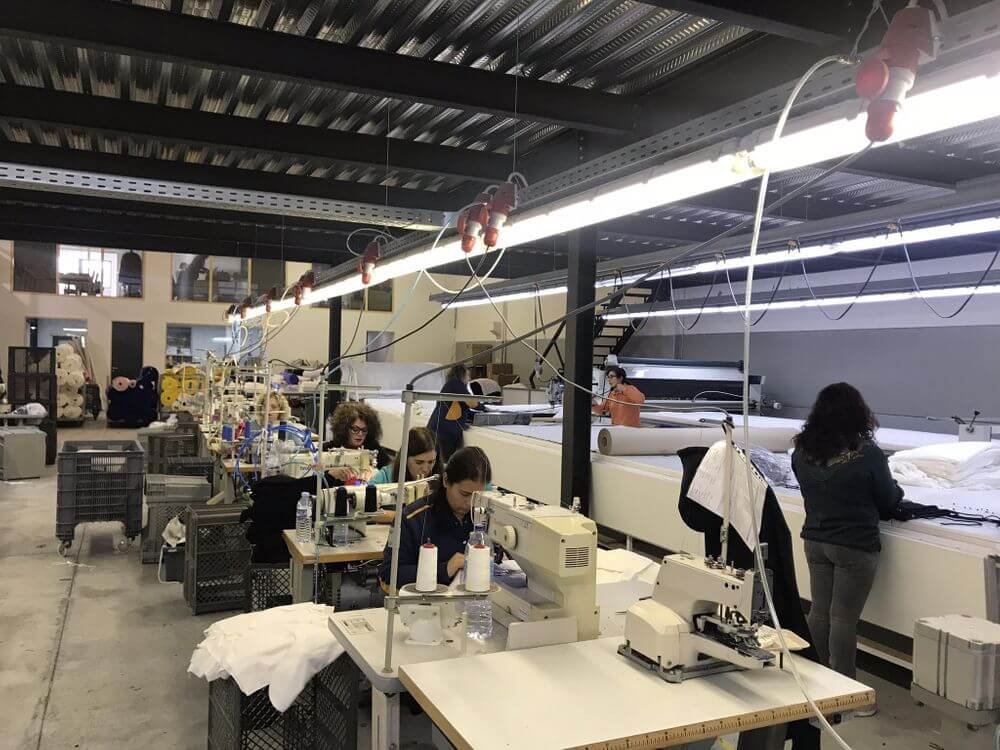
Every stage affects the final product.
A mistake early in development can become expensive during bulk production.
Hidden Costs Brands Often Miss
Many new brands calculate only the production price.
However, the real cost includes much more.
Common additional costs include:
| Cost Item | Why It Matters |
|---|---|
| Sample Cost | Product development |
| Fabric Testing | Ensures material quality |
| Packaging | Creates brand experience |
| Labels & Tags | Private branding |
| Shipping | Affects final product cost |
| Revisions | Changes increase development cost |
A professional brand calculates the total investment before production begins.
Why The Cheapest Quote Is Not Always Better
One of the biggest mistakes new brands make is choosing the lowest factory quotation.
A lower price may come from:
- Cheaper fabric options
- Lower production standards
- Less quality control
- Limited communication support
Compare Value Instead of Price
| Supplier Type | Advantage | Possible Problem |
|---|---|---|
| Cheapest Factory | Lower initial cost | Quality risk |
| Experienced Manufacturer | Better support | Higher investment |
| Long-Term Partner | Stable growth | Requires relationship building |
The goal is not the lowest production cost.
The goal is the best balance between:
- Quality
- Cost
- Reliability
- Growth potential
What Factories Expect From New Brands
Many production problems happen because brands are not prepared.
Manufacturers usually need:
- Clear product requirements
- Reference images
- Size measurements
- Fabric expectations
- Design details
- Production deadlines
A Professional Brand Should Prepare
Before contacting a manufacturer, prepare:
| Information | Purpose |
|---|---|
| Tech Pack | Explain product details |
| Reference Images | Show design direction |
| Quantity Plan | Estimate production needs |
| Target Price | Control product positioning |
| Timeline | Manage expectations |
Better preparation creates better production results.
Why Samples Are More Important Than Brands Think
Some new brands see samples as an extra cost.
Experienced brands see samples as risk protection.
Samples help confirm:
- Fit
- Fabric quality
- Construction
- Color accuracy
- Branding details
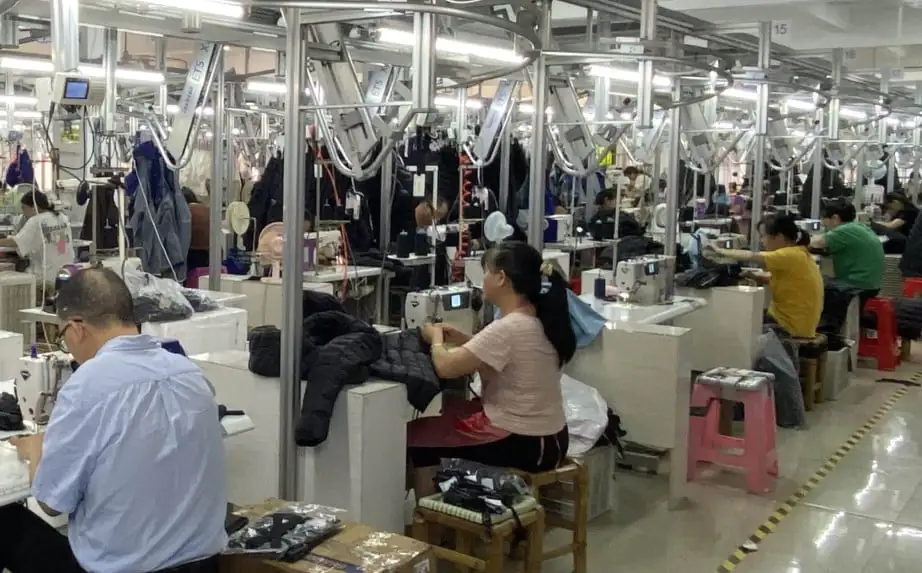
Sample Problems Are Easier to Fix
| Production Stage | Difficulty of Correction |
|---|---|
| Sample Stage | Easy |
| Small Production | Moderate |
| Bulk Production | Expensive |
A good manufacturer should encourage detailed sample approval before bulk production.
Production Timelines Are More Complex Than Expected
Many new brands underestimate how long apparel production takes.
A typical timeline includes:
| Process | Time Requirement |
|---|---|
| Design Confirmation | Depends on development |
| Sampling | Product dependent |
| Fabric Preparation | Material availability |
| Bulk Production | Order quantity dependent |
| Inspection | Quality checking |
| Shipping | Delivery arrangement |
Delays can happen because of:
- Fabric shortages
- Design changes
- Approval delays
- Production adjustments
Quality Problems Usually Start Earlier
Many brands think quality problems happen only during sewing.
In reality, quality issues often start from earlier decisions.
Examples:
| Problem | Possible Cause |
|---|---|
| Wrong fit | Poor pattern development |
| Color difference | Incorrect fabric approval |
| Weak seams | Incorrect construction |
| Different sizing | Lack of production standards |
Quality control begins before production starts.
How Smart Brands Work With Manufacturers
Successful clothing brands treat manufacturers as partners.
They focus on:
Clear Communication
Good brands:
- Ask detailed questions
- Share expectations clearly
- Provide feedback quickly
Long-Term Relationships
A strong manufacturer relationship helps with:
- Faster development
- Better problem solving
- Improved consistency
- Production priority
For example, Fuki Apparel works with brands through complete OEM and private label manufacturing, supporting product development, sampling, production management, and quality control.
Resources
Internal Resources
External Resources
- https://www.businessoffashion.com/
- https://www.sourcingjournal.com/
- https://www.oeko-tex.com/
- https://bettercotton.org/
FAQ
Do clothing manufacturers hide costs from brands?
Usually not intentionally. Many costs are simply not discussed unless brands ask detailed questions.
Should new brands choose the cheapest manufacturer?
Not always. Quality, communication, and reliability are equally important.
Why do clothing samples sometimes look different from bulk orders?
This usually happens because production standards, materials, or quality checks were not clearly controlled.
What questions should new brands ask manufacturers?
Ask about MOQ, production timeline, sample process, quality control, materials, and customization options.
How can brands build a good relationship with manufacturers?
Clear communication, realistic expectations, and long-term cooperation create stronger partnerships.
Final Thoughts
From my experience, successful clothing brands are not built by finding the cheapest factory.
They succeed because they understand how manufacturing works.
The brands that grow successfully usually:
- Prepare better product information
- Choose partners carefully
- Invest in samples
- Control quality
- Build long-term relationships
Manufacturing is not just about producing clothes. It is about creating a reliable system that supports brand growth.
If you are developing your own clothing collection, Fuki Apparel provides professional OEM and private label manufacturing support to help brands move from ideas to high-quality finished products.
