
If you are building a fashion brand today, manufacturing is no longer just a production step—it is the core of your entire business.
From my experience working with streetwear startups, activewear brands, and private label projects, I’ve noticed one clear pattern:
Most brands don’t fail because of design. They fail because they don’t understand manufacturing.
This guide breaks down everything you need to know about clothing manufacturing in a simple, practical way so you can actually make better decisions—not just theory.
Table of Contents
- Quick Answer
- What Clothing Manufacturing Really Means
- Main Manufacturing Types
- Step-by-Step Production Process
- How to Choose the Right Manufacturer
- Cost Breakdown
- Common Mistakes
- FAQ
- Final Thoughts
Quick Answer
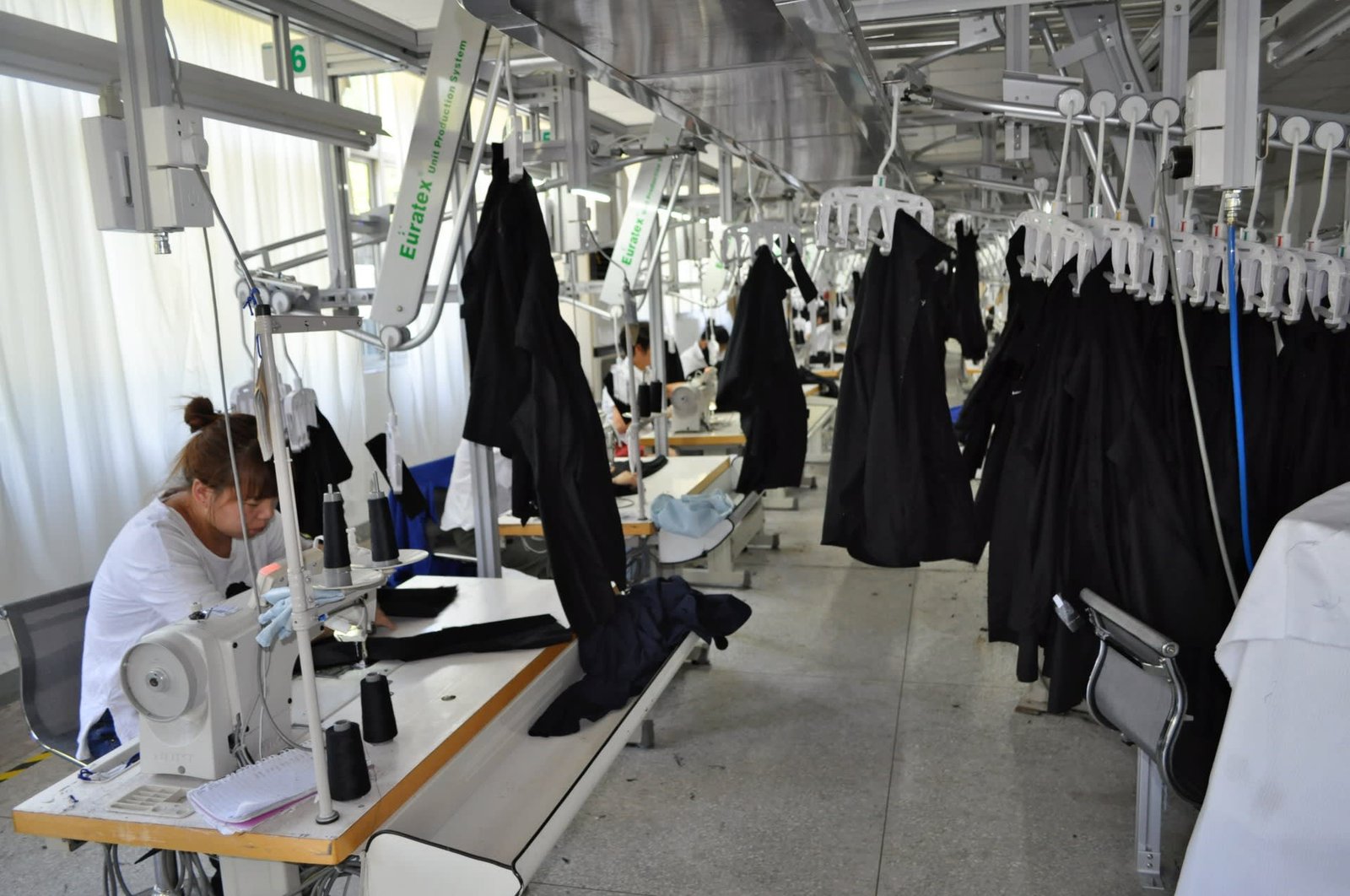
Clothing manufacturing is the process of turning your design into a physical product through sampling, fabric sourcing, cutting, sewing, finishing, and packaging.
If you are a fashion brand, you should focus on:
- Choosing the right factory type (not just the cheapest)
- Understanding MOQ and sampling rules
- Controlling fabric quality
- Building long-term production relationships
👉 In simple terms:
Good manufacturing = stable brand growth.
What Clothing Manufacturing Really Means
Many beginners think manufacturing is just “making clothes.”
In reality, it includes:
- Product development
- Fabric sourcing
- Pattern making
- Sampling
- Bulk production
- Quality control
- Packaging & logistics
Manufacturing is actually a system, not a single step.
Main Clothing Manufacturing Types
1. OEM (Original Equipment Manufacturing)
You provide the design, factory produces it.
👉 Best for:
- Streetwear brands
- Startups with clear designs
2. ODM (Original Design Manufacturing)
Factory provides design + production.
👉 Best for:
- Fast-launch brands
- Beginners without design team
3. Private Label Manufacturing
Using existing blank products with your branding.
👉 Best for:
- E-commerce brands
- Fast scaling businesses
Comparison Table
| Type | Control | Cost | Speed | Best For |
|---|---|---|---|---|
| OEM | High | Medium | Medium | Brands with design |
| ODM | Low | Low | Fast | Beginners |
| Private Label | Medium | Low | Fast | E-commerce |
Step-by-Step Production Process
Step 1: Design Development
You define:
- Style
- Fabric
- Fit
- Tech pack
Step 2: Sampling
Factory creates a prototype.
👉 This step determines final quality.
Step 3: Fabric Sourcing
Fabric determines:
- Comfort
- Durability
- Price level
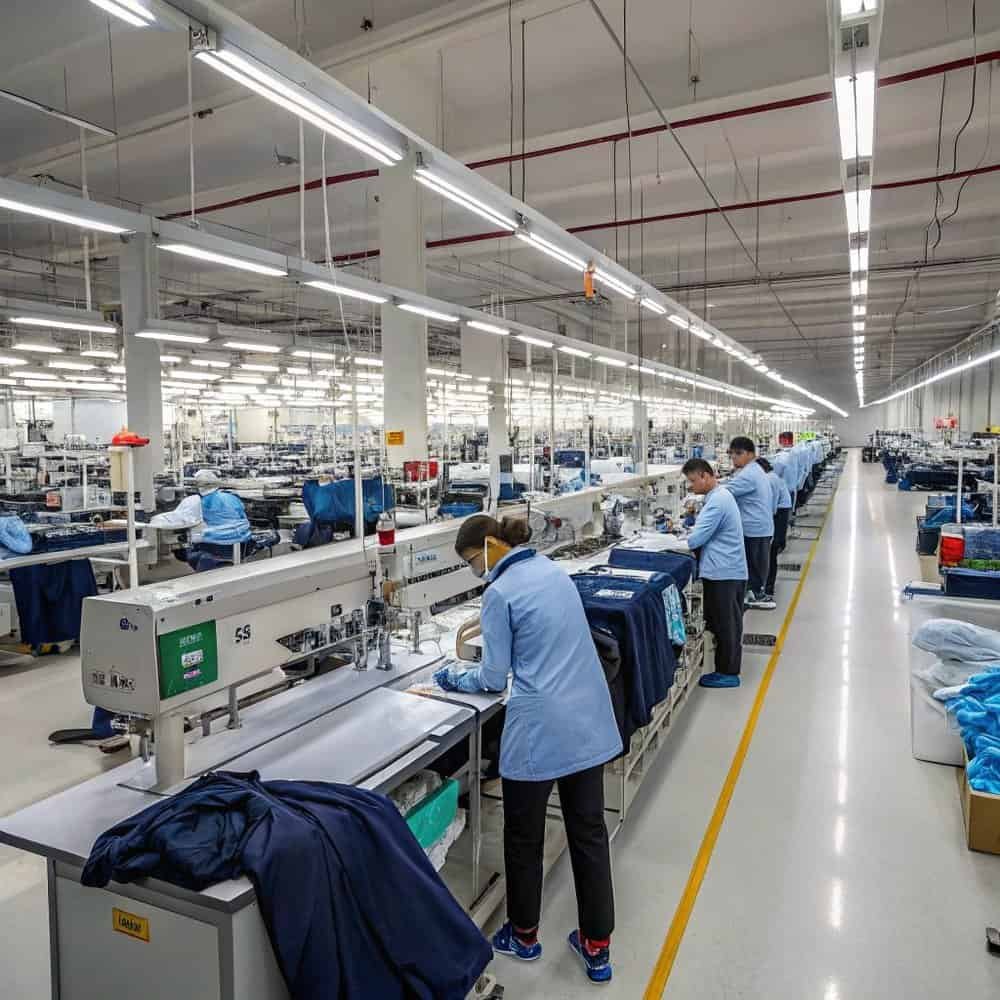
Step 4: Bulk Production
Once sample is approved:
- Cutting
- Sewing
- Printing/embroidery
- Washing
Step 5: Quality Control
Includes:
- Stitching check
- Measurement check
- Fabric inspection
Step 6: Packaging & Shipping
Final stage before delivery.
How to Choose the Right Manufacturer
From my experience, most brands choose factories incorrectly.
You should NOT choose based on:
❌ Price only
❌ Location only
❌ Website appearance
You SHOULD choose based on:
| Factor | Why It Matters |
|---|---|
| MOQ flexibility | Startup survival |
| Sampling speed | Faster testing |
| Fabric options | Product quality |
| Communication | Avoid mistakes |
| Customization | Brand identity |
Practical Advice
If you are a startup:
👉 Start with flexible OEM partners instead of large factories.
Example:
👉 Fuki Apparel
Cost Breakdown
Typical clothing manufacturing cost structure:
| Component | % of Cost |
|---|---|
| Fabric | 40–60% |
| Labor | 15–25% |
| Printing/Embroidery | 5–15% |
| QC & Packaging | 5–10% |
| Shipping | 5–15% |
👉 Fabric is always the biggest factor.
Common Mistakes
❌ Choosing cheapest factory
Leads to:
- Poor quality
- Delays
- Communication issues
❌ Skipping sampling stage
You cannot judge quality without samples.
❌ Over-customizing early stage
Too many details = higher MOQ + higher cost.
❌ Ignoring fabric testing
Fabric determines brand perception.
FAQ
What is MOQ in clothing manufacturing?
MOQ means Minimum Order Quantity—the smallest number a factory will produce per style.
What is a good MOQ for startups?
Usually:
- 30–300 pcs per style
How long does production take?
- Sampling: 5–15 days
- Bulk: 20–45 days
What is the safest way to start?
Start small:
- One product
- One factory
- One test order
Which manufacturing model is best for beginners?
OEM or flexible private label manufacturers like:
👉 Fuki Apparel
Final Thoughts
Clothing manufacturing is not just production—it is strategy.
From my experience, successful fashion brands all follow the same rule:
- Start simple
- Test fast
- Choose flexible manufacturers
- Scale step by step
If you understand manufacturing, you understand how fashion brands actually grow.
👉 A strong starting point for most startups is:
Fuki Apparel
Because the right manufacturer is not just a supplier—it is a long-term partner in your brand building process.
