
Table of Contents
- Quick Answer
- What Is Streetwear?
- The Early Roots: Surf and Skate Culture
- The Rise of Hip-Hop Influence
- The 2000s Streetwear Explosion
- The Luxury Fashion Crossover
- Streetwear in the Digital Era
- Streetwear Evolution Timeline
- Why Streetwear Became So Influential
- How Modern Brands Apply Streetwear History
- FAQ
- Conclusion
- Internal Reference
Quick Answer
Streetwear started as a youth-driven fashion movement rooted in surf, skateboarding, and hip-hop culture.
Over several decades, it evolved into a global fashion force, eventually influencing luxury fashion houses and high-end designers.
Today, streetwear represents more than clothing—it reflects music, art, culture, and community identity.
From my experience observing fashion production trends and streetwear brand development, the history of streetwear explains why this style continues to dominate modern fashion.
What Is Streetwear?
Streetwear is a fashion category inspired by urban youth culture.
Unlike traditional fashion that begins on runways, streetwear often starts within communities.
Key elements include:
- relaxed silhouettes
- graphic T-shirts
- hoodies and sneakers
- cultural storytelling
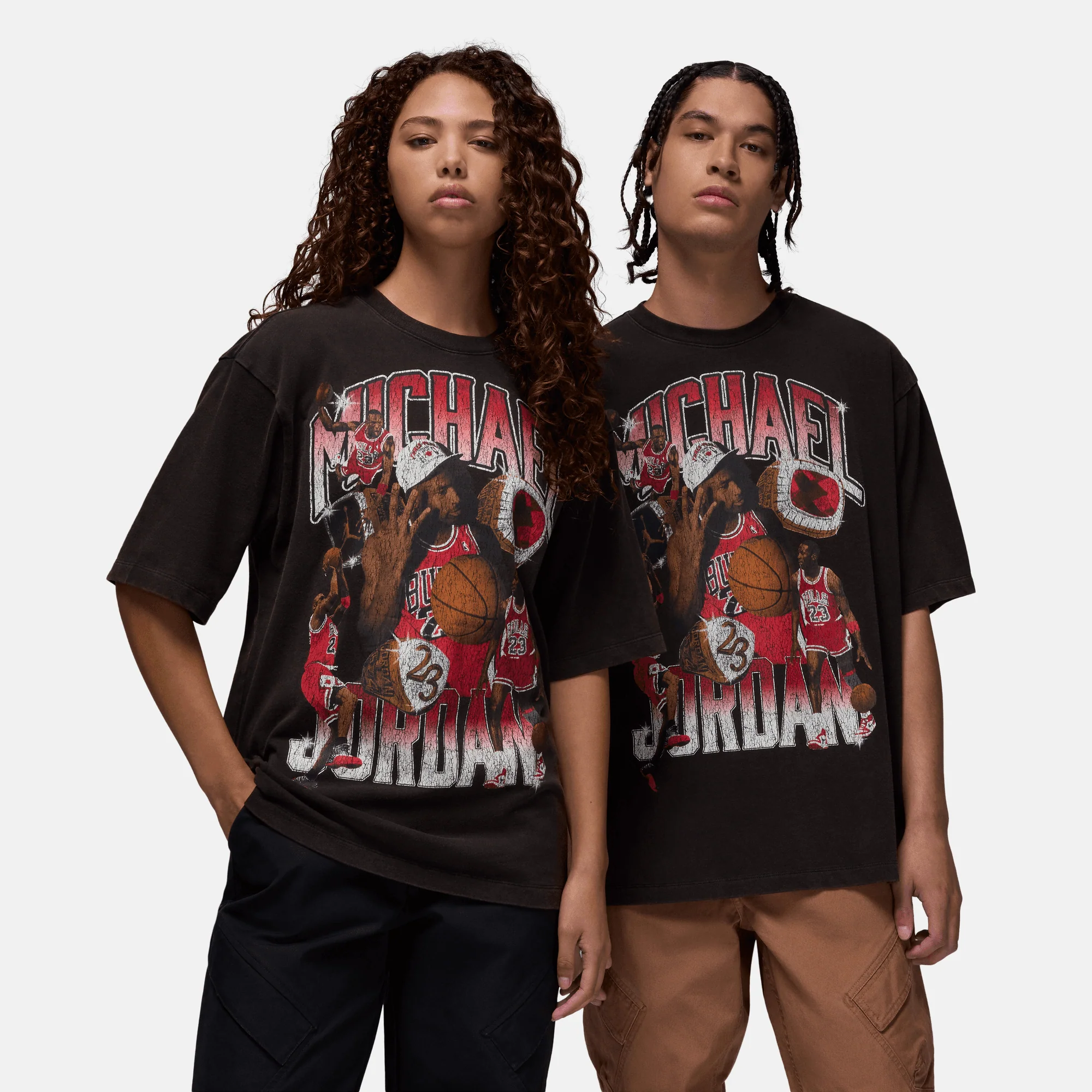
Fashion culture platforms like
Highsnobiety – Streetwear Culture Guide
describe streetwear as a fusion of fashion, music, skate culture, and street identity.
Streetwear’s influence grew because it connected fashion directly with real-life communities.
The Early Roots: Surf and Skate Culture
Streetwear’s earliest influence can be traced back to surf and skate communities in California during the late 1970s and early 1980s.
These communities valued:
- individuality
- DIY fashion
- comfortable clothing for active lifestyles
Skaters often customized their clothing with graphics and logos.
Loose silhouettes and graphic T-shirts became key pieces in this era.
This laid the foundation for modern streetwear aesthetics.
The Rise of Hip-Hop Influence
During the late 1980s and 1990s, hip-hop culture dramatically expanded streetwear’s influence.
Music artists and urban communities began shaping fashion trends.
Typical hip-hop fashion elements included:
- oversized clothing
- bold logos
- sportswear brands
- statement sneakers
Streetwear became strongly connected to music, performance, and cultural identity.
Fashion commentary from
Hypebeast – Streetwear Culture
often highlights how hip-hop culture helped streetwear reach a global audience.
The 2000s Streetwear Explosion
The early 2000s marked a major turning point for streetwear.
Several factors contributed to its rapid growth:
Sneaker Culture
Limited sneaker releases created strong demand and collector communities.
Streetwear Media
Online platforms began documenting emerging streetwear brands and trends.
Independent Brands
Small independent labels built strong communities through authenticity.
Streetwear began transforming from a niche culture into a recognized fashion category.
The Luxury Fashion Crossover
One of the most significant shifts occurred when luxury fashion houses began collaborating with streetwear brands.
Luxury designers recognized the cultural power of streetwear.
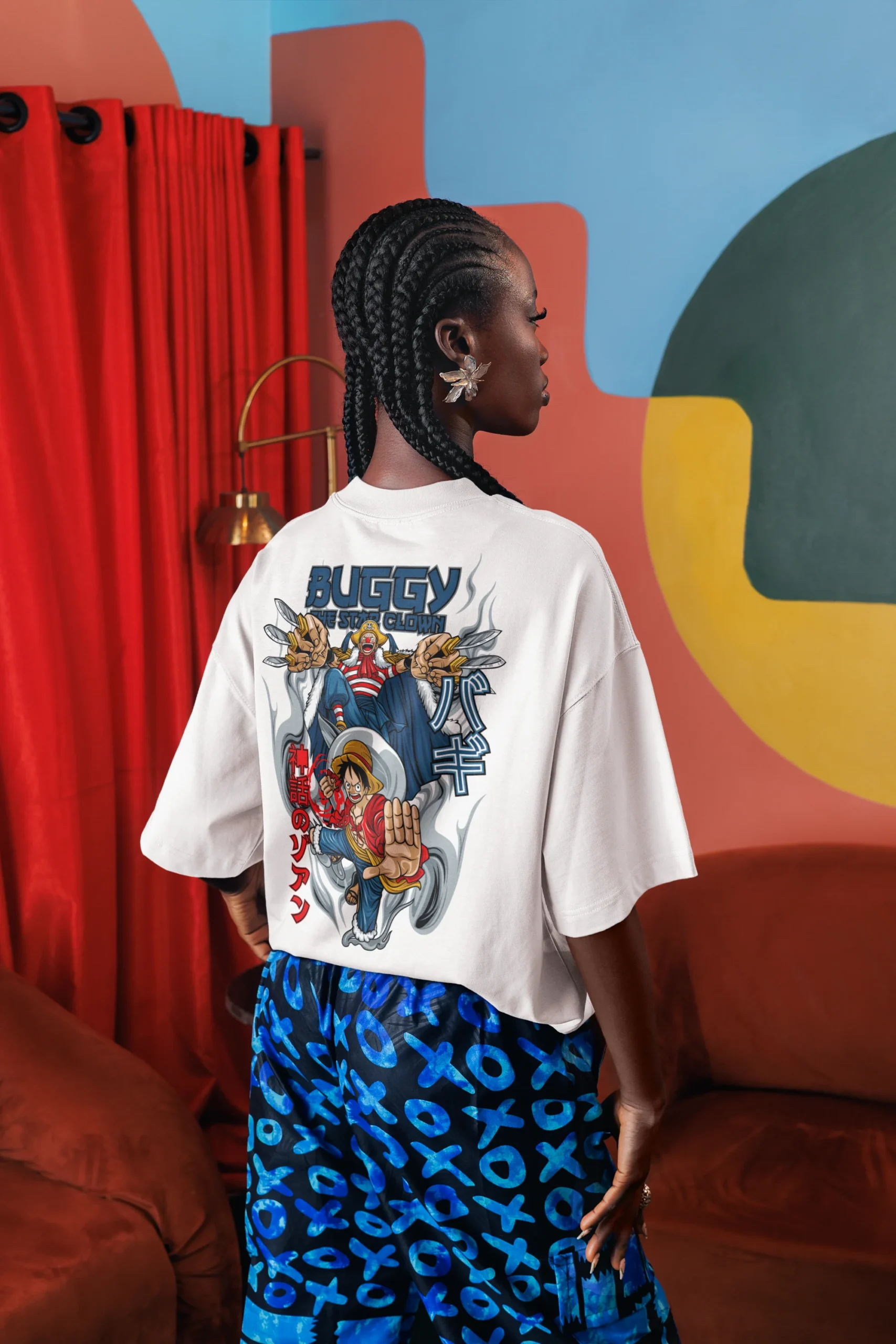
This led to collaborations between:
- luxury fashion houses
- sneaker companies
- independent streetwear labels
Fashion analysis from
Business of Fashion – Fashion Industry Insights
suggests that these collaborations blurred the line between high fashion and street culture.
Streetwear was no longer underground—it had entered the luxury fashion world.
Streetwear in the Digital Era
The rise of social media dramatically accelerated streetwear’s global reach.
Platforms like Instagram and TikTok helped spread streetwear trends quickly.
Digital culture enabled:
- global brand discovery
- influencer-driven fashion trends
- community-driven marketing
Streetwear brands can now grow internationally without traditional advertising.
This digital ecosystem continues shaping modern streetwear culture.
Streetwear Evolution Timeline
| Era | Key Development | Cultural Impact |
|---|---|---|
| 1980s | Surf and skate influence | Birth of streetwear style |
| 1990s | Hip-hop fashion growth | Global youth influence |
| Early 2000s | Sneaker culture boom | Collector communities |
| 2010s | Luxury collaborations | Streetwear enters high fashion |
| 2020s | Social media expansion | Global digital streetwear culture |
Each stage contributed to streetwear’s growing influence.
Why Streetwear Became So Influential
Several factors explain why streetwear became one of the most powerful fashion movements.
Cultural Authenticity
Streetwear reflects real communities rather than runway trends.
Community Engagement
Fans support brands that represent their lifestyle.
Creative Expression
Streetwear allows individuals to express identity through fashion.
These elements helped streetwear grow beyond traditional fashion boundaries.
How Modern Brands Apply Streetwear History
Many modern brands build their identity using lessons from streetwear history.
Successful brands focus on:
- strong visual identity
- storytelling through design
- limited product releases
- community engagement
By combining cultural authenticity with modern production techniques, streetwear continues evolving.
FAQ
When did streetwear begin?
Streetwear began in the late 1970s and early 1980s through surf and skate culture.
Why did streetwear become mainstream?
Hip-hop influence, sneaker culture, and digital media helped streetwear reach global audiences.
Is streetwear still growing?
Yes. Streetwear continues influencing both casual fashion and luxury fashion.
Can new brands succeed in streetwear today?
Yes, especially if they focus on authenticity, strong design identity, and community building.
Conclusion
Streetwear has evolved from underground skate culture into one of the most influential movements in global fashion.
Its journey—from surf communities to luxury fashion runways—demonstrates how culture can reshape the fashion industry.
Today, streetwear continues evolving through digital communities, creative design, and youth culture.
Understanding its history helps explain why streetwear remains a powerful force in modern fashion.
Internal Reference
If you are developing streetwear collections inspired by modern and historical streetwear culture, explore:
👉 Fuki Apparel – Streetwear Manufacturing Solutions
Professional manufacturing partners help transform streetwear concepts into scalable fashion collections.
