
Private label streetwear has evolved dramatically over the last decade.
In the past, private label was often associated with generic blank garments and limited customization. Today, many of the fastest-growing streetwear brands are using private label manufacturing to launch premium collections that compete with established fashion labels.
As manufacturing capabilities improve and consumers become more focused on quality, private label streetwear is entering a new era.
This raises an important question:
What does the future of private label streetwear look like, and how can brands take advantage of it?
Having worked with both startup brands and established clothing businesses, I've seen firsthand how private label manufacturing has become one of the most effective ways to build a profitable streetwear brand without massive upfront investment.
In this guide, I'll explain where private label streetwear is heading in 2026 and beyond, what consumers are demanding, and how brands can position themselves for long-term success.
Table of Contents
- Quick Answer
- What Is Private Label Streetwear?
- Why Private Label Is Growing
- Trend #1: Premium Quality Becomes Standard
- Trend #2: Smaller Production Runs
- Trend #3: Faster Product Development
- Trend #4: Customization Beyond Logos
- Trend #5: Heavyweight Fabrics Dominate
- Trend #6: Sustainability Expectations
- Trend #7: Data-Driven Product Decisions
- Trend #8: Luxury-Inspired Streetwear
- Trend #9: Global Manufacturing Partnerships
- Trend #10: Brand Identity Over Hype
- Future Trend Comparison Table
- Should New Brands Choose Private Label?
- FAQ
- Final Thoughts
Quick Answer
The future of private label streetwear will be driven by:
- Higher-quality products
- Faster production cycles
- Heavyweight fabrics
- Sustainable manufacturing
- Lower MOQ requirements
- Premium customization
- Data-driven product development
- Luxury-inspired construction
- Global sourcing partnerships
- Stronger brand identities
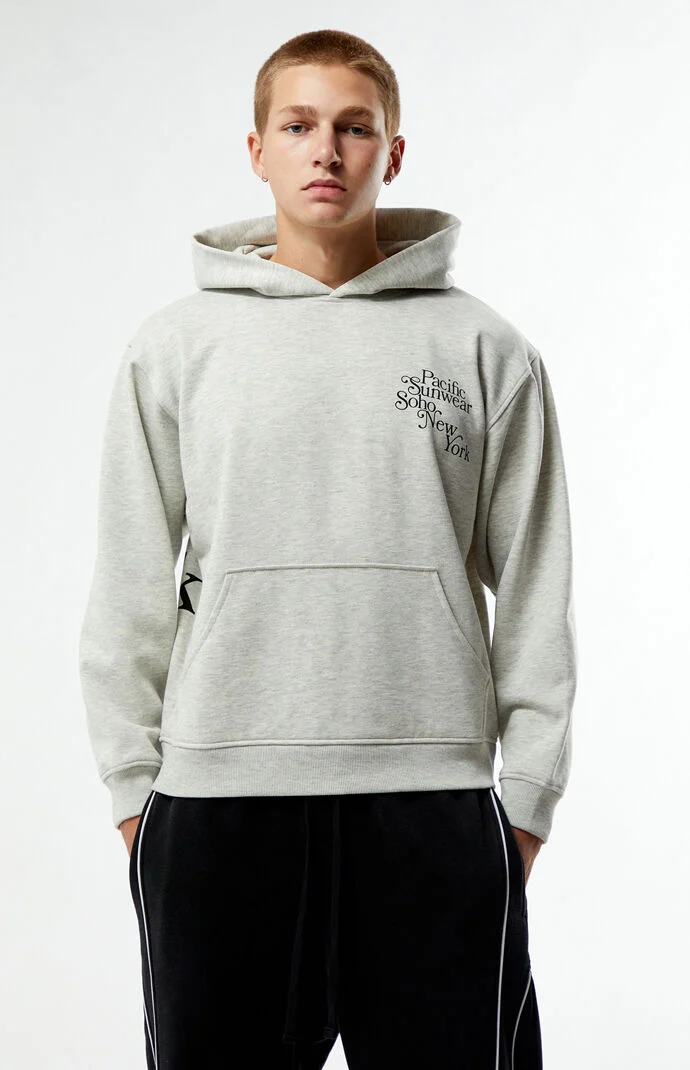
Private label is no longer a budget option—it is becoming one of the smartest ways to build a modern streetwear brand.
What Is Private Label Streetwear?
Private label streetwear refers to clothing manufactured by a third-party factory and sold under your own brand name.
Unlike traditional wholesale products, private label allows brands to customize:
- Labels
- Packaging
- Colors
- Fabrics
- Fit specifications
- Branding elements
Typical Private Label Products
| Category | Popularity |
|---|---|
| Hoodies | Very High |
| T-Shirts | Very High |
| Sweatpants | High |
| Shorts | High |
| Jackets | Moderate |
Private label gives brands a faster route to market compared to developing every product from scratch.
Why Private Label Is Growing
Consumer expectations have changed.
Many shoppers no longer care where a product is manufactured.
Instead, they care about:
- Quality
- Design
- Fit
- Value
Why Brands Prefer Private Label
✔ Lower startup costs
✔ Faster launch timelines
✔ Reduced risk
✔ Easier inventory management
Private label allows entrepreneurs to focus on branding and marketing rather than complex production processes.
Trend #1: Premium Quality Becomes Standard
The future of private label is premium.
Consumers increasingly expect:
- Better stitching
- Better fabrics
- Better fit
- Better durability
Consumer Expectations
| Feature | Importance |
|---|---|
| Fabric Quality | Very High |
| Fit | Very High |
| Construction | High |
| Packaging | Moderate |
Basic products are no longer enough.
Trend #2: Smaller Production Runs
Large inventory commitments are becoming less attractive.
Many brands now prefer:
- Limited drops
- Test collections
- Seasonal capsules
Benefits
- Lower inventory risk
- Better cash flow
- Faster adaptation to trends
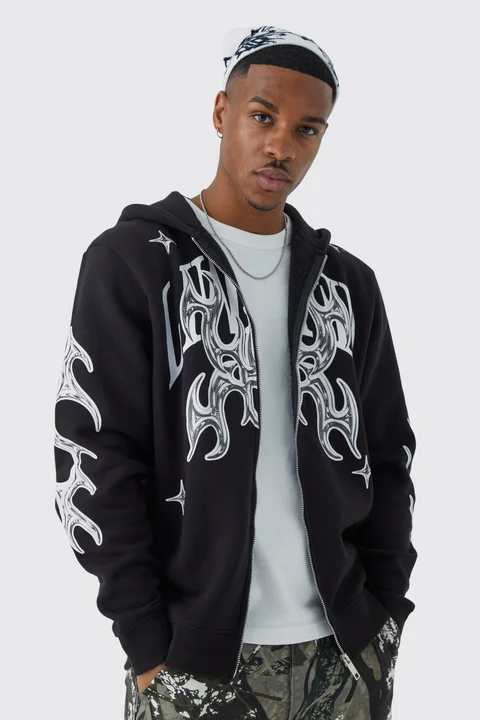
Factories are increasingly offering lower MOQs to support this demand.
Trend #3: Faster Product Development
Speed is becoming a competitive advantage.
Traditional Model
| Process | Time |
|---|---|
| Product Development | 2–4 Months |
| Sampling | 3–6 Weeks |
| Production | 4–8 Weeks |
Modern Private Label Model
| Process | Time |
|---|---|
| Product Development | Days |
| Sampling | 1–3 Weeks |
| Production | 3–5 Weeks |
Consumers expect new products more frequently than ever.
Trend #4: Customization Beyond Logos
Private label is evolving beyond simply adding a logo.
Modern Customization
- Custom fabrics
- Unique washes
- Exclusive colors
- Signature fits
- Custom trims
- Branded packaging
Future Direction
Consumers increasingly notice product details rather than logos alone.
Trend #5: Heavyweight Fabrics Dominate
Fabric quality is becoming a major differentiator.
Trending Materials
- 280 GSM cotton
- 320 GSM cotton
- 400 GSM fleece
- 500 GSM premium fleece
Why Heavyweight Products Sell
✔ Better structure
✔ Better durability
✔ Higher perceived value
Consumers increasingly associate weight with quality.
Trend #6: Sustainability Expectations
Sustainability is becoming part of the purchasing decision.
What Consumers Expect
- Better material sourcing
- Reduced waste
- Longer product life
- Responsible manufacturing
Brands that prioritize durability often outperform brands focused solely on sustainability messaging.
Trend #7: Data-Driven Product Decisions
Successful brands increasingly use data to guide product development.
Key Metrics
- Best-selling sizes
- Return rates
- Conversion rates
- Customer reviews
- Social engagement
Data helps brands make smarter inventory decisions.
Trend #8: Luxury-Inspired Streetwear
Streetwear continues moving toward luxury positioning.
Luxury-Inspired Features
- Heavyweight fabrics
- Premium trims
- Sophisticated color palettes
- Minimal branding
- Elevated packaging
Consumers are increasingly willing to pay more for products that feel premium.
Trend #9: Global Manufacturing Partnerships
Private label brands now have access to manufacturing partners around the world.
Popular Manufacturing Regions
| Region | Strength |
|---|---|
| China | Flexibility & Scale |
| Portugal | Premium Production |
| Turkey | Fast Turnaround |
| Vietnam | Competitive Costs |
Global sourcing gives brands more options than ever before.
Trend #10: Brand Identity Over Hype
One of the biggest changes in modern streetwear is the shift away from hype-only marketing.
Consumers Want
- Authentic brands
- Clear values
- Consistent aesthetics
- Long-term quality
Consumers Want Less
- Overhyped releases
- Trend chasing
- Low-quality products
Brand identity is becoming a competitive advantage.
Future Trend Comparison Table
| Trend | Growth Potential |
|---|---|
| Premium Quality | ★★★★★ |
| Smaller Production Runs | ★★★★★ |
| Faster Development | ★★★★★ |
| Advanced Customization | ★★★★★ |
| Heavyweight Fabrics | ★★★★★ |
| Sustainability | ★★★★☆ |
| Data-Driven Decisions | ★★★★★ |
| Luxury Streetwear | ★★★★★ |
| Global Manufacturing | ★★★★☆ |
| Brand Identity | ★★★★★ |
Should New Brands Choose Private Label?
For many startups, private label remains one of the best entry points into fashion.
Best For
- New clothing brands
- Influencer brands
- E-commerce stores
- Lifestyle brands
- Streetwear startups
Less Suitable For
- Highly technical apparel
- Complex fashion collections
- Luxury couture concepts
For most entrepreneurs, private label offers the fastest path from idea to market.
Internal Resources
Learn more about private label and streetwear manufacturing:
- Fuki Apparel
- Private Label Streetwear Manufacturer
- Custom Hoodie Manufacturer
- Heavyweight Hoodie Manufacturer
Industry Resources
For fashion manufacturing and market insights:
FAQ
Is private label streetwear still profitable in 2026?
Yes. Private label remains one of the most cost-effective ways to build a fashion brand.
Will consumers care if products are private label?
Most consumers care more about quality, fit, and branding than manufacturing models.
Are low MOQs becoming more common?
Yes. Many manufacturers now offer lower minimums to support emerging brands.
What products work best for private label?
Heavyweight hoodies, oversized T-shirts, sweatpants, and matching sets remain top performers.
What is the future of private label streetwear?
The future is premium, customizable, data-driven, and focused on long-term brand building.
Final Thoughts
Private label streetwear is no longer the shortcut it was once perceived to be.
Today, it has become a sophisticated manufacturing model that allows brands to create premium products, test new ideas quickly, and scale efficiently.
The brands that succeed in the future will focus on:
- Better quality
- Better branding
- Better customer experience
- Better product development
From my experience, private label is not replacing traditional fashion development—it is becoming the foundation of many successful modern streetwear brands.
The future of private label streetwear belongs to brands that combine manufacturing efficiency with authentic brand storytelling.