
China has been one of the world's largest apparel manufacturing hubs for decades. However, the future of Chinese clothing manufacturing is changing quickly.
From my experience working with fashion brands and OEM factories, I’ve seen a clear transformation:
Chinese manufacturers are moving from low-cost production toward higher-value manufacturing, faster development, and more flexible solutions for global brands.
Today, brands are no longer choosing suppliers only because of price. They are looking for:
- Better quality control
- Faster sampling
- Custom development ability
- Sustainable production
- Reliable long-term partnerships
This article explains how apparel manufacturing in China is evolving and what fashion brands should expect in the future.
Table of Contents
- Quick Answer
- Why China Remains a Major Apparel Hub
- How Chinese Clothing Manufacturing Is Changing
- Key Trends Shaping The Future
- China Manufacturing vs Other Regions
- What Brands Should Look For in Chinese Factories
- The Future Opportunities for Fashion Brands
- Internal & External Resources
- FAQ
- Final Thoughts
Quick Answer
The future of apparel manufacturing in China is moving toward:
- Higher-quality production
- Faster product development
- Smaller MOQ options
- Smart manufacturing technology
- Sustainable materials
- Stronger OEM partnerships
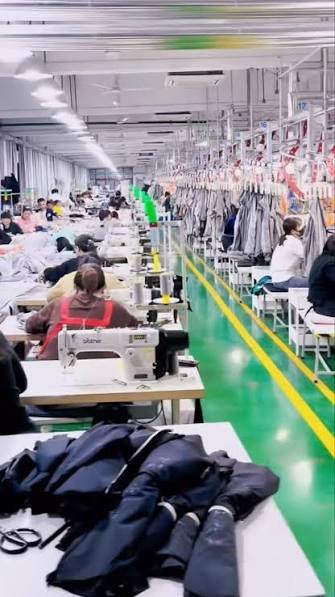
China is no longer competing only on low prices. It is becoming a manufacturing partner for brands that need flexibility and innovation.
Why China Remains a Major Apparel Hub
China continues to play an important role in global apparel production because of its complete supply chain.
A clothing manufacturer in China can usually access:
- Fabric suppliers
- Dyeing factories
- Printing facilities
- Embroidery factories
- Packaging suppliers
- Logistics networks
From my experience, this integrated supply chain is one of China's biggest advantages.
A brand can develop a product from fabric selection to final shipment without managing dozens of disconnected suppliers.
How Chinese Clothing Manufacturing Is Changing
The image of Chinese manufacturing being only about cheap production is outdated.
Modern Chinese apparel factories are investing in:
1. Better Quality Standards
Many factories now focus on:
- Strict QC systems
- Production inspections
- Better craftsmanship
- International quality requirements
Brands increasingly care about consistency, not just price.
2. Faster Sampling Development
Fashion cycles are becoming faster.
Factories are improving:
- Pattern making speed
- Digital communication
- Sample production processes
Many brands now expect samples within days instead of weeks.
3. More Flexible Production Models
Previously, many factories focused on large orders.
Now more manufacturers support:
- Startup brands
- Small batch production
- Private label projects
- Limited collections
Key Trends Shaping The Future
1. Smart Manufacturing Technology
Chinese factories are adopting more technology, including:
- Digital production management
- Automated cutting systems
- Better production tracking
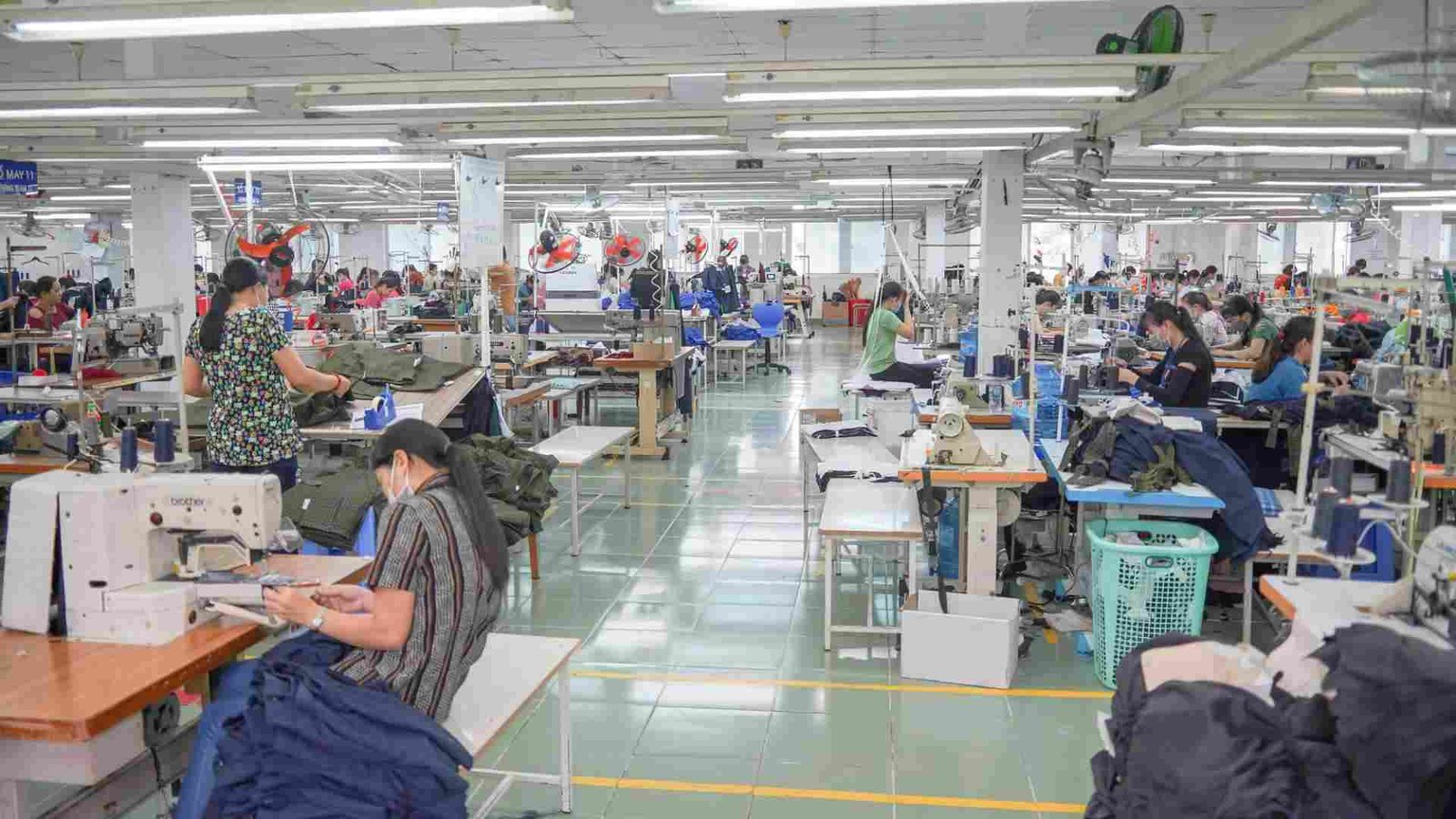
This helps improve efficiency and reduce mistakes.
2. Sustainable Apparel Production
Sustainability is becoming a major focus.
Brands are requesting:
- Organic cotton
- Recycled fabrics
- Eco-friendly packaging
- Responsible production methods
Certifications such as OEKO-TEX are becoming increasingly important for textile safety.
3. Low MOQ Manufacturing
The startup market is growing.
Many brands no longer want thousands of units before testing a product.
Factories are adapting by offering:
- Lower minimum orders
- Small test collections
- Flexible production plans
4. Higher Customization Capability
Future apparel manufacturing will focus more on customization.
Brands want:
- Unique fits
- Custom fabrics
- Special washes
- Custom labels
- Premium packaging
China Manufacturing vs Other Regions
| Factor | China | Other Manufacturing Regions |
|---|---|---|
| Supply Chain | Very complete | Often more limited |
| Fabric Options | Extensive | Depends on region |
| Production Capacity | Very strong | Varies |
| Customization | High | Depends on supplier |
| Cost Efficiency | Competitive | Usually higher |
| Product Range | Very wide | More specialized |
What Brands Should Look For in Chinese Factories
Choosing the right factory is more important than choosing the country.
From my experience, brands should check:
1. Manufacturing Experience
Look for factories with experience in your category:
- Streetwear
- Activewear
- Denim
- Outerwear
2. Product Development Ability
A strong factory should help with:
- Fabric recommendations
- Pattern adjustments
- Construction improvements
A supplier should not simply follow instructions—they should provide solutions.
3. Quality Control System
Before cooperation, ask about:
- Fabric inspection
- Inline inspection
- Final inspection process
4. Communication Ability
For international brands, communication is critical.
A reliable manufacturer should provide:
- Clear production updates
- Accurate timelines
- Professional responses
The Future Opportunities for Fashion Brands
The future of Chinese apparel manufacturing creates new opportunities for brands.
1. Faster Brand Launches
Brands can move from idea to production faster.
2. More Premium Products
Chinese factories are increasingly capable of producing:
- Heavyweight streetwear
- Technical apparel
- Premium basics
3. Better Support for Startups
New brands can access:
- OEM services
- Private label production
- Small batch manufacturing
For example, Fuki Apparel helps streetwear brands develop custom collections with flexible production solutions and professional OEM support.
Internal & External Resources
Internal Resources
Industry Resources
FAQ
Is China still the best place for clothing manufacturing?
China remains one of the strongest apparel manufacturing locations because of its complete supply chain and production capability.
Is Chinese clothing manufacturing only about low prices?
No. Many Chinese factories now focus on quality, customization, and technology.
Can small brands work with Chinese manufacturers?
Yes. Many factories now support startups with lower MOQ options and flexible production.
Is sustainable clothing manufacturing available in China?
Yes. Many factories now provide sustainable fabrics and environmentally responsible production options.
What should brands consider before choosing a Chinese factory?
Brands should evaluate quality control, communication, production ability, and experience.
Final Thoughts
From my experience, the future of apparel manufacturing in China is not about producing more—it is about producing smarter.
The next generation of Chinese clothing manufacturers will compete through:
- Better quality
- Faster development
- More customization
- Stronger partnerships
For fashion brands, the biggest opportunity is working with manufacturers that understand both production and brand growth.
A reliable OEM partner like Fuki Apparel can help brands develop high-quality clothing collections while benefiting from China's mature manufacturing ecosystem.
