
Launching a clothing product involves much more than simply placing an order with a factory. Behind every finished hoodie, T-shirt, or pair of sweatpants is a structured production workflow designed to ensure quality, efficiency, and consistency.
From my experience working with OEM clothing manufacturers, brands that understand the production workflow communicate better with factories, avoid costly mistakes, and receive more reliable products.
In this guide, I'll explain the complete clothing production workflow from the first design idea to final delivery.
Table of Contents
- Quick Answer
- The Complete Production Workflow
- Key Quality Checkpoints
- Production Timeline Overview
- How to Build a Smooth Production Process
- Resources
- FAQ
- Final Thoughts
Quick Answer
A professional clothing production workflow normally includes:
- Product planning
- Tech pack creation
- Fabric sourcing
- Pattern making
- Sample development
- Sample approval
- Bulk production
- Quality inspection
- Packing
- International shipping
Each step builds on the previous one, making consistency possible.
The Complete Production Workflow
Step 1: Product Planning
Everything begins with a clear product concept.
Brands define:
- Target customers
- Garment type
- Fabric preference
- Fit
- Budget
- Quantity
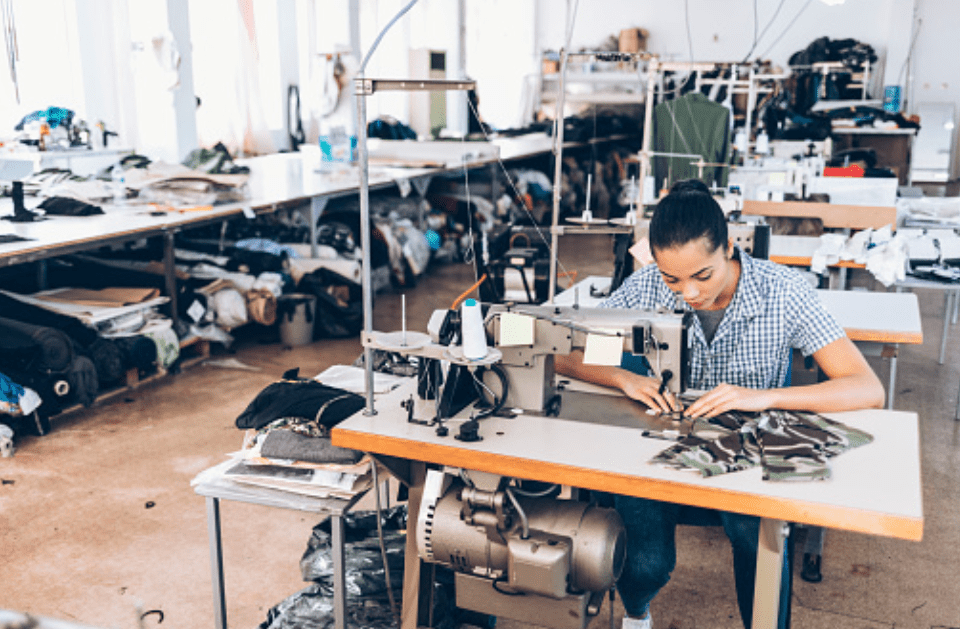
Good planning saves time later.
Step 2: Tech Pack Preparation
A detailed tech pack provides manufacturers with production instructions.
It usually contains:
- Measurements
- Fabric specifications
- Color references
- Artwork
- Label placement
- Sewing details
The more complete the tech pack, the fewer production errors occur.
Step 3: Material Sourcing
Factories purchase the required materials, including:
- Cotton
- French Terry
- Fleece
- Rib fabric
- Labels
- Hang tags
- Packaging
Reliable sourcing ensures consistent quality throughout production.
Step 4: Pattern Making
Pattern makers convert the design into production-ready templates.
This stage determines:
- Garment proportions
- Size grading
- Fit accuracy
- Sewing allowances
Strong patterns are the foundation of quality apparel.
Step 5: Sample Development
Manufacturers produce the first sample for review.
Brands inspect:
- Fit
- Fabric
- Stitching
- Printing
- Construction
Revisions are made until the sample is approved.
Step 6: Bulk Production
Once approval is received, factories begin large-scale production.
This includes:
- Fabric cutting
- Sewing
- Decoration
- Washing
- Finishing
Production is monitored throughout every stage.
Step 7: Quality Inspection
Professional factories perform multiple inspections, including:
- Fabric checks
- Inline inspections
- Measurement verification
- Final AQL inspection
Quality control prevents defective garments from being shipped.
Step 8: Packing & Shipping
Finished garments are:
- Folded
- Packed
- Labeled
- Cartoned
- Prepared for export
Accurate packing helps reduce shipping issues.
Key Quality Checkpoints
| Production Stage | Inspection Focus |
|---|---|
| Fabric Arrival | Color, GSM, defects |
| Sample Review | Fit, construction, appearance |
| Cutting | Pattern accuracy |
| Sewing | Stitch quality, measurements |
| Decoration | Print & embroidery consistency |
| Final Inspection | Appearance, labels, packaging |
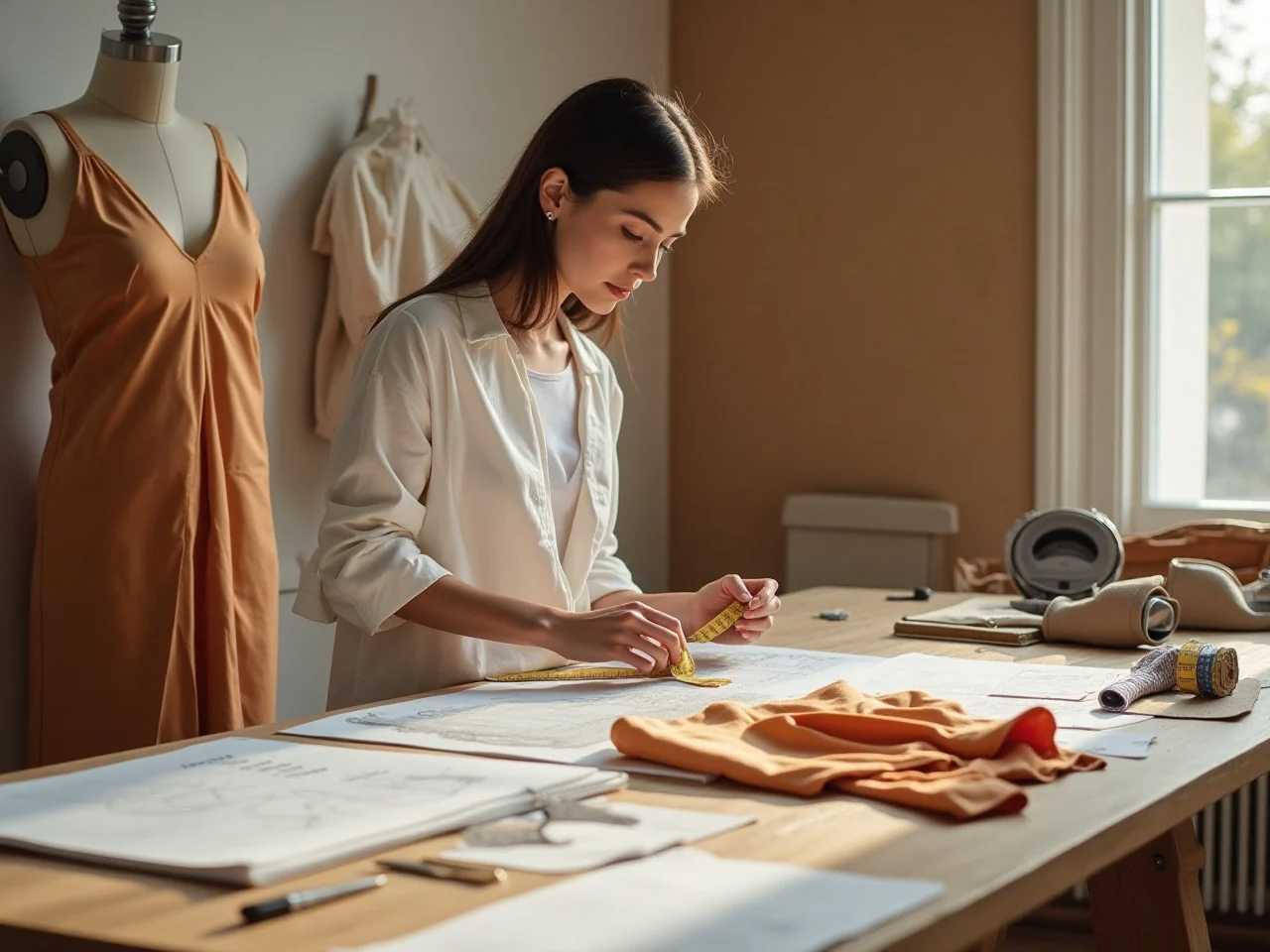
Regular inspections help maintain consistent production quality.
Production Timeline Overview
| Stage | Typical Lead Time |
|---|---|
| Material Sourcing | 5–10 Days |
| Sampling | 5–10 Days |
| Bulk Production | 15–25 Days |
| Quality Inspection | 1–3 Days |
| Packing | 1–2 Days |
| Shipping Preparation | 2–5 Days |
Actual lead times depend on garment complexity and order quantity.
How to Build a Smooth Production Process
From my experience, brands achieve the best results when they:
- Prepare detailed tech packs
- Approve samples carefully
- Confirm fabrics before production
- Communicate regularly with the factory
- Choose manufacturers with strong quality systems
Working with an experienced partner also reduces production risks.
For example, Fuki Apparel provides complete OEM and private label clothing manufacturing, covering product development, sampling, fabric sourcing, production management, quality control, and international shipping for streetwear brands.
Resources
Internal Resources
External Resources
- https://www.sourcingjournal.com/
- https://www.businessoffashion.com/
- https://www.oeko-tex.com/
- https://bettercotton.org/
FAQ
What is the clothing production workflow?
It is the complete manufacturing process that takes a garment from design and material sourcing to bulk production, quality inspection, and shipment.
Why is sample approval necessary?
Approved samples become the production standard and help prevent quality issues during mass manufacturing.
How long does the full production workflow take?
Most apparel projects require approximately 20–45 days, depending on the style, quantity, and production schedule.
What is the most important stage?
Every stage matters, but careful planning, sampling, and quality control have the biggest impact on the final product.
Can startups use the same workflow?
Yes. Following a professional workflow helps small brands improve product quality and reduce production risks.
Final Thoughts
From my experience, successful apparel manufacturing isn't just about making garments—it's about following a repeatable workflow that keeps every production stage under control.
Brands that understand this process communicate more effectively with manufacturers, reduce costly mistakes, and deliver better products to their customers.
If you're looking for an experienced OEM partner, Fuki Apparel offers end-to-end clothing manufacturing services, helping brands move efficiently from product concept to global delivery.
