
If you're launching a streetwear brand for the first time, you've probably heard manufacturers talk about sampling.
But many beginners still ask:
"Do I really need samples before production?"
"What happens during the sampling process?"
"Why does sampling take so long?"
After working with startup brands and established streetwear labels, I've found that sampling is one of the most important stages in apparel manufacturing.
In fact, most production problems can be prevented if the sampling process is done correctly.
This guide explains the entire streetwear sampling process step by step, helping beginners understand what to expect before placing a bulk order.
Table of Contents
- 1. What Is a Streetwear Sample?
- 2. Why Sampling Is So Important
- 3. The Complete Streetwear Sampling Process
- 4. Sample Types Explained
- 5. Typical Sampling Timeline
- 6. How Much Does Sampling Cost?
- 7. Common Sampling Mistakes
- 8. How to Approve a Sample Properly
- 9. FAQ
- Final Thoughts
1. What Is a Streetwear Sample?
A sample is a prototype garment produced before bulk manufacturing begins.
Think of it as a test version of your product.
The purpose is to verify:
- Fit
- Fabric
- Construction
- Printing
- Embroidery
- Measurements
- Overall appearance
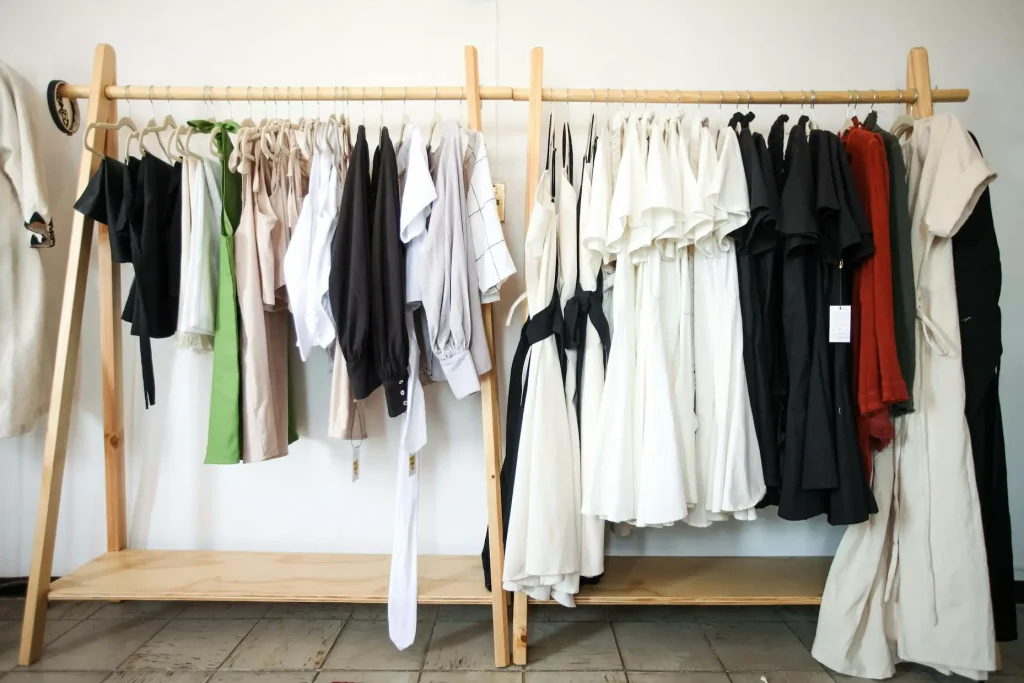
Without sampling, you're essentially investing in bulk production without knowing exactly what you'll receive.
Typical Streetwear Sample Products
| Product | Sample Required? |
|---|---|
| Oversized T-Shirt | Yes |
| Hoodie | Yes |
| Sweatpants | Yes |
| Cargo Pants | Yes |
| Varsity Jacket | Yes |
| Denim Jacket | Yes |
No matter how simple the product seems, I always recommend making samples first.
2. Why Sampling Is So Important
Many new brands view sampling as an extra expense.
In reality, it's insurance against expensive mistakes.
Problems Sampling Can Prevent
✔ Incorrect sizing
✔ Poor fabric selection
✔ Print placement errors
✔ Logo issues
✔ Construction flaws
✔ Fit problems
✔ Color inconsistencies
Real Example
Imagine producing:
- 200 hoodies
- $18 production cost each
Total investment:
$3,600
If the fit is wrong, the entire production run may become difficult to sell.
A $100 sample can prevent a $3,600 mistake.
3. The Complete Streetwear Sampling Process
Most professional manufacturers follow a similar process.
Step 1: Submit Your Design
The manufacturer needs product information.
This may include:
- Tech pack
- Sketches
- Reference photos
- Fabric preferences
- Print artwork
- Size specifications
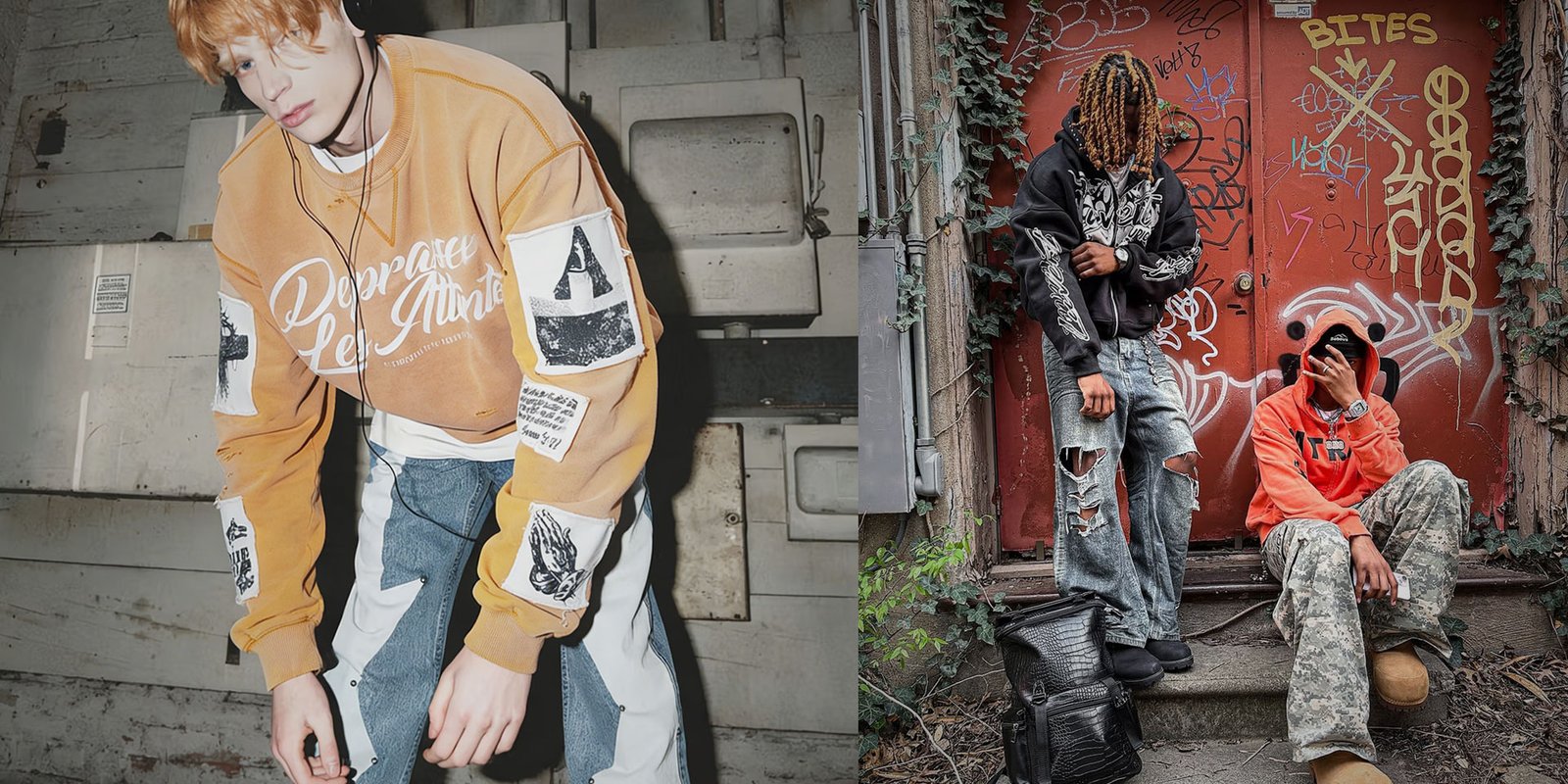
Best Practice
The more detailed your information, the better your sample will be.
Step 2: Pattern Development
The factory creates a pattern based on your design.
This stage determines:
- Measurements
- Shape
- Fit
- Construction details
Pattern Development Checklist
| Element | Included |
|---|---|
| Chest Width | Yes |
| Length | Yes |
| Sleeve Length | Yes |
| Shoulder Width | Yes |
| Fit Style | Yes |
This is the foundation of the entire garment.
Step 3: Fabric Sourcing
The manufacturer sources fabrics according to your requirements.
Examples:
- 240 GSM Cotton
- 320 GSM French Terry
- Heavyweight Fleece
- Washed Jersey
- Denim
Fabric Selection Matters
The same hoodie pattern can feel completely different depending on the fabric.
Step 4: Sample Production
Once the pattern and materials are approved, the sample is produced.
This includes:
- Cutting
- Sewing
- Printing
- Embroidery
- Washing
- Finishing
At this stage, the product begins to resemble the final garment.
Step 5: Sample Review
The sample is shipped for evaluation.
This is where you inspect:
- Measurements
- Fit
- Fabric quality
- Construction quality
- Branding details
Never rush this stage.
Step 6: Revision (If Needed)
Most samples require adjustments.
Common revisions include:
- Length changes
- Width changes
- Logo repositioning
- Fabric upgrades
- Print size adjustments
Revisions are normal.
Even experienced brands often revise samples.
Step 7: Sample Approval
Once all revisions are complete, the sample becomes the production standard.
This approved sample is often called:
- PP Sample (Pre-Production Sample)
- Approval Sample
- Golden Sample
The factory uses this version as the benchmark for bulk production.
4. Sample Types Explained
Many beginners don't realize there are different sample stages.
Sample Types
| Sample Type | Purpose |
|---|---|
| Development Sample | Initial prototype |
| Fit Sample | Test sizing |
| Sales Sample | Photography & marketing |
| PP Sample | Production approval |
| Shipping Sample | Final reference |
Not every project requires all sample types.
Most startup brands begin with a development sample followed by a PP sample.
5. Typical Sampling Timeline
One of the most common questions I receive is:
"How long does sampling take?"
Typical Timeline
| Stage | Time |
|---|---|
| Pattern Development | 2–5 Days |
| Fabric Sourcing | 2–7 Days |
| Sample Production | 5–10 Days |
| Shipping | 3–7 Days |
| Revisions | 5–10 Days |
Total Estimated Time
| Scenario | Timeline |
|---|---|
| Simple T-Shirt | 7–14 Days |
| Hoodie | 10–18 Days |
| Cargo Pants | 12–20 Days |
| Varsity Jacket | 15–30 Days |
Complex products naturally require more development time.
6. How Much Does Sampling Cost?
Sampling costs vary depending on product complexity.
Typical Sample Costs in 2026
| Product | Cost Range |
|---|---|
| T-Shirt | $30–$80 |
| Hoodie | $60–$150 |
| Sweatpants | $50–$120 |
| Cargo Pants | $80–$180 |
| Varsity Jacket | $120–$300 |
Why Samples Cost More
Unlike bulk production, samples involve:
- Individual labor
- Pattern creation
- Small material quantities
- Multiple adjustments
This is why sample pricing is usually higher than bulk unit pricing.
7. Common Sampling Mistakes
I've seen startup brands repeat the same errors.
Mistake #1: Using Low-Quality References
Bad references create bad samples.
Provide clear images and specifications.
Mistake #2: Ignoring Measurements
Never approve a sample based solely on appearance.
Always check measurements.
Mistake #3: Rushing Production
Many brands approve samples too quickly.
Take time to test:
- Fit
- Comfort
- Durability
Mistake #4: Skipping Revisions
Minor issues become major problems during bulk production.
Fix them early.
8. How to Approve a Sample Properly
Before approving a sample, review everything systematically.
Sample Approval Checklist
✔ Measurements match tech pack
✔ Fabric feels correct
✔ Print quality is acceptable
✔ Embroidery is accurate
✔ Labels are correct
✔ Packaging is confirmed
✔ Fit is approved
My Personal Rule
Never approve a sample after only looking at photos.
Always inspect the physical garment whenever possible.
9. FAQ
Do I need a sample before production?
Yes. Sampling significantly reduces production risks.
How many sample revisions are normal?
One to three rounds of revisions are common.
Why do manufacturers charge for samples?
Samples require development work, labor, materials, and technical expertise.
Can I skip the PP sample?
I don't recommend it.
The PP sample serves as the production reference.
How long should sampling take?
Most streetwear samples require between 7 and 20 days depending on complexity.
Final Thoughts
The streetwear sampling process may seem slow, but it's one of the most valuable investments you can make.
A proper sample helps ensure:
- Better fit
- Higher quality
- Fewer production mistakes
- Stronger customer satisfaction
In my experience, successful brands treat sampling as part of product development—not as an optional expense.
If you're planning to launch your own streetwear collection, working with an experienced manufacturer can make the entire sampling process smoother and more efficient.
Helpful resources:
Industry references:
Remember:
A great streetwear collection starts with a great sample.
