A typical streetwear production timeline takes 6–12 weeks from confirmed design to finished bulk order, but the exact schedule depends on fabric availability, sample revisions, printing, embroidery, washing, order quantity, and shipping method.
From my experience managing custom streetwear production, the sewing stage is rarely the only reason an order takes longer than expected. Most delays happen because the fabric is not confirmed, artwork changes late, samples require several revisions, or approvals are not returned quickly.
Practical answer: Allow 2–4 weeks for development and approval, 3–6 weeks for bulk production, and additional time for inspection and shipping.
Table of Contents
- Streetwear Production Timeline at a Glance
- Stage 1: Product Brief and Tech Pack
- Stage 2: Fabric and Trim Sourcing
- Stage 3: Sample Development
- Stage 4: Sample Revision and Approval
- Stage 5: Pre-Production Preparation
- Stage 6: Bulk Manufacturing
- Stage 7: Quality Control and Packing
- Stage 8: Shipping
- What Can Delay Production?
- How to Shorten the Timeline
- Frequently Asked Questions
- Final Recommendation
Streetwear Production Timeline at a Glance
| Production Stage | Practical Planning Range |
|---|---|
| Product brief and quotation | 1–5 days |
| Fabric and trim sourcing | 3–14 days |
| First sample development | 5–10 days |
| Sample revision | 5–10 days per round |
| Pre-production preparation | 3–7 days |
| Bulk material preparation | 7–20 days |
| Bulk production | 20–35 days |
| Final inspection and packing | 2–5 days |
| Shipping | Depends on destination and method |
These ranges are planning references rather than guaranteed delivery times.
A simple stock-fabric T-shirt may move faster. A custom washed hoodie, embroidered jacket, or multi-panel cargo pant will normally require more development.
Stage 1: Product Brief and Tech Pack
The timeline begins when the manufacturer receives enough information to understand the product.
A complete brief should include:
- Front and back designs
- Size chart
- Fabric composition and GSM
- Color references
- Printing or embroidery details
- Labels and packaging
- Estimated quantity
- Required delivery date
Incomplete specifications create repeated questions and inaccurate quotations.
For custom product development, brands can review FuKi Apparel OEM and ODM Services.
What I Confirm Before Starting
I normally confirm three points first:
- Is the required fabric available?
- Can the design be produced at the requested quantity?
- Is the requested delivery date realistic?
A manufacturer cannot build a reliable schedule while the fabric, quantity, or decoration method is still changing.
Stage 2: Fabric and Trim Sourcing
Fabric availability has a major effect on production time.
Stock Fabric
Stock fabric is usually faster because it has already been knitted, dyed, and finished.
It is suitable when:
- The quantity is limited.
- Existing colors are acceptable.
- Faster sampling is important.
- The product is being tested.
Custom Fabric
Custom fabric may require:
- Yarn preparation
- Knitting or weaving
- Lab dips
- Color approval
- Dyeing
- Finishing
- Testing
This can add several weeks before cutting begins.
Brands needing custom composition, weight, color, or finish can explore FuKi Apparel Custom Fabric Services.
Do Not Forget Trims
Production can also be delayed by:
- Custom zippers
- Branded buttons
- Woven labels
- Silicone patches
- Drawcords
- Special rib
- Custom packaging
I recommend approving trims at the same time as the garment sample rather than waiting until bulk production starts.
Stage 3: Sample Development
The first sample checks whether the design can become a real garment.
The manufacturer may need to complete:
- Pattern making
- Fabric preparation
- Cutting
- Sewing
- Printing or embroidery
- Garment washing
- Finishing
- Measurement inspection
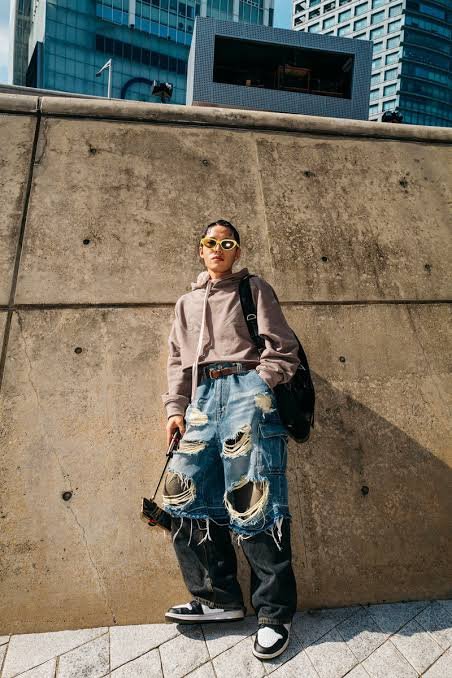
A basic T-shirt may take less time than a lined jacket or technical cargo pant.
Sample Time by Product Complexity
| Product | General Complexity |
|---|---|
| Basic graphic T-shirt | Low |
| Oversized custom T-shirt | Low to medium |
| Hoodie or sweatpants | Medium |
| Washed garment | Medium |
| Cargo pants | Medium to high |
| Varsity or technical jacket | High |
Custom oversized silhouettes can be developed through FuKi Apparel Oversized T-Shirt Manufacturing.
Stage 4: Sample Revision and Approval
The first sample is not always the final sample.
Common revisions include:
- Changing garment length
- Adjusting shoulder width
- Repositioning artwork
- Changing fabric
- Correcting color
- Modifying embroidery
- Improving the wash effect
Each new sample round adds development time.
How to Give Faster Sample Comments
Provide comments in one organized file containing:
- Measurement changes
- Construction changes
- Artwork changes
- Clear photographs
- Final approval status
Avoid sending separate comments across email, WhatsApp, and voice messages. Scattered feedback can create confusion and repeated revisions.
Fast approval does not mean accepting an incorrect sample. It means giving complete, measurable feedback without unnecessary delay.
Stage 5: Pre-Production Preparation
After the sample is approved, the manufacturer prepares the bulk order.
This stage may include:
- Final price confirmation
- Purchase-order confirmation
- Fabric ordering
- Trim ordering
- Size breakdown
- Production pattern preparation
- Cutting marker preparation
- Pre-production sample approval
The pre-production sample should represent the final garment as closely as possible.
It should confirm:
- Bulk fabric
- Final measurements
- Construction
- Print or embroidery
- Labels
- Packaging
Production should not begin while major details remain unapproved.
Stage 6: Bulk Manufacturing
Bulk manufacturing usually includes more than sewing.
A streetwear order may move through:
- Fabric inspection
- Fabric relaxation
- Cutting
- Printing or embroidery
- Sewing
- Garment washing
- Finishing
- Measurement checking
- Thread trimming
- Packing
What Affects Bulk Production Time?
| Factor | Possible Effect |
|---|---|
| Larger quantity | Requires more cutting and sewing time |
| More colorways | Creates additional material and setup work |
| Complex construction | Slows sewing and inspection |
| Large embroidery | Adds machine time |
| Garment washing | Adds processing and drying |
| Multiple print placements | Adds production operations |
| Custom packaging | Requires more finishing work |
Screen printing, puff printing, DTG, silicone printing, and embroidery can be coordinated through FuKi Apparel Custom Printing Services.
Stage 7: Quality Control and Packing
Quality control should happen during production, not only after it finishes.
Useful inspection points include:
- Incoming fabric inspection
- First production piece
- In-line sewing inspection
- Print or embroidery inspection
- Measurement checks
- Final random inspection
- Packaging verification
FuKi Apparel provides material, in-line, and final checks through its Streetwear Quality Control Service.
The AATCC Testing and Standards Resource also provides recognized methods for evaluating textile performance, laundering, dimensional change, and colorfastness.
Do Not Remove Inspection Time
When a delivery date becomes tight, some brands ask the manufacturer to ship immediately after sewing.
I do not recommend removing final inspection. A few extra inspection days are normally safer than receiving an entire order with repeated defects.
Stage 8: Shipping
Production completion is not the same as customer delivery.
Shipping time depends on:
- Destination
- Shipment size
- Courier, air, rail, or sea transport
- Customs clearance
- Peak-season congestion
- Trade terms
| Shipping Method | Best Use |
|---|---|
| Express courier | Samples and urgent small shipments |
| Air freight | Time-sensitive medium orders |
| Sea freight | Larger orders with flexible delivery dates |
Brands should confirm whether quotations use EXW, FOB, CIF, DDP, or another term. The Trade.gov Incoterms Guide explains how these terms divide transport costs and responsibilities.
What Can Delay Production?
The most common delays include:
Late Design Changes
Changing fit, fabric, or artwork after approval may require new samples.
Custom Fabric Development
Lab dips, custom dyeing, and special finishes require additional time.
Slow Sample Feedback
Production cannot continue while approvals remain pending.
Failed Printing or Embroidery Tests
Artwork may need adjustment when details are too small or the fabric is unsuitable.
Garment-Wash Variation
Vintage, pigment, or acid washes may need several trials.
Material Quality Problems
Fabric shade differences, shrinkage, or defects must be solved before cutting.
Peak Production Seasons
Factory capacity and material lead times may become longer before holidays or major retail seasons.
How to Shorten the Timeline
Use Available Fabric
Stock materials reduce development and dyeing time.
Limit First-Order Complexity
Begin with fewer:
- Styles
- Colors
- Fabrics
- Decoration methods
- Custom trims
Provide Complete Files
Send final artwork, measurements, colors, and label details together.
Approve Quickly but Carefully
Set internal deadlines for reviewing:
- Fabric
- Samples
- Artwork
- Pre-production garments
Book Production Early
Do not wait until the sample is finished to discuss bulk capacity.
Keep a Time Buffer
I recommend adding at least one to two weeks of buffer between the expected delivery date and the actual launch or customer deadline.
Frequently Asked Questions
How long does streetwear production take?
A custom streetwear order commonly requires 6–12 weeks from confirmed specifications to finished production, excluding some shipping schedules.
How long does a streetwear sample take?
A basic sample may take approximately 5–10 days after materials and specifications are confirmed. Complex garments may take longer.
How long does bulk production take?
Bulk production often requires approximately 20–35 days after fabric, samples, pricing, and order details are approved.
What takes the longest in clothing production?
Custom fabrics, repeated sample revisions, complex embroidery, garment washing, and late approvals often create the longest delays.
Can streetwear production be completed faster?
Yes, when the brand uses available fabrics, simple products, fewer colors, complete technical files, and fast approvals.
When should I contact a manufacturer?
Contact the manufacturer several months before the intended launch, especially when the collection includes custom fabrics, washing, embroidery, or international shipping.
Final Recommendation
A reliable streetwear production schedule should include:
- Product specification
- Fabric and trim sourcing
- Sample development
- Sample revision
- Pre-production approval
- Bulk manufacturing
- Quality inspection
- Packing and shipping
My main recommendation is:
Plan backward from the required delivery date, not the launch date. Include development, approvals, production, inspection, shipping, and a realistic delay buffer.
FuKi Apparel supports streetwear brands with product development, fabric sourcing, sampling, printing, embroidery, garment washing, private labels, quality control, packaging, and bulk production.
Visit FuKi Apparel or contact our streetwear manufacturing team to discuss a realistic production schedule for your collection.