
Table of Contents
- Quick Answer
- What Is Private Label in Streetwear?
- What Is OEM in Streetwear?
- OEM vs Private Label: Side-by-Side Comparison
- When Private Label Makes Sense
- When OEM Is the Better Choice
- Cost, MOQ & Timeline Breakdown
- Common Mistakes When Choosing a Model
- Decision Framework for New Brands
- FAQ
- Conclusion
- Internal Reference
Quick Answer
If you want a fast, low-risk launch → Private Label is easier.
If you want long-term differentiation and brand control → OEM (Original Equipment Manufacturing) is stronger.
From my experience working with both startup and scaling streetwear brands, the right choice depends on:
- Budget
- Brand positioning
- Timeline
- Growth ambition

There is no “universal best.”
There is only “best for your stage.”
What Is Private Label in Streetwear?
Private label means:
You select pre-existing garment templates and customize them with:
- Your logo
- Neck labels
- Packaging
- Minor adjustments
The base pattern and fabric already exist.
Advantages:
- Faster production
- Lower development cost
- Lower MOQ (Minimum Order Quantity)
- Simpler process
Limitations:
- Limited fit customization
- Less fabric control
- Lower uniqueness
Private label is common among new brands testing market demand.
What Is OEM in Streetwear?
OEM (Original Equipment Manufacturing) means:
You develop garments from scratch, including:
- Custom patterns
- Fabric selection
- Fit development
- Trims & construction details
You control everything.
Advantages:
- Full brand differentiation
- Unique fit & silhouette
- Custom fabric weight
- Higher perceived value
Limitations:
- Higher development cost
- Longer sampling time
- Higher MOQ
OEM supports premium positioning.
OEM vs Private Label: Side-by-Side Comparison
| Factor | Private Label | OEM |
|---|---|---|
| Speed | Fast | Moderate |
| Development Cost | Low | Higher |
| MOQ | Lower | Moderate–High |
| Fit Control | Limited | Full |
| Fabric Customization | Minimal | Full |
| Brand Differentiation | Moderate | High |
| Long-Term Scalability | Medium | Strong |
If you're building a long-term streetwear label, OEM provides stronger foundation.
When Private Label Makes Sense
Private label is ideal when:
- You are testing your first collection
- Budget is under $10,000
- You want to validate demand quickly
- You are focusing on branding and marketing first
According to market data insights from Statista – Apparel Industry Data, many small fashion startups begin with low-risk models before scaling.
Private label reduces financial exposure.
When OEM Is the Better Choice
OEM works best when:
- You aim for premium positioning
- Fabric weight and structure matter
- You want long-term brand recognition
- You are planning seasonal collections
Trend forecasting platforms like WGSN – Global Fashion Forecasting consistently show that quality differentiation drives loyalty.
OEM gives you that control.
Cost, MOQ & Timeline Breakdown
Private Label
- Sampling: $200–$500 per style
- MOQ: 50–150 units
- Production time: 20–30 days
OEM
- Sampling: $500–$1,500 per style
- MOQ: 100–300 units
- Production time: 30–45 days
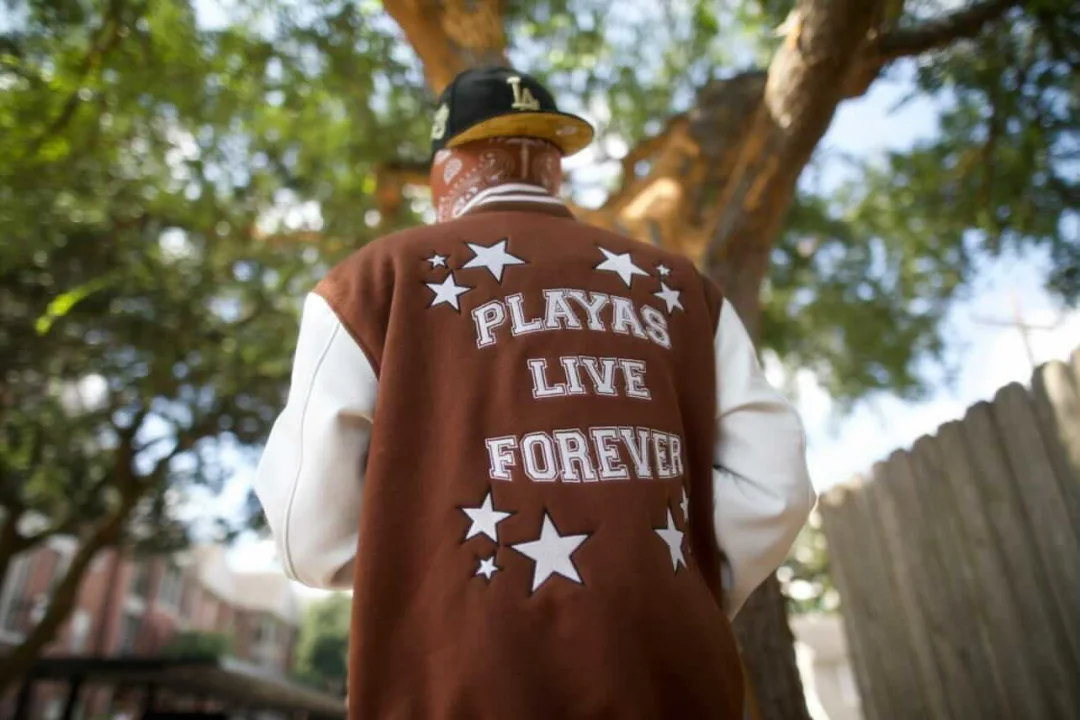
Budget depends on complexity and customization.
Common Mistakes When Choosing a Model
1. Choosing OEM Without Budget
Underfunded development leads to poor execution.
2. Choosing Private Label for Premium Pricing
Consumers can tell when fit and fabric are generic.
3. Ignoring Long-Term Vision
Your first model should align with your 3-year plan.
Streetwear consumers today are more quality-sensitive than ever.
Fashion behavior research discussed in Harvard Business Review – Branding Strategy emphasizes differentiation as key to sustainable growth.
Decision Framework for New Brands
Ask yourself:
- Are you testing or building long-term?
- Do you need speed or uniqueness?
- Is your audience price-sensitive or quality-focused?
- Can you afford extended development time?
Quick Recommendation Guide:
| Brand Stage | Recommended Model |
|---|---|
| Early Testing | Private Label |
| Growth Phase | Hybrid Model |
| Premium Expansion | OEM |
Some brands even start private label and transition to OEM later.
FAQ
Is OEM always more expensive?
Yes upfront — but stronger long-term brand equity.
Can I mix private label and OEM?
Yes. Many brands launch basics via private label and signature pieces via OEM.
Does OEM guarantee higher quality?
Only if you work with experienced manufacturers.
Which model has lower risk?
Private label — especially for first-time founders.
Conclusion
OEM and Private Label are tools — not competitors.
Private label offers speed and simplicity.
OEM offers control and differentiation.
If your goal is:
- Quick launch → Private Label
- Premium positioning → OEM
- Long-term brand building → OEM
Choosing correctly saves time, money, and frustration.
Internal Reference
If you're evaluating OEM or Private Label production for your streetwear brand and want structured manufacturing guidance, explore 👉
Fuki Apparel – Streetwear Manufacturing Solutions
Professional production support reduces costly mistakes and improves scalability.
