
Starting a clothing brand can be overwhelming, especially when deciding how to produce your first collection.
One common question I get from beginners is:
"Should I use private label manufacturing for my new brand?"
The short answer is: it depends on your goals, budget, and long-term strategy.
I've worked with many streetwear and casualwear startups, and I’ve seen founders succeed using private label methods—while others struggle because they misunderstood the benefits and limitations.
This guide will explain what private label manufacturing is, when it’s appropriate for new brands, and practical tips to get started without overspending or overcomplicating your launch.
Table of Contents
- 1. What is Private Label Manufacturing?
- 2. Benefits for New Clothing Brands
- 3. Limitations and Considerations
- 4. When Private Label Makes Sense
- 5. Comparing Private Label vs Full Custom Production
- 6. How to Find the Right Private Label Manufacturer
- 7. Tips for Maximizing Private Label Success
- 8. FAQ
- Final Thoughts
1. What is Private Label Manufacturing?
Private label manufacturing is when you purchase pre-made clothing products from a factory and brand them as your own.
Unlike full custom production, the base garment already exists. You often customize:
- Labels and tags
- Branding placement
- Minor design tweaks
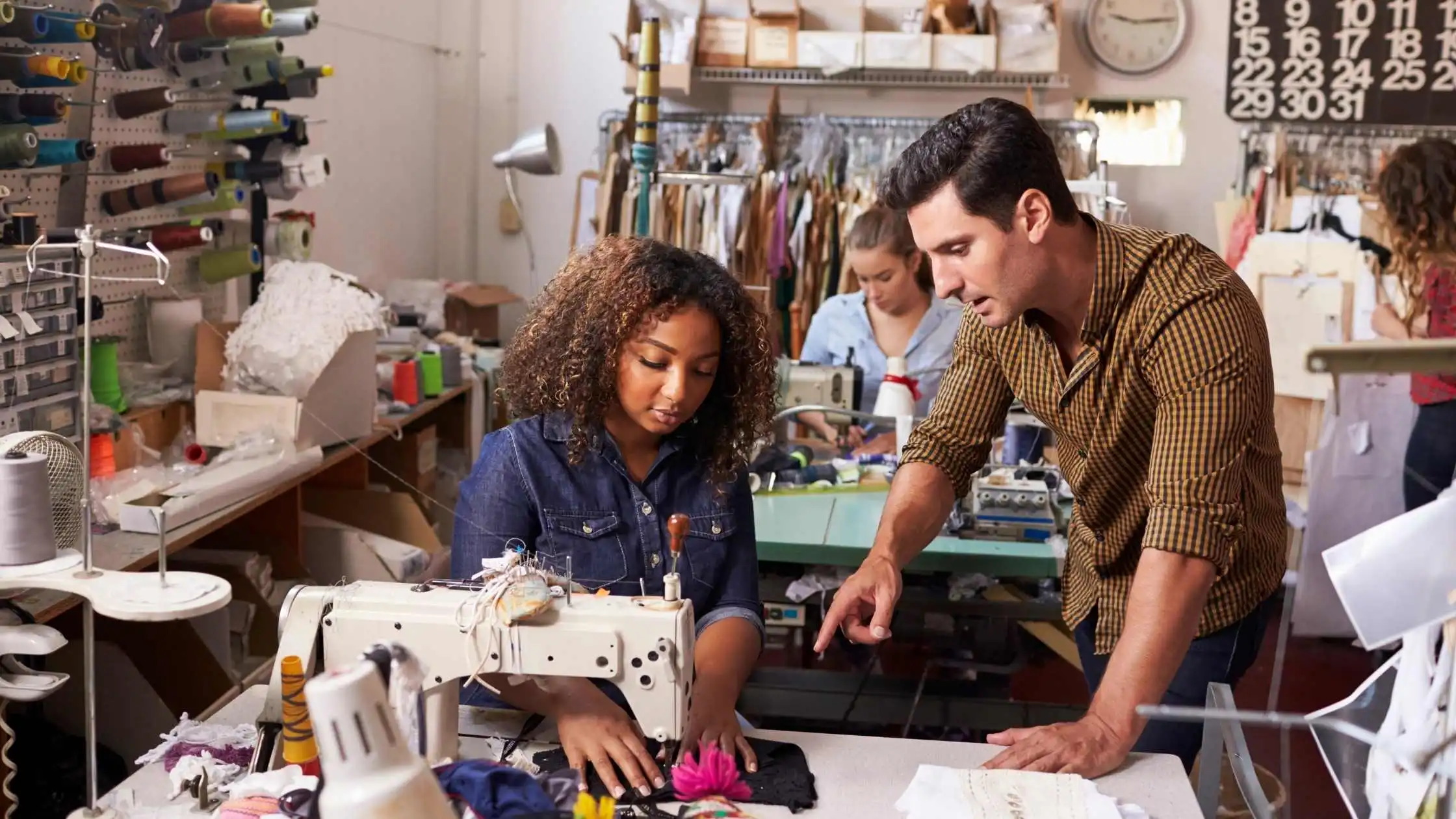
This approach is different from designing everything from scratch (OEM/ODM) but is faster and often more affordable for beginners.
2. Benefits for New Clothing Brands
Private label offers several advantages:
| Benefit | Explanation |
|---|---|
| Lower Startup Cost | You avoid expensive sampling and pattern making |
| Faster Launch | Products are ready-made, reducing lead time |
| Simplified Production | Less risk of errors from inexperienced manufacturing |
| Easier to Test Market | Small quantities can validate demand before scaling |
For many first-time founders, private label is the quickest path to market.
3. Limitations and Considerations
Despite its advantages, private label has limitations:
- Less control over fabric quality and fit
- Limited customization options
- Possible overlap with other brands using the same base product
- Lower differentiation potential
Key Consideration
If your brand’s identity relies heavily on unique design and proprietary fabrics, private label may not fully support your vision.
4. When Private Label Makes Sense
Private label is ideal for:
- Testing a brand idea without heavy upfront costs
- Launching with a minimal budget
- Learning the market and iterating quickly
- Building an online store before committing to full custom production
It can also serve as a bridge to full custom production as your brand grows.
5. Comparing Private Label vs Full Custom Production
| Factor | Private Label | Full Custom (OEM/ODM) |
|---|---|---|
| Startup Cost | Low | High |
| Time to Market | Fast | Slower |
| Customization | Limited | Full control |
| Differentiation | Medium | High |
| Risk | Low | Medium-High |
| Scalability | Moderate | High |
For most first-time brands, private label reduces risk while enabling early learning.
6. How to Find the Right Private Label Manufacturer
Even with pre-made garments, choosing a reliable manufacturer is critical.
Key Questions
- Minimum order quantities (MOQ)
- Available sizes and colorways
- Branding options (tags, embroidery, printing)
- Quality control and consistency
- Shipping and lead times
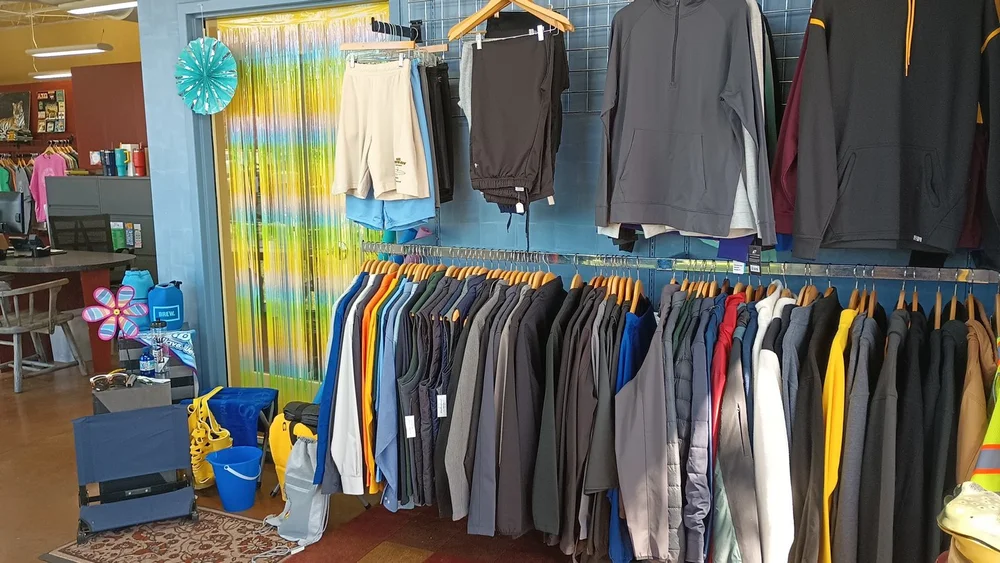
Recommended resource for beginner-friendly private label support:
7. Tips for Maximizing Private Label Success
- Start small to validate demand
- Focus on a few key products or SKUs
- Optimize branding placement for visual impact
- Collect feedback and iterate quickly
- Plan for the transition to full custom production as your brand grows
Even with limited customization, well-branded private label items can create a strong impression.
8. FAQ
Can a new brand be successful with private label?
Yes. Many streetwear startups use private label to launch and later transition to custom production.
How many SKUs should I start with?
1–3 products is ideal for a first collection.
Is private label cheaper than full custom?
Generally yes, especially when factoring in development, sampling, and pattern-making costs.
Can I scale using private label?
Yes, but options are limited. Once demand grows, transitioning to custom production is common.
Do I need experience to use private label manufacturing?
No. It’s beginner-friendly and reduces the complexity of launching your first collection.
Final Thoughts
Private label manufacturing can be a powerful tool for first-time clothing brands.
It helps reduce risk, cut costs, and speed up time-to-market, while still allowing you to test your ideas and learn the business.
Key takeaways:
- Evaluate your brand goals before choosing production type
- Start small and validate demand
- Focus on strong branding and product quality
- Transition to custom production as your brand scales
For beginner-friendly private label support, consider:
Private label is not just a shortcut—it can be a strategic foundation for building a successful clothing brand.
