
Table of Contents
- Quick Answer
- What Is Private Label Streetwear?
- What Is Custom Streetwear Manufacturing?
- Key Differences at a Glance
- Pros and Cons of Each Model
- Which Model Fits Your Brand Stage?
- Cost, MOQ & Timeline Comparison
- Real-World Use Cases
- Common Mistakes When Choosing
- Decision Checklist
- FAQ
- Conclusion
- Internal Reference
Quick Answer
Private label is faster, cheaper, and easier to start.
Custom streetwear offers full control, stronger branding, and better long-term growth.
From my experience, beginners often start with private label, but brands aiming to stand out eventually move toward custom production.
What Is Private Label Streetwear?
Private label means you take ready-made garments and add your branding.
Typical Process
- choose existing designs
- add logo or labels
- place bulk order
Key Characteristics
- minimal design control
- faster production
- lower development cost
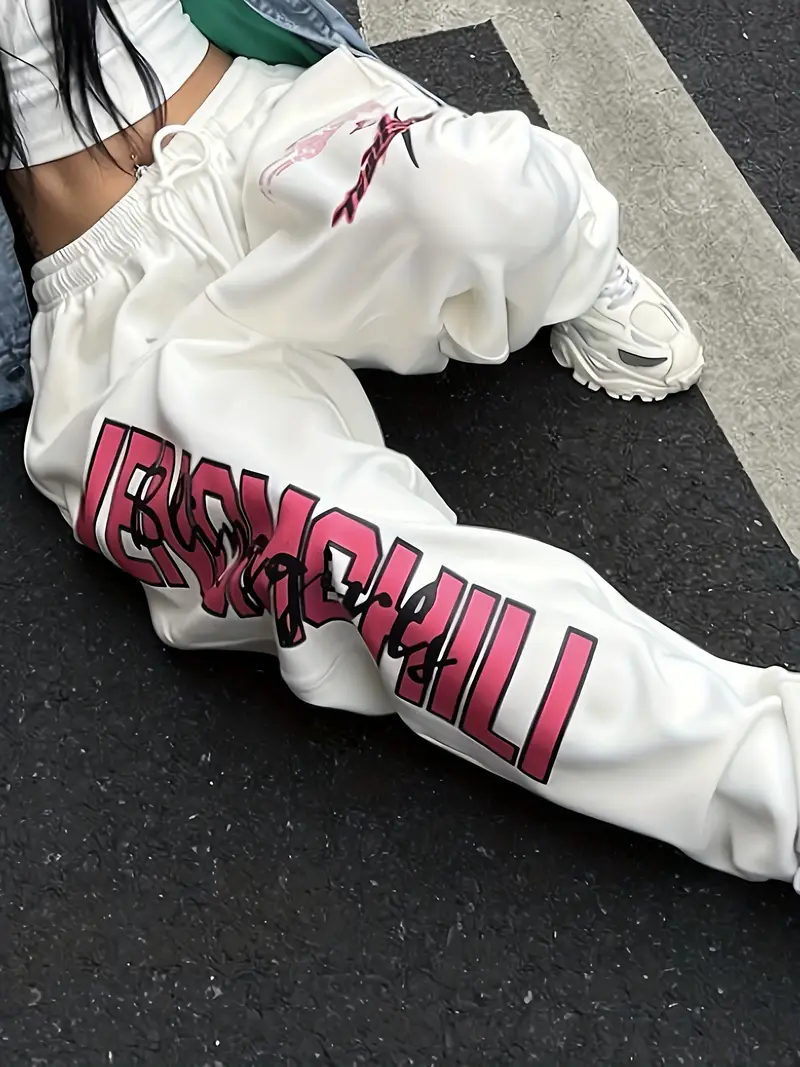
This model is commonly used by brands testing the market.
What Is Custom Streetwear Manufacturing?
Custom manufacturing means building products from scratch.
Typical Process
- design development
- fabric selection
- pattern creation
- sampling
- bulk production
Key Characteristics
- full creative control
- unique product identity
- longer development cycle
Streetwear culture values originality, which makes custom production more competitive.
Platforms like Hypebeast frequently showcase brands that stand out through unique design and construction.
Key Differences at a Glance
| Factor | Private Label | Custom Streetwear |
|---|---|---|
| Design control | Low | High |
| Speed | Fast | Slower |
| Cost | Lower | Higher |
| MOQ | Lower | Medium |
| Brand uniqueness | Limited | Strong |
Pros and Cons of Each Model
Private Label
Pros
- quick to launch
- lower upfront investment
- simple process
Cons
- limited differentiation
- shared product designs
- weaker brand identity
Custom Streetwear
Pros
- full control over product
- stronger brand positioning
- higher perceived value
Cons
- longer development time
- higher cost
- requires more planning
Industry insights from Business of Fashion show that differentiation is a key factor in long-term brand success.
Which Model Fits Your Brand Stage?
Choosing the right model depends on where you are.
Startup Stage
👉 Choose Private Label
- test product ideas
- reduce risk
- launch quickly
Growth Stage
👉 Transition to Custom
- build unique identity
- improve product quality
- increase brand value
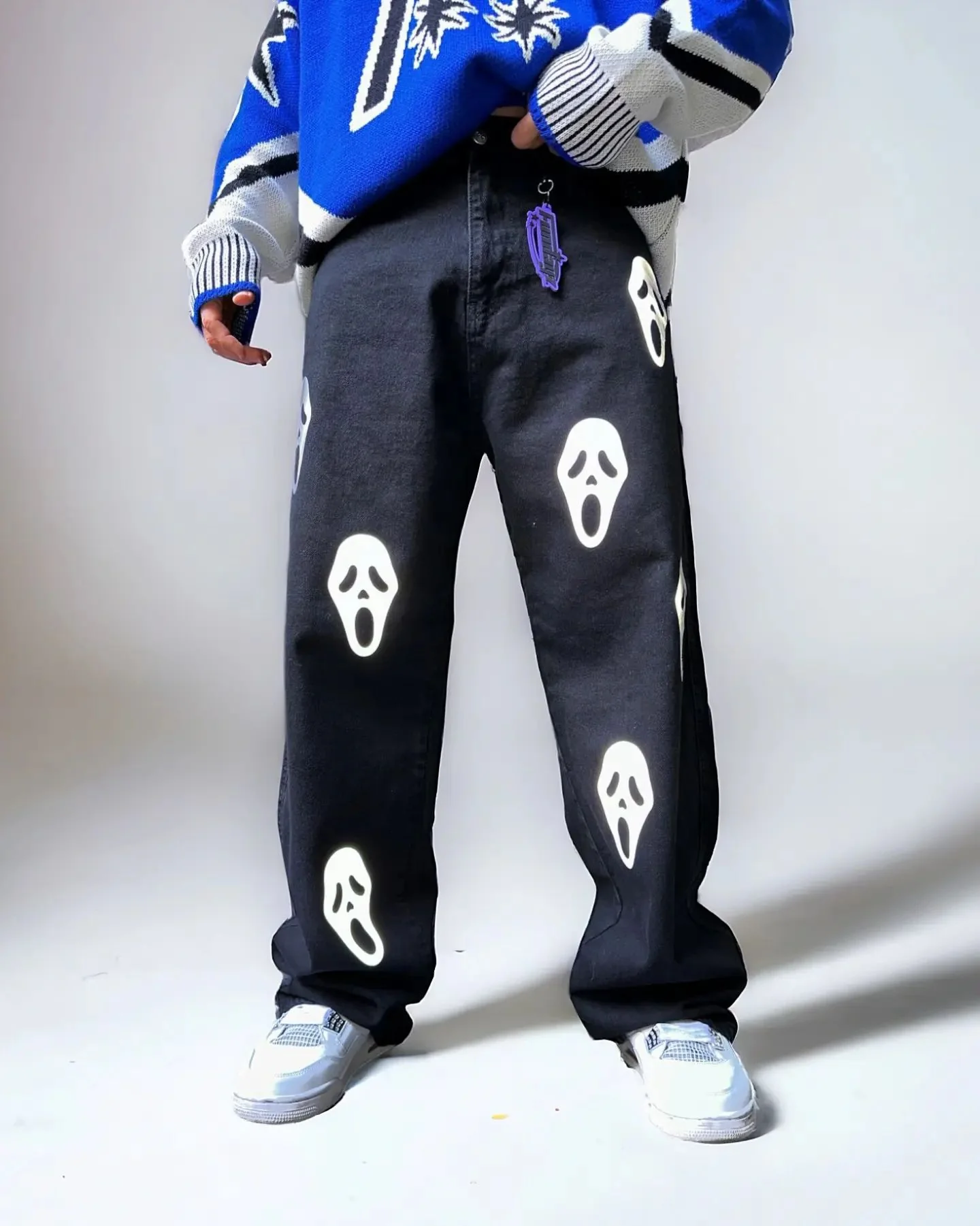
Established Brand
👉 Focus on Custom Production
- maintain exclusivity
- scale with consistency
- strengthen positioning
Cost, MOQ & Timeline Comparison
Understanding numbers helps you decide faster.
| Category | Private Label | Custom |
|---|---|---|
| MOQ | 30–100 pcs | 50–150 pcs |
| Development cost | Low | Medium |
| Production time | 2–4 weeks | 4–8 weeks |
| Unit price | Lower | Higher |
Real-World Use Cases
Case 1: Testing a New Brand
Use private label to:
- validate demand
- test pricing
- launch quickly
Case 2: Building a Strong Brand
Use custom production to:
- create signature pieces
- control quality
- differentiate from competitors
Case 3: Scaling Business
Combine both:
- private label for basics
- custom for core products
Common Mistakes When Choosing
Choosing Only Based on Price
Cheaper is not always better long-term.Ignoring Brand Identity
Private label limits your ability to stand out.Overcomplicating Too Early
Custom production is powerful but requires planning.Misjudging MOQ
Always confirm minimum order quantities before starting.
Decision Checklist
Use this quick guide:
| Question | If Yes → |
|---|---|
| need fast launch? | private label |
| limited budget? | private label |
| want unique designs? | custom |
| building long-term brand? | custom |
FAQ
Which model is better for beginners?
Private label is easier and faster for beginners.
Can I switch from private label to custom?
Yes, many brands start with private label and transition later.
Is custom manufacturing worth it?
Yes, if you want long-term brand growth and differentiation.
What is the biggest risk?
Choosing the wrong model for your current stage.
Conclusion
Both private label and custom streetwear models have their place.
- choose private label for speed and simplicity
- choose custom for branding and long-term growth
From what I’ve seen, the most successful brands know when to switch from one model to the other.
Internal Reference
If you're exploring custom streetwear production, check:
👉 Fuki Apparel – Custom Streetwear Manufacturer
A reliable partner can help you build unique products and scale your brand effectively.
