
If you're planning to launch a clothing brand, one of the first major decisions you'll face is:
Should you choose private label manufacturing or custom manufacturing?
At first glance, they may seem similar because both allow you to sell products under your own brand name.
However, the reality is very different.
The manufacturing model you choose will affect:
- Startup costs
- Product uniqueness
- Brand positioning
- Production speed
- Profit margins
- Long-term growth potential
I've worked with both startup apparel brands and established streetwear companies, and I've noticed a common pattern:
Brands focused on launching quickly often prefer private label, while brands focused on building long-term differentiation usually choose custom manufacturing.
In this guide, I'll break down the differences between private label and custom manufacturing, compare costs, flexibility, risks, and help you determine which option best fits your brand.
Table of Contents
- 1. What Is Private Label Manufacturing?
- 2. What Is Custom Manufacturing?
- 3. Quick Comparison
- 4. Product Customization Differences
- 5. Cost Comparison
- 6. Production Timeline Comparison
- 7. Brand Differentiation and Exclusivity
- 8. MOQ Comparison
- 9. Which Option Is Better for Streetwear Brands?
- 10. Common Mistakes New Brands Make
- 11. FAQ
- Final Thoughts
1. What Is Private Label Manufacturing?
Private label manufacturing means selecting products that already exist and selling them under your own brand.
The factory has already developed:
- Patterns
- Fits
- Fabrics
- Construction methods
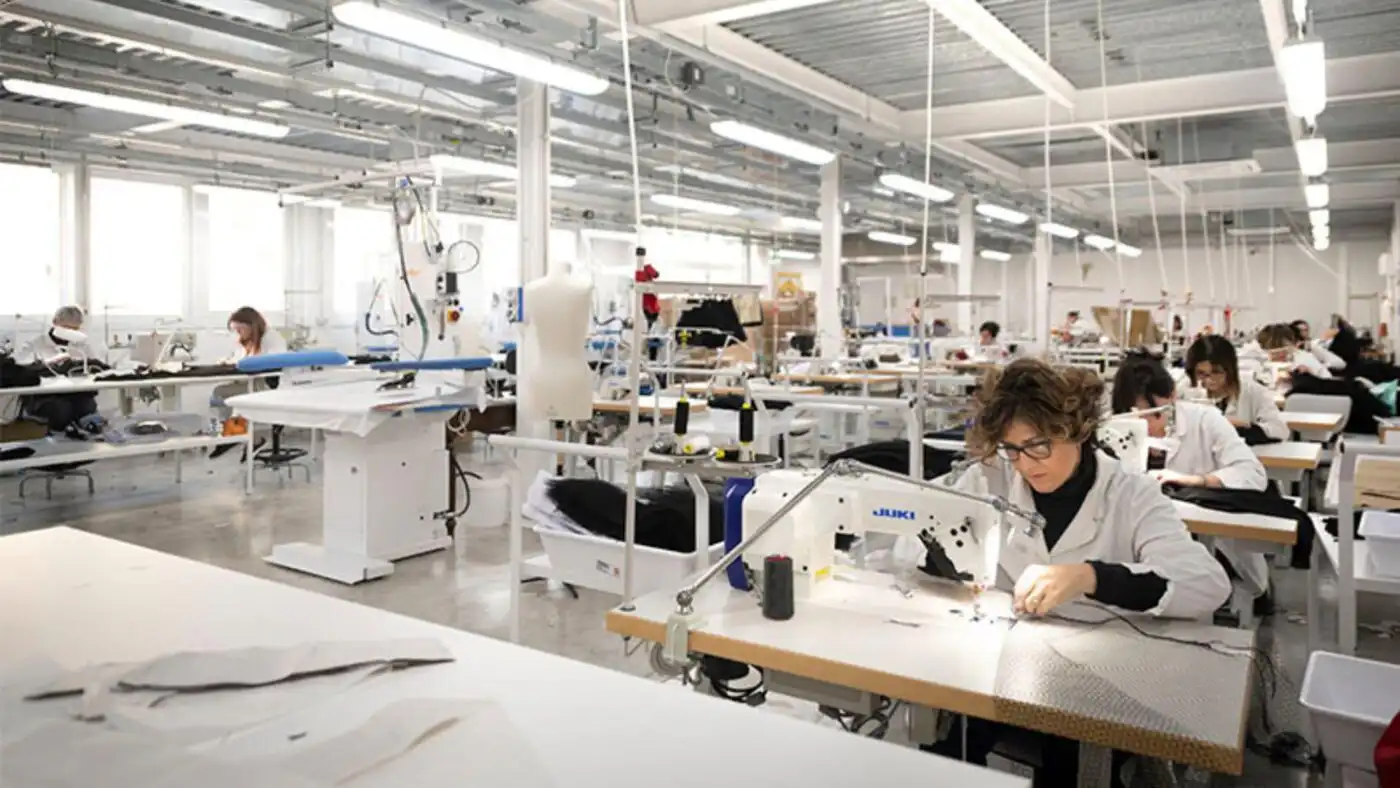
You simply add your branding.
Typical Private Label Customizations
- Neck labels
- Hang tags
- Packaging
- Screen printing
- Embroidery
- Puff printing
Why Brands Choose Private Label
✔ Faster launch
✔ Lower development costs
✔ Smaller risk
✔ Simpler production process
Private label is often the easiest way for beginners to enter the apparel industry.
2. What Is Custom Manufacturing?
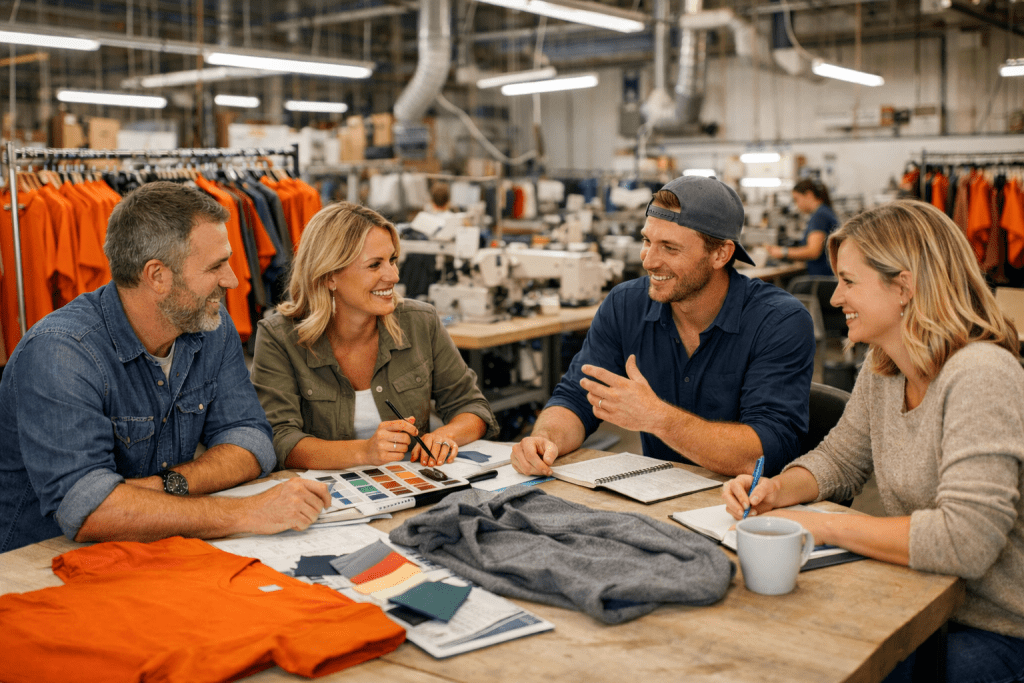
Custom manufacturing involves creating products specifically for your brand.
Instead of choosing existing products, you develop your own.
This may include:
- Custom fabrics
- Custom patterns
- Unique fits
- Specialized trims
- Exclusive construction methods
Typical Custom Manufacturing Process
- Concept development
- Tech pack creation
- Fabric sourcing
- Pattern making
- Sample production
- Revisions
- Bulk production
Why Brands Choose Custom Manufacturing
✔ Unique products
✔ Complete control
✔ Stronger brand identity
✔ Greater long-term value
Custom manufacturing allows brands to build products competitors cannot easily copy.
3. Quick Comparison
| Feature | Private Label | Custom Manufacturing |
|---|---|---|
| Startup Cost | Lower | Higher |
| Development Time | Fast | Longer |
| Product Uniqueness | Moderate | Excellent |
| Fabric Control | Limited | Complete |
| Fit Control | Limited | Complete |
| Risk Level | Lower | Higher |
| Brand Differentiation | Moderate | Excellent |
| Scalability | Good | Excellent |
The biggest difference is control versus convenience.
4. Product Customization Differences
Customization is where the gap becomes obvious.
Private Label Flexibility
Usually allows:
- Brand labels
- Packaging
- Graphics
- Embroidery
The core garment remains unchanged.
Custom Manufacturing Flexibility
Allows customization of:
- Fabric composition
- GSM
- Silhouette
- Measurements
- Stitching details
- Wash treatments
- Hardware
- Trims
Customization Comparison
| Area | Private Label | Custom Manufacturing |
|---|---|---|
| Labels | Yes | Yes |
| Packaging | Yes | Yes |
| Graphics | Yes | Yes |
| Custom Fabric | Limited | Yes |
| Custom Fit | No | Yes |
| Unique Construction | No | Yes |
If originality matters, custom manufacturing offers far greater freedom.
5. Cost Comparison
Budget often determines the starting point for many brands.
Private Label Costs
Typical expenses include:
- Product purchase
- Decoration
- Branding
- Packaging
Custom Manufacturing Costs
Additional costs include:
- Pattern development
- Sampling
- Fabric sourcing
- Technical development
Cost Overview
| Cost Category | Private Label | Custom Manufacturing |
|---|---|---|
| Initial Investment | Low | High |
| Sampling Cost | Minimal | Significant |
| Development Cost | Low | High |
| Product Cost | Moderate | Variable |
For startups with limited capital, private label can reduce financial risk.
6. Production Timeline Comparison
Time-to-market matters.
Private Label Timeline
Because products already exist, production can move quickly.
Typical process:
- Choose garment
- Add branding
- Produce
- Ship
Custom Manufacturing Timeline
Requires:
- Product development
- Sample approval
- Production planning
- Bulk manufacturing
Timeline Comparison
| Stage | Private Label | Custom Manufacturing |
|---|---|---|
| Development | Minimal | Extensive |
| Sampling | Fast | Slower |
| Production Setup | Fast | Moderate |
| Launch Speed | Excellent | Moderate |
Brands launching quickly often choose private label.
7. Brand Differentiation and Exclusivity
This is where custom manufacturing becomes powerful.
Private Label Challenge
Your competitors may use the same base products.
This can limit differentiation.
Custom Manufacturing Advantage
You control:
- Product design
- Fabric feel
- Fit profile
- Technical details
Brand Value Comparison
| Factor | Private Label | Custom Manufacturing |
|---|---|---|
| Exclusivity | Moderate | Excellent |
| Brand Identity | Good | Excellent |
| Product Ownership | Limited | Complete |
| Long-Term Value | Good | Excellent |
The strongest apparel brands eventually create products unique to their brand.
8. MOQ Comparison
Minimum order quantities often influence manufacturing decisions.
Private Label MOQs
Generally:
- Lower
- More flexible
- Startup-friendly
Custom Manufacturing MOQs
Typically:
- Higher
- More structured
- Better suited for growth-stage brands
MOQ Overview
| Factor | Private Label | Custom Manufacturing |
|---|---|---|
| Entry Barrier | Low | Moderate |
| Inventory Risk | Lower | Higher |
| Testing Products | Excellent | Moderate |
| Scaling Products | Good | Excellent |
Many successful brands begin with private label and transition later.
9. Which Option Is Better for Streetwear Brands?
Streetwear is highly competitive.
Consumers increasingly value originality.
Private Label Works Best For
- First-time entrepreneurs
- Small budgets
- Fast launches
- Market testing
Custom Manufacturing Works Best For
- Premium streetwear
- Luxury collections
- Long-term brand building
- Unique silhouettes
Streetwear Decision Matrix
| Goal | Best Choice |
|---|---|
| Launch Quickly | Private Label |
| Minimize Risk | Private Label |
| Build Premium Brand | Custom Manufacturing |
| Create Unique Products | Custom Manufacturing |
| Long-Term Growth | Custom Manufacturing |
10. Common Mistakes New Brands Make
Mistake #1: Choosing Custom Manufacturing Too Early
Many brands invest heavily before proving demand.
Mistake #2: Staying on Private Label Forever
Long-term differentiation eventually becomes necessary.
Mistake #3: Ignoring Product Development
Great branding cannot fully compensate for generic products.
Mistake #4: Prioritizing Price Over Strategy
Manufacturing should support brand goals, not just reduce costs.
Internal Resources
If you're exploring apparel manufacturing options, check out:
Industry Resources
For additional apparel sourcing and manufacturing insights:
11. FAQ
Is private label cheaper than custom manufacturing?
Yes. Private label generally requires lower upfront investment and fewer development costs.
Can private label products be customized?
Yes, but customization is usually limited to branding, graphics, and packaging.
Why do premium brands prefer custom manufacturing?
Because it allows full control over fabrics, fits, construction, and product identity.
Is custom manufacturing worth it for startups?
It depends on budget and goals. Many startups begin with private label and move into custom manufacturing later.
Which model scales better?
Custom manufacturing typically provides stronger long-term scalability because products are unique to the brand.
Final Thoughts
Private label and custom manufacturing both have a place in the apparel industry.
Private label offers:
- Faster launches
- Lower startup costs
- Reduced risk
- Easier operations
Custom manufacturing offers:
- Complete product control
- Stronger differentiation
- Higher brand value
- Long-term competitive advantages
From my experience, the smartest brands don't view this as an either-or decision.
Instead, they often follow a progression:
Start with private label to validate demand, then move into custom manufacturing to build a truly unique brand.
That approach reduces risk while creating a foundation for long-term growth.
The goal isn't simply to sell clothing.
The goal is to create products customers can't replace with someone else's.
